Nordiske land er ikke beskyttet mot risikoen for barnefattigdom
Barn & unge
6 mar 2026
De nordiske landene blir ofte løftet frem som internasjonale forbilder, med sine høye levestandarder, brede velferdssystemer og sterke idealer om likhet. Dette ryktet kan bidra til en forestilling om at Norden i stor grad er skjermet fra risikoen som følger med barnefattigdom. Utviklingen de siste tiårene tegner imidlertid et annet bilde.
I Danmark, Finland, Island, Norge og Sverige lever et økende antall barn i familier i relativ fattigdom og økonomisk press – forhold som begrenser muligheten for deltakelse i hverdagen og øker sårbarheten. Nordiske data viser tydelige forskjeller mellom landene: Norge og Sverige har hatt markante økninger i andelen barn som vokser opp i husholdninger med lav inntekt, mens utviklingen i Danmark og Finland har vært mer stabil.
I februar ble rapporten Children and youth at risk of poverty: Nordic approaches to social mobility and remaining challenges lansert. Rapporten setter søkelyset på barn som vokser opp i lavinntektsfamilier i Norden, og diskuterer hvilke virkemidler og tiltak landene tar i bruk for å bedre levekårene og styrke sosial mobilitet og deltakelse – uavhengig av foreldrenes sosioøkonomiske situasjon. Med utgangspunkt i eksisterende nordisk forskning viser den også hvordan økonomisk press påvirker barns hverdagsliv.
Rapporten konkluderer med at det å vokse opp i en familie med vedvarende lav inntekt utgjør en betydelig samfunnsutfordring som krever kontinuerlig oppfølging. Som et viktig bidrag til den nordiske kunnskapsbasen understreker rapporten også hvor utfordrende det er å definere barnefattigdom på en måte som gjør det mulig å sammenligne landene. Under lanseringen diskuterte forskere og eksperter funnene, kompleksiteten i å definere og måle fattigdom, og hvilke indikatorer som trengs for å følge utviklingen over tid.
– For å virkelig forstå hvordan barns levekår utvikler seg på tvers av Norden, anbefaler vi styrket felles overvåking av utviklingen. I dag begrenser forskjeller i data og definisjoner hva vi kan se på tvers av landegrensene. En mer koordinert nordisk tilnærming vil gi oss felles verktøy for å følge barns situasjon over tid og handle målrettet når nye utfordringer oppstår,sier Merethe Løberg, seniorrådgiver ved Nordens velferdssenter og redaktør for rapporten.
Forskjeller mellom og innenfor land
Trendanalyser i rapporten er basert på offisielle aggregatdata fra Eurostat, som bygger på EU‑SILC‑undersøkelsen. EU‑SILC er den primære kilden til sammenlignbare data om inntektsfordeling, fattigdom, sosial eksklusjon og levekår i EU. Data samles inn årlig gjennom både registre og intervjuer. Selv om EU‑SILC gjør data sammenlignbare mellom deltakerland, har den også begrensninger.
Ved bruk av AROP‑indikatoren (se Fakta) løfter rapporten frem forskjeller i andelen barn som lever i husholdninger med lav inntekt i Norden. Disse variasjonene gjenspeiler faktorer som arbeidsintensitet, familiestørrelse og foreldres utdanning. Rapporten viser også at enkelte grupper – som enslige forsørgere, store familier i noen land, husholdninger med lav arbeidsintensitet og familier med innvandrer- eller flyktningbakgrunn – har høyere risiko for vedvarende lav inntekt. Snarere enn å trekke konklusjoner om spesifikke utviklingsmønstre understreker analysen hvordan risikoen fordeles ulikt mellom husholdningstyper i Norden.
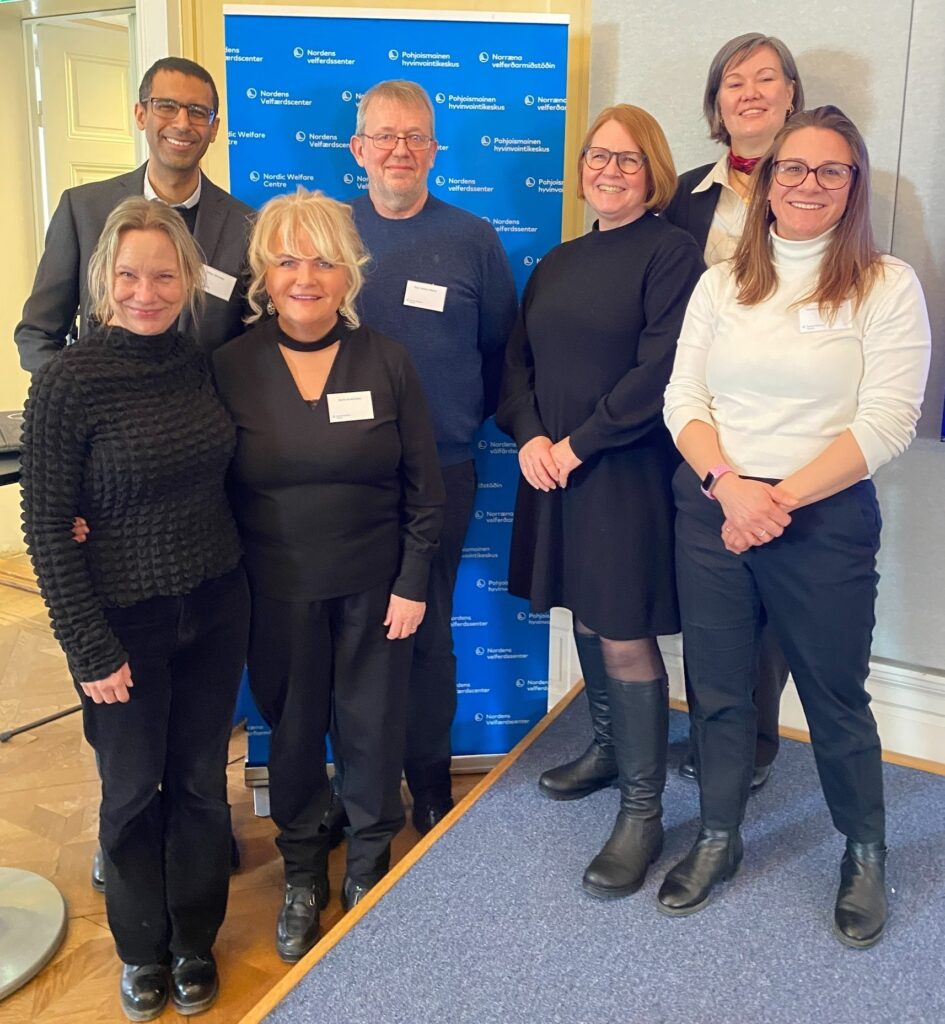
– Funnene våre viser at enslige foreldre, store familier – i hvert fall i Sverige – og familier med migrantbakgrunn og svak tilknytning til arbeidsmarkedet er særlig utsatte grupper i de nordiske landene, sier Debora Pricila Birgier, seniorforsker ved Nordregio.
Fattigdom definert som mangel på deltakelse
Barnefattigdom i Norden er i hovedsak et relativt problem, ikke et uttrykk for mangel på grunnleggende nødvendigheter. Det betyr at familier lever med betydelig mindre ressurser enn majoriteten, noe som setter husholdningsøkonomien under press og begrenser barns muligheter til å delta på lik linje med andre. Konsekvensene kan være økt stress, ustabile boforhold og sosial eksklusjon.
Et sentralt prinsipp i nordisk politikk for sosial bærekraft er å lytte til barn og unge og styrke deres stemme og deltakelse i samfunnet. Rapporten løfter fram barns perspektiver gjennom nordisk forskning og studier fra frivillige organisasjoner, som viser hvordan økonomisk press preger hverdagen. Barn forteller at de unngår å invitere venner hjem, gir opp fritidsaktiviteter for å redusere familiens utgifter, og nedtoner egne behov for å skåne foreldre som allerede står under stort press.
“Jeg ville aldri tatt med venner hjem, fordi det er så flaut at vi har så lite sammenlignet med andre.”
– Sitat fra rapport av Redd Barna, Sverige
Effektive tiltak på plass
De nordiske velferdsstatene bygger på universelle økonomiske ordninger, som barnetrygd, subsidiert barnehage, gratis skolegang og statlige studielån. Historisk sett har disse ordningene bidratt mer til sosial mobilitet enn de målrettede tiltakene som beskrives i rapporten.
– Det er viktig å merke seg at relasjonelle mekanismer bidrar til å forklare hvordan tjenester virker, men de kan ikke erstatte økonomisk trygghet, sier Geir Holtan Møller, seniorforsker ved Telemarksforsking.
Rapporten beskriver og diskuterer fem typer tiltak som har dokumentert effekt på å redusere lav deltakelse og fremme sosial mobilitet blant barn og unge fra lavinntektsfamilier:
- Barnehage og tidlig innsats (ECEC)
- Tiltak i skolen
- Foreldre- og familieveiledning
- Tiltak som fremmer deltakelse i fritidsaktiviteter
- Områdesatsinger
Når han blir bedt om å prioritere tiltak, fremhever Møller betydningen av tidlig innsats:
– Jeg må si at universelle tidlige barndomstiltak i kombinasjon med familieprogrammer er avgjørende, sier Geir Holtan Møller.
Kunnskapshull som må fylles
Forskerne peker på økende politisk oppmerksomhet om barnefattigdom i Norden og lanseringen av flere nye handlingsplaner – noe som kan bane vei for mer effektive tiltak. De sterke skoleresultatene blant barn født i Norden av innvandrerforeldre gir også håp når det gjelder sosial mobilitet. Samtidig viser utviklingen økende ulikhet nederst i inntektsfordelingen. Uten betydelige tiltak for å styrke integrering og adressere strukturelle utfordringer kan de sosioøkonomiske forskjellene fortsette å øke.
Det finnes også kritiske kunnskapshull som må tettes for å utvikle effektive tiltak. For eksempel mangler vi forståelse av:
- årsakssammenhenger mellom lav inntekt og langtidsutfall
- lokale ‘lommer’ av barnefattigdom i kommuner
- strukturelle effekter av kutt i velferdsstaten
– Vi trenger forskning på årsaksforholdene mellom lav inntekt og negative utfall. Å forstå hvorfor fattigdom går i arv i noen grupper, men ikke andre, vil gjøre det mulig å utvikle mer treffsikre tiltak, sier Tone Fløtten, seniorforsker ved Fafo.
En økende gruppe unge kommer heller ikke inn i arbeidsmarkedet. Å forstå hvorfor denne gruppen vokser, bør være en prioritet.
Utfordringer med å overvåke omfang og utvikling
Det er krevende å overvåke barnefattigdom. En hovedutfordring er å samle pålitelige data: svarprosentene i undersøkelser har falt dramatisk fra rundt 90 prosent på 1980‑tallet til bare 10–15 prosent i dag. Fallet tilskrives ofte mer hektiske hverdager og overgangen fra fasttelefon til mobil. Når svarprosentene synker, blir registre, administrative data og indikatorer som AROP stadig viktigere. Selv om disse kildene er stabile over tid, fanger de ikke opp detaljene i barns faktiske levekår – som deltakelsesmuligheter, sosiale relasjoner, opplevelse av tilhørighet og hvilke strategier familier bruker for å få hverdagen til å gå rundt.
Det mangler også detaljerte regionale data. De fleste data samles på nasjonalt nivå, og både nasjonale og lokale gjennomsnitt kan skjule ‘lommer’ av konsentrert fattigdom, der barns hverdagsmiljøer og muligheter er helt annerledes.
– Vi må vite mer om hva som skjer på regionalt nivå, for det er ofte der tiltak settes inn. Uten data kan vi ikke følge opp og se om tiltakene virker, sier Vitor Miranda, Head of Statistics ved Nordregio.
Lanseringen av rapporten markerer også starten på et initiativ for å etablere et nordisk forskningsnettverk med fokus på barn, fattigdom og sosial eksklusjon – et tiltak som kan bidra til å fylle viktige kunnskapshull.
– Vi må komme oss videre fra å bare tolke fattigdom og kombinere robuste målinger med aktiv implementering av tiltak som sikrer at Norden blir verdens beste sted for barn og unge å vokse opp. For å nå dette felles nordiske målet må vi samarbeide om å utvikle sammenlignbar kunnskap, ta i bruk effektive metoder og støtte hverandre i arbeidet, avslutter Merethe Løberg.
***
Artikkelen er basert på webinaret Nordic status report launch on children and youth in families with persistent low income, arrangert 18. februar 2026.


