During the pandemic, schools closed for weeks or months, leisure activities were restricted and children had fewer social contacts. Access to public services deteriorated, affecting learning, well-being and mental health. Information to children often came too late and was difficult to understand.
Children’s participation in crises was the theme of a webinar on 21 October featuring researchers and other experts on children’s rights. All participating organisations also contributed to the new publication launched during the webinar, Participation in times of crisis – a book for children and young people about the right to be heard.
In recent years, the Nordic countries have experienced how crises have arised. The pandemic was followed by a changed security landscape, and we have seen how climate-related events and geological activity can create critical situations here in the Nordic region. The webinar shared experiences from the COVID-19 pandemic, the volcanic eruption in Grindavík and other national examples, showing that children are both rights-holders and an important resource in crisis preparedness.
Child-friendly information initiatives during the pandemic
The safety nets in place were weakened during the pandemic, partly because support services were not operating as normal. The pandemic also revealed a lack of structured mechanisms for involving children in decision-making processes. Youth councils and student councils were not used systematically, even though digital tools could have enabled participation. Children and organisations representing children and young people were also insufficiently represented or consulted where decisions were made.
Information to children often came too late, was difficult to understand or was not adapted to their age, language, disability or different circumstances. Young children and children from minority groups were particularly at risk of not receiving relevant information.
At the same time, several Nordic countries provided good examples of child-friendly information initiatives that worked well. The initiatives are described in full in the publication; here are some examples:
- Information materials were produced to help schools and parents talk to children about COVID-19.
- Regular meetings were held between municipalities and organisations working with children.
- Weekly meetings were held between student organisations and those responsible for education at national level.
- National websites and telephone helplines providing crisis information for young people have been established.
Meeting with more than 300 children in Grindavík
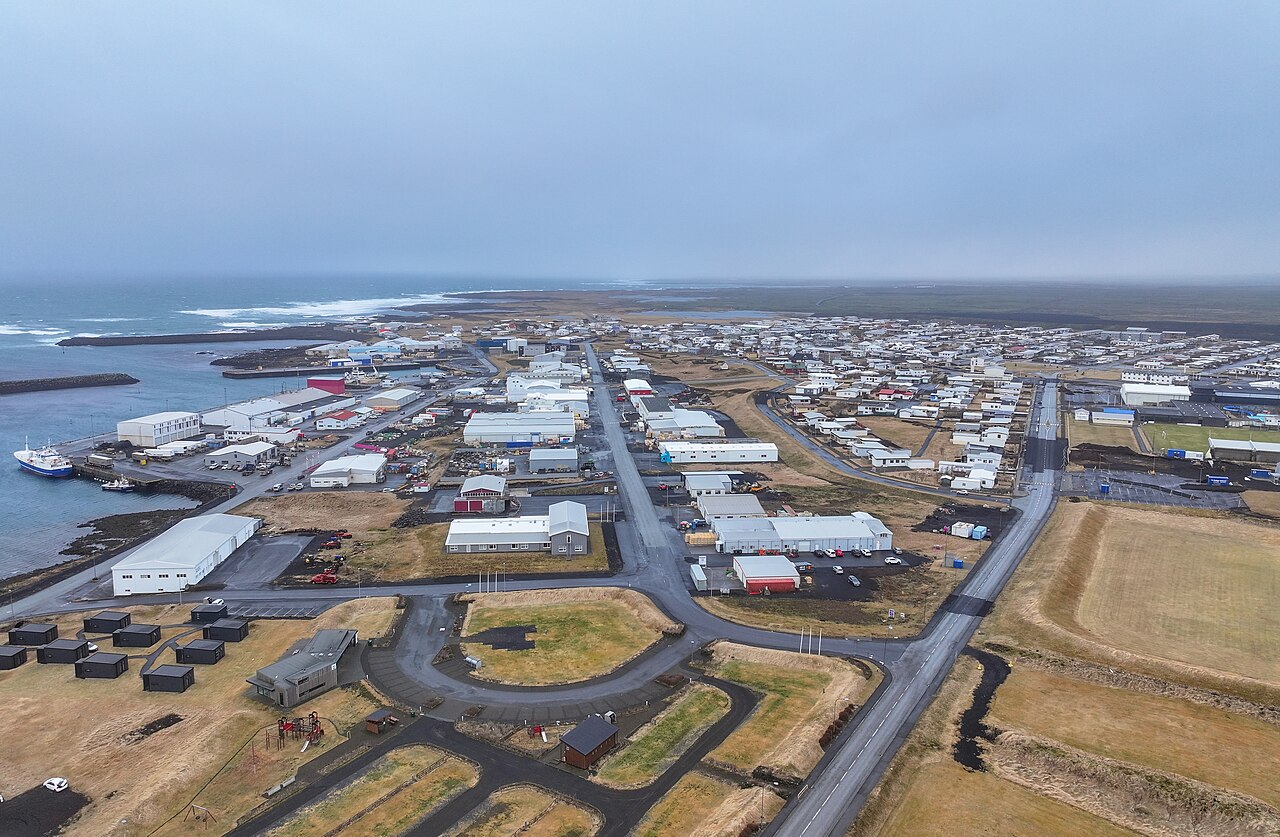
In Iceland, the town of Grindavík was evacuated in November 2023 because of volcanic activity and the risk of an eruption. Children and families were forced to leave their homes at short notice, and many were separated from their schools, friends and local community.
A few months later, the Ombudsman for Children and the municipality organised a meeting attended by more than 300 children aged 6 to 17. The children described feelings of uncertainty and missing their homes, friends, relatives and daily routines. They highlighted the need to maintain friendships, schooling, sport and leisure activities, and called for psychosocial support, more meetings with other children from Grindavík and information aimed specifically at children. They also wanted information meetings where they could ask questions and get answers.

The meeting resulted in a report to the government and municipalities. The experience showed that children’s participation must be included from the outset in preparedness, crisis management and recovery. Authorities need to provide clear, age-appropriate information in good time and explain how children’s views have influenced decisions.
– The crisis in Grindavík, like the COVID-19 pandemic, has taught us that protecting children is not just about ensuring their physical safety. It is also about listening to them, understanding their needs and giving them a genuine opportunity to influence decisions affecting their lives, said Salvör Nordal, Ombudsman for Children in Iceland.
In August this year, the Ombudsperson for Children in Norway published Barnebarometeret, a survey including questions on preparedness. Nearly 1,500 young people aged 14–15 answered questions about different aspects of crises. The results show that 7 in 10 are worried that a crisis will occur, with war and pandemics causing the greatest concern.
– It was clear that war is what children think about most. This is evident from their answers to the question about what worries them, but also from many of the other responses in the survey, said Mina Gerhardsen, Ombudsperson for Children in Norway, who presented the survey.
As in the consultation in Iceland, this survey clearly showed that young people want information about what is happening during a crisis.
What can the Nordic countries do?
Participation means more than asking children for their views. Children must have genuine opportunities to influence matters that affect them.
– This requires gathering children’s perspectives using a range of methods. As we have learnt from Norway, we can use barometers and surveys, or we can consult groups of children, as they did in Iceland. We can also conduct large online surveys involving tens of thousands of children, as we have done in Finland, said Elina Pekkarinen, Ombudsman for Children in Finland.

Experiences from the pandemic led the Nordic children’s ombudspersons to issue a joint declaration: children must not be forgotten in crisis preparedness. Children’s perspectives must be included in all preparedness plans, and established methods and channels for hearing children’s views must be in place before a crisis occurs. Elina Pekkarinen outlined four key requirements:
- Children’s ombudspersons must be involved. Children’s ombudspersons must participate in the planning, decision-making and evaluation of measures affecting children.
- Continuity in everyday life must be protected. As far as possible, children must have access to education, play, leisure activities, routines and social relationships.
- Children’s rights must be upheld. Children must be protected from harm and have access to essential services, understandable information and meaningful opportunities to express their views and influence decisions.
- The impact on children must be assessed systematically. Authorities must analyse how decisions affect children’s lives and whether they genuinely serve the best interests of all children.
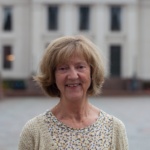
Kirsten Sandberg, Professor Emerita at the University of Oslo and former Chair of the UN Committee on the Rights of the Child, recommends that the Nordic Council of Ministers develop a common Nordic framework for children’s rights in crisis situations. The framework should include a joint declaration, shared tools, research and a Nordic forum for exchanging experiences of good or promising practices. She also emphasises that the same measures do not work for everyone: some groups of children need targeted support.
– This applies to children with disabilities and children living in families experiencing financial hardship. They must receive specific, targeted support, as they otherwise risk being marginalised. It also applies to children with disabilities and children who speak a language other than the majority language: they need specific support to make their voices heard, said Kirsten Sandberg.
The publication Participation in times of crisis – a book for children and young people about the right to be heard is available in Danish, Finnish, Greenlandic, Icelandic, Norwegian and Swedish, and is aimed at children and professionals working with children. Hopefully it will support future efforts to develop children’s participation in the event of a crisis.
Background
- Article 12 of the UN Convention on the Rights of the Child, states that children have the right to express their views and have them given due weight in accordance with their age and maturity. This right applies to decisions on policies, legislation and other measures affecting children.
-
From 2021 to 2025, the Nordic Welfare Centre led the project Nordic co-operation on children’s and young people’s opportunities for participation and development after the COVID-19 pandemic
- The child-friendly report presented is based on the report Participation is protection – Embedding children’s rights in Nordic crisis governance, produced last year by the Nordic Welfare Centre together with the children’s ombudspersons in the Nordic countries.
This article is based on a webinar held on 21 October 2026. A recording of the webinar will be published shortly.
Related news

Young people and digital media: Too much focus on protection, too little on influence
Inequities in services and gaps in support for expectant parents and families with young children