A platform for co-operation between the Nordic countries in the area of social affairs and public health.
The Nordic Welfare Centre creates meeting places, gathers expertise, builds networks, communicates knowledge and experience through good practice examples and provides recommendations to decision-makers – while acting as a bridge between research and practice.
Our work
The Nordic Welfare Centre creates meeting places, gathers expertise, builds networks, communicates knowledge and experience through good practice examples and provides recommendations to decision-makers – while acting as a bridge between research and practice.
As the welfare systems in the Nordic countries share many similarities, there is a lot we can learn from each other. Can your Nordic neighbor learn from what another country has done to respond to a challenge? If so, the Nordic Welfare Centre strives to share that information and inspire others to take on challenges and find solutions. In this way, the Nordic Welfare Centre conveys knowledge while offering concrete tools to take action.
Our results are used to inform policy decisions at the national, regional and local level in Denmark, Finland, the Faroe Islands, Greenland, Iceland, Norway, Sweden and Åland.
Some examples from our 2025 knowledge sharing efforts
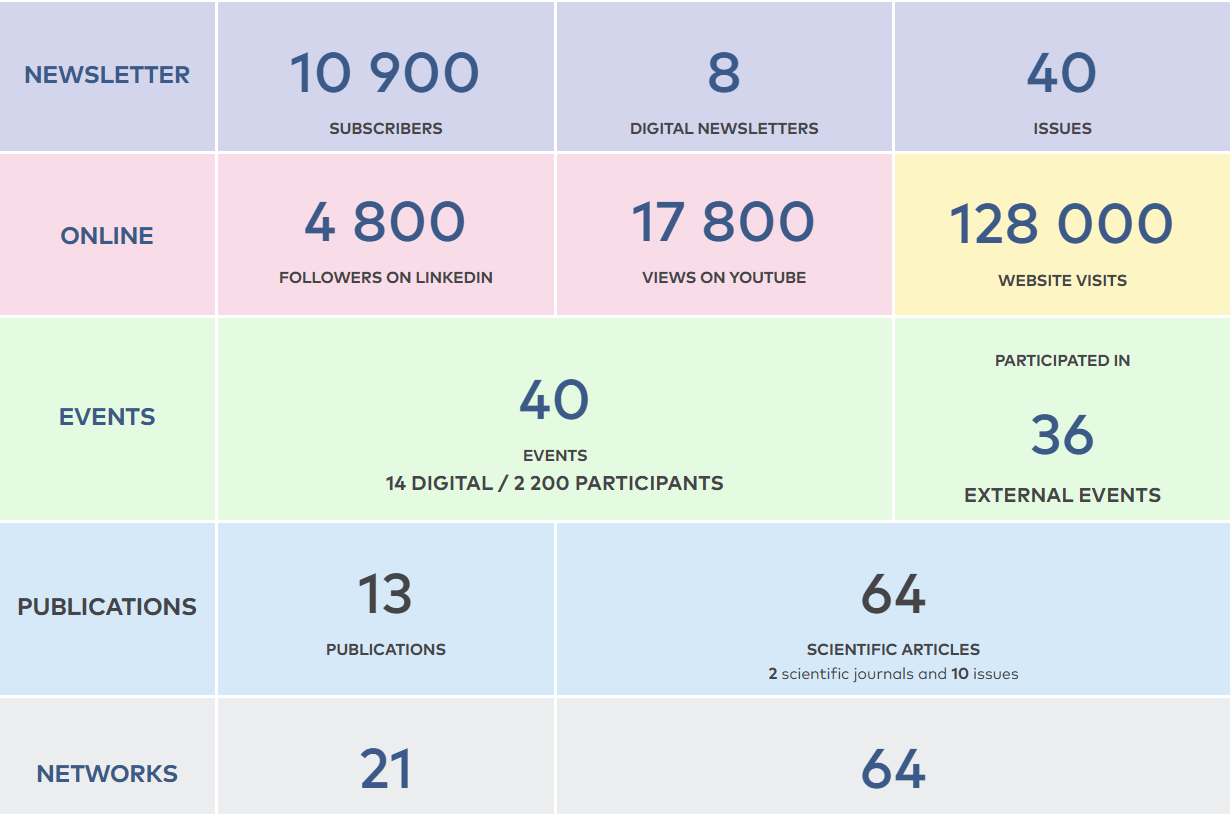
Our activities in 2025
Find out more about our work in a digital summary of our annual report in English. You can find a full text version of the annual report in Scandinavian languages further down this page.
Vision for a sustainable Nordic region
In August 2019, the Nordic prime ministers decided that the Nordic region should become the world’s most sustainable and integrated region. This resulted in Vision 2030, which is to be realised through three strategic priorities: a green Nordic region, a competitive Nordic region and a socially sustainabls.e Nordic region. The Nordic Council of Ministers’ action plan is based on the vision’s three strategic priorities and twelve objectives.
The 14 co-operation programmes
The Nordic Council of Ministers’ 14 sectoral co-operation programmes, with a shared focus, clear priorities and targeted initiatives, will guide intergovernmental co-operation within the Nordic Council of Ministers until 2030.