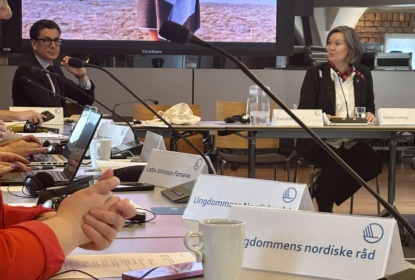
Both the public debate and research on children, young people and digital media in the Nordic countries tend to focus on risks such as excessive screen time, harmful content and measures such as age limits for social media. Far less attention is paid to how children and young people can use digital media to participate in democracy online and make their voices heard. Experts agree that a broader perspective is needed, one that gives children and young people genuine opportunities to participate, influence decisions and exercise their democratic rights online. This message was clear in the discussions held at democracy festivals in Denmark, Finland and Norway this summer.
The discussions were based on preliminary findings from two forthcoming reports by the Nordic Welfare Centre, that will be launched on 2 December. The researchers behind the reports argue that children and young people should be recognised as democratic actors, not merely as individuals in need of protection in digital environments.
– Children have the right to protection, but they also have the right to be heard. The right to protection must be balanced against the rights to participation and freedom of expression, particularly in matters that affect children and young people, said Niamh Ní Bhroin, researcher and co-author of one of the reports, during a presentation at a seminar in Arendal.
Age limits only part of the solution
A few weeks ago, the EU presented plans to prohibit social media platforms from targeting children under the age of 13 and to restrict access to social media for young people under 15. The proposed legislation also requires all digital services to incorporate safety by design features into their default settings. The experts who took part in the panel discussion in Arendal called for stronger regulation and argued that age limits can be part of the solution, but not the whole solution. Age limits do not address the underlying problems of algorithms and manipulative design.
The discussion at SuomiAreena focused, among other things, on preventing digital risks, the importance of media literacy, and how young people’s own voices can be included in efforts to build a safer digital democracy. Age limits were also discussed. Aarre Okkonen, a student who took part in the discussion, expressed a similar view, emphasising that social media serves an important social function.
– Simply banning mobile phones for all 15- and 16-year-olds will not solve anything. Different forms of social exclusion and similar problems that have always existed will remain. In fact, social media has made a positive contribution by providing a space where young people can socialise and form social connections, said Aarre Okkonen.
Digital literacy and clear regulation
Digital democracy is about both having access to information and content and being able to create and share digital content oneself, with other young people, adults and, for example, public authorities. Young people should not only be heard; they should also have genuine opportunities to influence political decision-making. However, they must also be equipped with the necessary knowledge and digital literacy skills. One of the participants in the discussion at Arendalsuka was Mari Velsand, Director of the Norwegian Media Authority (Medietilsynet).
– I agree with the conclusion presented here today: digital literacy must be combined with clear regulation. Perhaps our most important point in this debate is that it is not a matter of choosing one over the other. We need both, said Mari Velsand.
It is not a matter of choosing one over the other.
We need both.
In the discussion at SuomiAreena, researcher Sirkku Kotilainen from Tampere University, who leads the research team behind the forthcoming reports, took part. One of the reports is based on consultations with young people. The respondents argue that too much responsibility for managing the risks they encounter online is placed on the individual.
– The study shows that responsibility for digital risks is often placed on children and their families, even though the platforms are driven by commercial interests and algorithms beyond their control, said Sirkku Kotilainen.
A key issue raised by researchers, other experts and young people alike is the responsibility of digital platforms and the need for a combination of soft and hard regulatory measures. This was also discussed during the debate at Folkemødet, where the view was supported by the Danish Youth Council (DUF).
– It is important for young people to develop a stronger understanding of digital media, how algorithms operate and critical media literacy. However, there is also a need for various forms of regulation, aimed both at platforms and at users, said Nicolas Fromsejer, DUF.
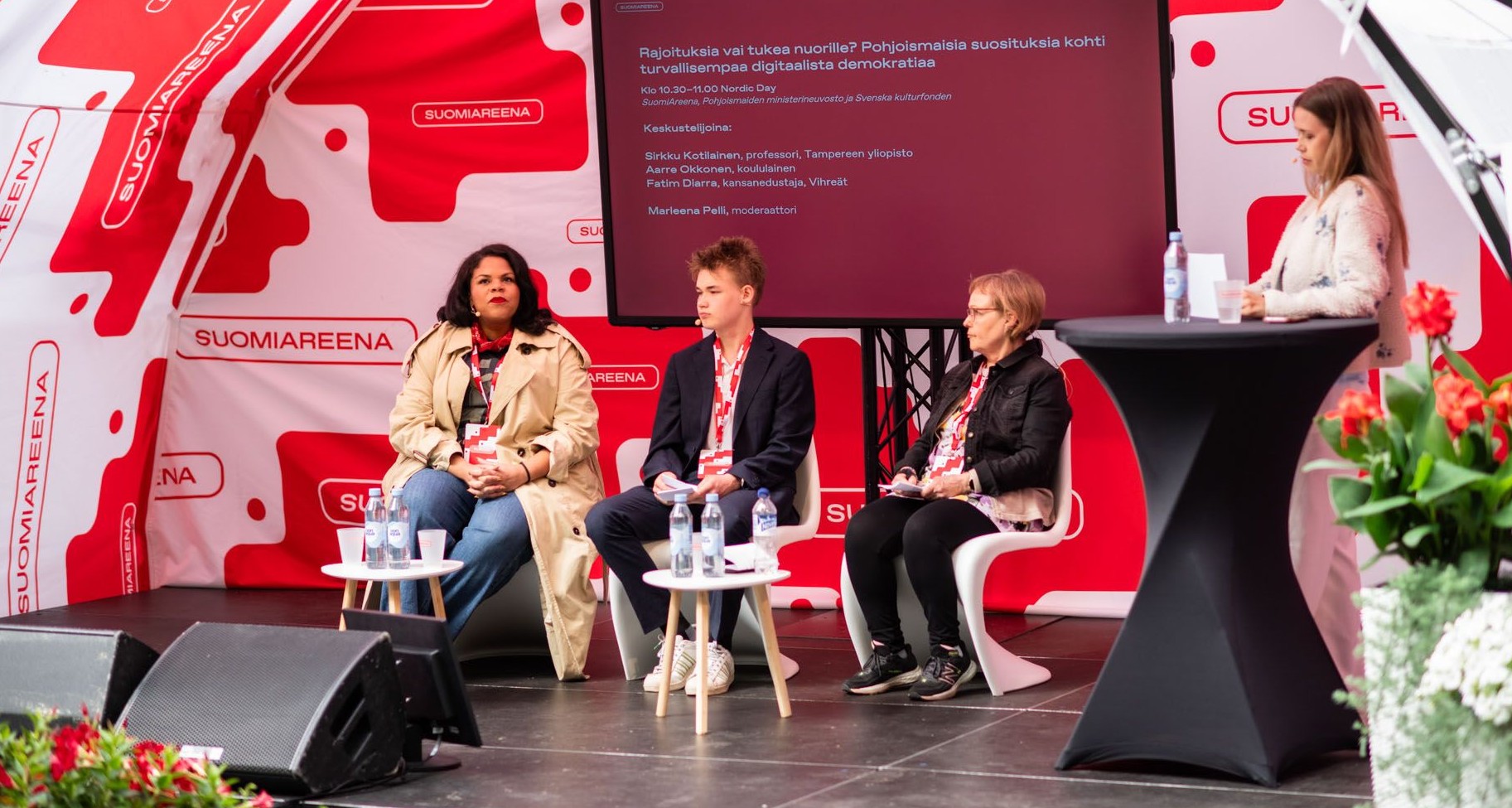 At SuomiAreena, Sirkku Kotilainen (right) from Tampere University, co-author of the report, took part in a discussion with Fatim Diarra, Member of Parliament, and Aarre Okkonen, a student. Photo: Laura Karlin/norden.org.
Knowledge is required on how digital participation can be strengthened
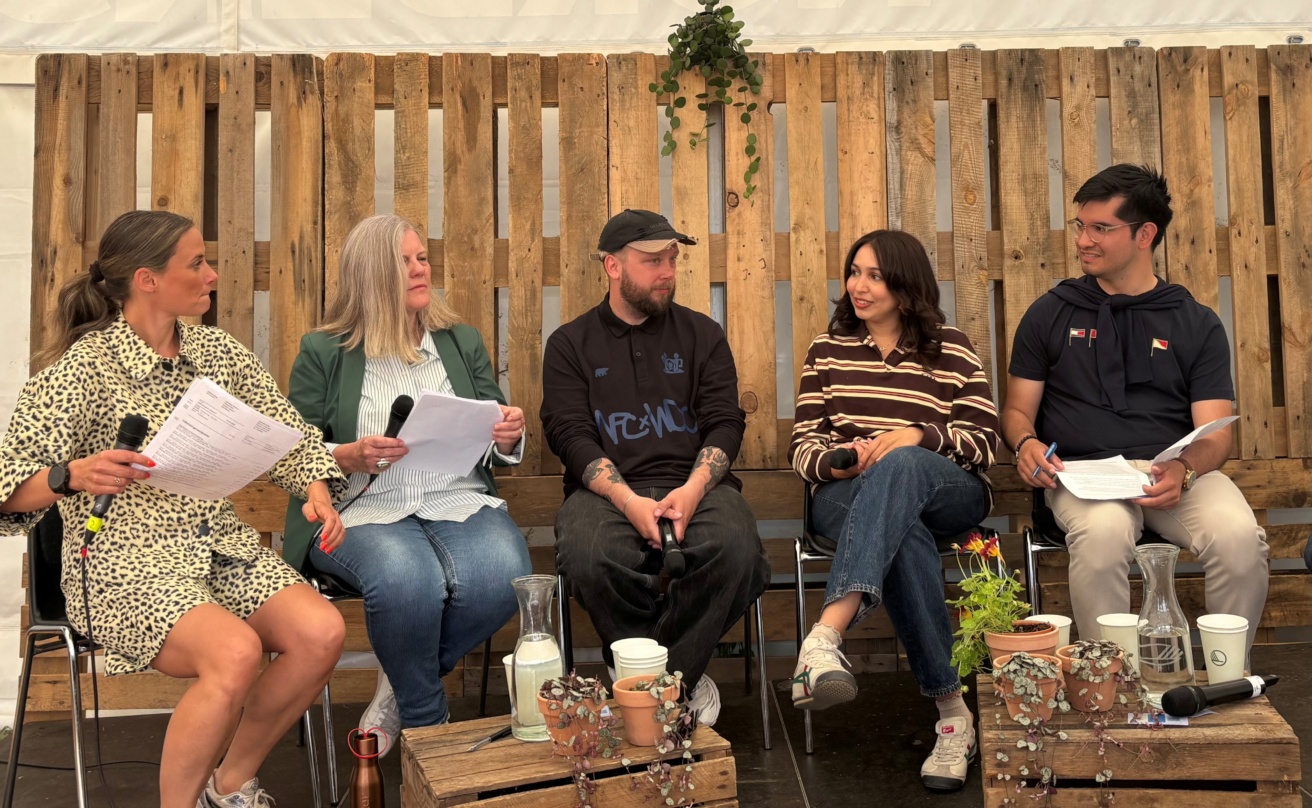
Gitte Stald from the IT University of Copenhagen, Danish representative in the project, also took part in the discussion at Folkemødet in Denmark. The discussion, which brought together representatives from research, e-sports, civil society and the tech sector, highlighted the need to challenge and develop democracy through the ways in which young people are already engaging today.
– Children and young people need to understand that what they do in their everyday lives, whether in their football club, at school, or elsewhere, is part of politics and democratic processes. We need to find new ways of talking about what debate, politics and democracy mean today, and better articulate and develop the digital opportunities for participation, said Gitte Stald.
The aim of the project, commissioned by the Nordic Council of Ministers and led by the Nordic Welfare Centre, is to develop joint Nordic recommendations for a safer digital democracy for children and young people. The recommendations will be presented in spring 2027.
– Young people and digital media is an area that is very well suited for Nordic co-operation. Although the Nordic countries may approach the discussion from slightly different perspectives. Different solutions may be chosen but our societies share many fundamental similarities. That creates a strong foundation for more in-depth analysis and policy development, said Samuel Engblom, director att Nordic Welfare Centre, in Arendal.
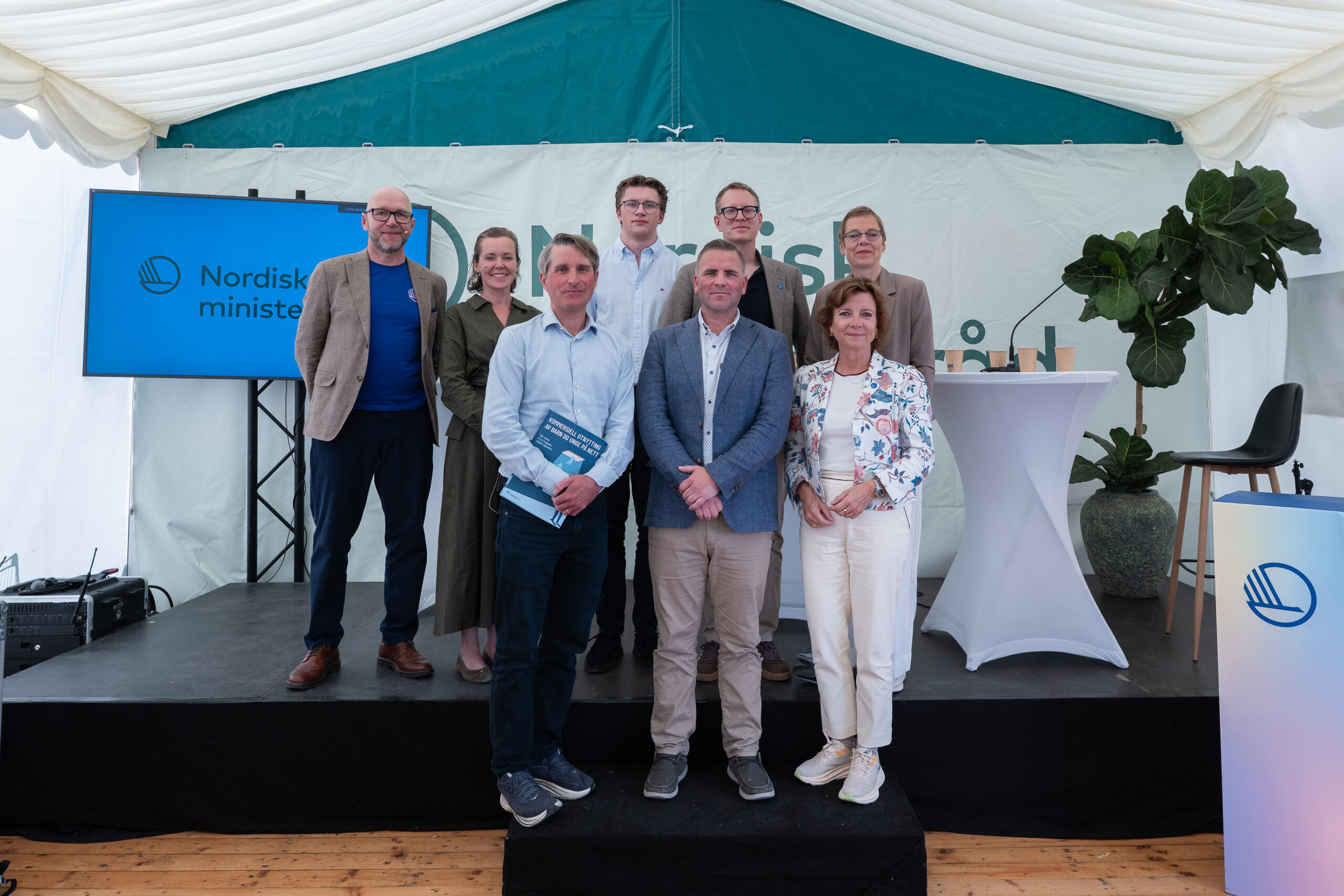
Digital media were also discussed during a debate on young people, trust and democracy organised by the Nordic Council of Ministers during Almedalsveckan. The discussion was also broadcast on SVT Forum. Watch the recording here (in Swedish).
Videomaterial
Watch the recording of the discussion at SuomiAreena on mtv.fi (in Finnish)
Watch the recording from Arendalsuka (in Scandinavian languages)
Top image: The first discussion on a safer digital democracy took place at Folkemødet on Bornholm on 13 June. Pictured are Sofie Østergaard (moderator), Gitte Stald, IT University of Copenhagen (ITU), Oluf Valdemar Nielsen, E-sport Denmark, Nermeen Louizi Ghoniem, Hello Ada, and Nicolas Ditlev Fromsejer, Danish Youth Council (DUF).
Related news
Inequities in services and gaps in support for expectant parents and families with young children
Nordic Children’s Ombudspersons: Children must not be forgotten in crisis preparedness