
Freydís Jóna Freysteinsdóttir
Today Freydís is a professor at the department of social work, school of social sciences at the University of Iceland.
Right now she and a Finnish colleuge are finishing revising an article about care leavers in the nordic countries, who have experienced homelessness or risk of homelessness. They have explored their experience of transitions and rootlessness. The next project she will work on is a book chapter she has been asked to write, about marriages in Iceland. The book is planned to be published in a World marriage handbook.
What has the journal Nordic Welfare Research meant for you?
- I think that the Nordic Welfare Research is an important journal, since it has the Nordic focus in social and welfare research which is very important. In my opinion, Nordic Welfare Research is a journal of high quality.
- I think that the Nordic Welfare Research is an important journal, since it has the Nordic focus in social and welfare research which is very important. In my opinion, Nordic Welfare Research is a journal of high quality.
9. The lived experiences of former foster care children in Iceland
Vol.10, Iss.3 | pp 1–17 | 8 September 2025 | https://doi.org/10.18261/nwr.10.3.4
Abstract
This study aimed to illuminate the experiences of former foster care children in Iceland through both quantitative and qualitative methods. Participants aged 20 to 25 completed a questionnaire, with responses from 71 individuals yielding a 38% response rate. Additionally, ten in-depth interviews were conducted with individuals aged 18 to 77 who had experienced foster care or alternative placements during childhood. The findings revealed significant educational disparities: former foster youth were less likely to complete secondary education, apprenticeships, or higher education compared to their peers. Furthermore, a markedly higher proportion were reliant on disability benefits or financial assistance than the general population in the same age bracket. Mental health challenges were prevalent among participants, with many experiencing psychiatric issues during their time in foster care and later in life. A substantial number had contemplated or attempted suicide. Interestingly, fewer than half reported receiving adequate support while in foster care. Qualitative insights indicated that many participants had endured severe maltreatment and difficult circumstances before entering foster care. They also expressed concerns about a lack of information regarding their foster families. The overall experience of foster care varied based on factors like adaptation to the foster home, relationships with foster parents, and the quality of professional supervision and support. This research highlights critical areas for improvement in the foster care system, aiming to enhance the lives of future foster care children in Iceland by addressing the challenges identified in the study.
Introduction
Care leavers are at a disadvantage concerning various social issues and health issues (Kääriälä & Hiilamo, 2017). They have usually suffered from maltreatment and trauma in their childhood and have been removed from their home before being placed in foster care (Miller-Perrin et al., 2021). Many of them also have had to leave care as young adults without sufficient support (Daly, 2012).
Young adulthood is a demanding life stage that requires various transitions. The tasks of early adulthood in the life cycle include gaining independence as an adult and being able to manage a household, holding a job, and forming relationships with other adults, including with a partner. These roles can be disrupted when there is insufficient parental support (Fulmer, 2016). Thus, risk factors such as maltreatment in childhood (Miller-Perrin et al., 2021) can influence a later stage in the life cycle such as young adulthood (McGoldrick et al., 2016).
The issue of care leavers has undergone very little research in Iceland. Due to the lack of studies in this area in Iceland, the UN committee on the rights of the child has twice demanded that studies be conducted on care leavers in Iceland (Umboðsmaður barna, 2020). The Ministry of Education and Children asked the principal author of this study to conduct it, and provided the financial support to do so. Given the lack of previous studies, we wanted to look at the situation for care leavers in Iceland. The research questions in this study were the following: 1) What are the lived experiences of care leavers of child protection interventions and their time in foster care? 2) How do former foster care children fare in their adult lives following the end of foster care?
First, studies on care leavers conducted in other Nordic countries will be discussed. Following this, studies on care leavers from other countries will be examined. Then studies on care leavers in Iceland will be discussed, before concluding with a discussion of the child protection system in Iceland.
Previous research
Nordic studies on care leavers
Nordic studies have shown that even though children in the Nordic countries do enjoy a high level of welfare, care leavers are at a disadvantage in many areas in their adult lives compared to the general public (Kääriälä & Hiilamo, 2017).
Care leavers face disadvantages
In the Scandinavian countries, previous studies have shown that care leavers face various types of disadvantages compared to others (Fylkesnes et al., 2021; Kääriälä & Hiilamo, 2017; Vinnerljung et al., 2006; Vinnerljung et al., 2015). Even though the degree of welfare is generally high in the Nordic countries, care leavers have been shown to be in a worse position on average than the general population, even after adjusting for various factors, such as demographics, social factors and psychiatric factors related to their biological parents. The position of boys is worse than for girls. Furthermore, those who entered care in their teenage years are in a worse position than those who entered foster care earlier. The type of care seems to matter. Children who have been in foster care attain higher educational and employment positions compared to children who have been in institutional care. The support that they receive as adults from the welfare system following foster care has a positive influence on their positions in adulthood (Kääriälä & Hiilamo, 2017). Care leavers in Norway wished they had had more involvement and consultation regarding their cases (Fylkesnes et al., 2021).
Care leavers, low academic performance, and consequences
Recent studies in the Nordic countries indicate that poor academic performance in childhood among foster care children might be one of the factors causing misfortune later in life (Forsman et al., 2016). Such studies have shown that poor school performance in childhood among care leavers is related to health problems as well as social and economic problems in adulthood (Kääriälä & Hiilamo, 2017). This has been interpreted to be a result of difficulties in education that lead to them attaining lower educational levels and fewer employment possibilities in society (Vinnerljung et al., 2015). Care leavers are more likely to have lower education (Laxdal & Freysteinsdóttir, 2023; Vinnerljung et al., 2015), to be unemployed, and to receive financial benefits or disability benefits (Kääriälä & Hiilamo, 2017). In addition, they are more likely to have lower income compared to those who have not been in foster care (Kääriälä & Hiilamo, 2017; Laxdal & Freysteinsdóttir, 2023). Results of studies that have been conducted in the Nordic countries have shown that about 10% of care leavers accept disability benefits, which can be traced to unequal educational opportunities and lower educational levels than among the general public. In comparison, only 2% of the general public receive disability benefits (Vinnerljung et al., 2015).
Care leavers in the Nordic countries generally have lower grades when graduating from elementary school compared to their peers. Moreover, they have been found to be more likely to finish only required education compared to their peers (Kääriälä & Hiilamo, 2017; Vinnerljung & Hjern, 2011).
Furthermore, low academic position is believed to be a high-risk factor among care leavers for various problems (Vinnerljung & Hjern, 2011), such as criminal behavior (Vinnerljung & Hjern, 2011). It has been shown that there is a correlation between low grades in school and crime rate among care leavers in young adulthood (Berlin et al., 2011).
Care leavers and risk behavior
Care leavers are more likely to engage in risk behavior than their peers (Vinnerljung et al., 2005). One study that was conducted in Sweden showed that over a third of young male care leavers had shown criminal behavior compared to 5% of their peers (Berlin et al., 2011). Other risk behaviors care leavers are more likely to engage in are, for example, drug abuse, self-harm behavior, and giving birth during their teenage years (Vinnerljung et al., 2005). It has been shown that care leavers in Finland and Sweden are more likely to become parents as teenagers than their peers. Non-prosperous educational outcomes have been shown to be a high-risk factor and thus increase the possibility of becoming a parent as a teenager (Brännström et al., 2016).
Care leavers and mental health
Both physical and mental health is likely to be of a lower quality among care leavers than among others (Vinnerljung et al., 2005). Moreover, a relation has been found between foster care arrangement and suicidal behavior (Kääriälä & Hiilamo, 2017). Repeated placements and rootlessness in foster care can lead to an increased suicidal risk for children in foster care (Taussig et al., 2014).
Studies from other countries on care leavers
Studies from abroad have shown that the transformation following foster care can be difficult for foster care children, since they need to grow up and become adults rather quickly and are usually less prepared for adulthood than their peers (Greiner & Beal, 2017). Former foster care children usually do not have access to the same support as their peers who have been raised by their parents. Thus, they need a sufficient plan and both practical and emotional support (Daly, 2012). This preparation is often insufficient, since they experience too little involvement as well as a lack of information about their foster family and the reasons for their placement (McTavish et al., 2022).
Children in foster care are seven times more likely to have experienced emotional, physical and/or sexual abuse compared to their peers (Stewart et al., 2023). Children who live in the context of poverty and low socioeconomic background are many times more likely to be maltreated than other children (Miller-Perrin et al., 2021).
In addition, foster care children have pointed out that repeated moves cause rootlessness and have a negative influence on their educational opportunities. They believe that it makes it difficult for them to keep up in their studies (Strolin-Goltzman et al., 2016). As has been noted earlier, poor academic performance can increase the likelihood of bad outcomes later in life among care leavers (Forsman et al., 2016). Furthermore, studies have also shown that repeated school changes influence emotional well-being negatively, which can lead to behavior problems and difficulties concentrating on projects in school (Townsend et al., 2020).
Many children who are in foster care have experienced repeated trauma and therefore they can develop complex post-traumatic stress disorder (PTSD), which can be traced to the circumstances with their primary caregivers in their childhood. Such experience is likely to influence the child deeply in various areas during childhood (Greeson et al., 2011). Children who have been maltreated and are in foster care are more likely to have diagnosis of serious depression, PTSD, behavior disorders and attachment disorder (Engler et al., 2022; Regier et al., 2013).
As previously noted, children in foster care show significantly more serious psychiatric problems than others. Such symptoms can include anxiety, demanding thought patterns, communication problems and risk behavior. Moreover, suicidal behavior is more common in this group, as has been noted earlier (Stewart et al., 2023). Studies have shown that each time a child moves into a new home, the risk of suicidal behavior increases 68% (Taussig et al., 2014).
Former studies on care leavers in Iceland
As can be seen in this overview, a number of studies have been conducted in the other Nordic countries as well as abroad. However, studies on young people’s transitions from care in Iceland are sparse. Only a few studies have focused on this issue. Before this study was conducted, one recent quantitative study had been conducted using a convenience sample. That study showed that many care leavers were encountering challenges regarding educational achievements, employment prospects, and housing. The majority of the participants had experienced psychiatric problems such as depression and anxiety. It may be possible to trace such psychiatric problems to insecure attachments in their early childhood, interrupted attachment when they were moved to a different home, or genetic factors. In addition, many of the participants had suffered from an eating disorder and/or alcohol or drug abuse problem. Furthermore, over 80% of the participants had experienced suicidal thoughts or had attempted suicide. Moreover, over 80% had needed and received professional assistance due to psychiatric problems following foster care (Laxdal & Freysteinsdóttir, 2023).
Another study was conducted over two decades ago. That study was qualitative with the purpose of exploring the experience of care leavers. Prior to that, the few studies that did exist did not include the perspectives of the foster care children themselves or care leavers. The results of that study showed that most of the participants thought that the foster care arrangements had been necessary, but that child protection services had been distant in their childhood, with limited access to professionals and no regular visits by child protection workers while they were in foster care (Kristinsdóttir, 2004). These results are similar to the findings of the more recent study mentioned above that showed that visits by child protection workers were scarce (Laxdal & Freysteinsdóttir, 2023).
The Icelandic welfare and child protection system
The Icelandic welfare system provides support and benefits to the citizens, such as parental leave, public play schools, public health care and housing allowance, but the support and benefits are not as generous as in the other Nordic countries (Ólafsson, 1990, 1999).
Iceland’s first specific child protection laws were passed nearly a century ago (Lög um barnavernd nr. 43/1932). They were based on the Norwegian child protection laws (Haugen, 2004). Before that there were few child protection clauses in various laws in Iceland. Recently, laws passed that emphasize early intervention to increase prosperity among children (Lög um samþætta þjónustu í þágu farsældar barna, 2021). These laws are likely to prevent child maltreatment since they emphasize early intervention (Miller-Perrin et al., 2021).
The child protection system in Iceland operates under specific laws and under the Ministry of Education and Children. Part of the system is run by the municipalities and service areas that different smaller municipalities operate. There are committees that operate in the municipalities where cases may be taken for certain decisions, such as if a child needs to be removed from the home. The child protection service areas receive child protection reports regarding either child maltreatment or risk behavior among children. The child protection services in the municipalities/service areas investigate cases following reports and make plans that include supportive services for a particular time with families when needed, following the investigations, with the purpose of changing the situation of the children involved so they will be sufficient, if children have been maltreated. That is only possible if the parental figures are willing to participate and cooperate with child protection services. If the parental figures are not willing to cooperate with the child protection services, a plan might be conducted without parental consent. Child protection interventions can be maintained after a child has turned 18 up to 20 years of age (Barnaverndarlög nr. 80/2002).
Part of the child protection services are operated on a country level through a governmental institution on child protection and families. That institution gathers information from the municipalities and service areas about the number of child protection reports and types of maltreatment and risk behavior (Barnaverndarlög nr. 80/2002). That institution also runs specific supportive treatment services, such as multisystem therapy (MST), group homes and foster parents. Service areas need to apply for such interventions. Those who wish to apply to be foster parents are required to attend a workshop at that institution and go through evaluation to see if they are fit to be foster parents (Barna- og fjölskyldustofa, n.d.). Applications from child protection services at the municipality level for foster care placements ranged from 141 to 165 per year in 2020–2023. Most of these applications were for temporary placements. Applications for long-term placements ranged from 9 to 41 per year during those years (Barna- og fjölskyldustofa, 2024).
As previously noted, the aim of this study was to explore the living experience of care leavers in Iceland, both in terms of how they were doing in a variety of practical issues, such as education, employment and housing, and also to explore their experiences of care and child protection.
Method
The participants in this study were former foster care children. According to the Icelandic child protection laws, children can be in long-term foster care until they reach adulthood at 18 years of age, but that can be extended until they are 20 years of age (Barnaverndarlög, 2002). There are no general formal structures or processes in place regarding transitions out of foster care.
Design
This study has both a quantitative and a qualitative component (Rubin & Babbie, 2005). The idea was to gain information about various factors regarding this group, but also to gain insight into the group’s lived experiences. In the quantitative part, there were questions about backgrounds, experiences of child protection services, their time in foster care, and the participants’ status in adulthood. However, in the qualitative part of the study, the participants provided insights into their lived experiences of the time prior to, during, and following foster care.
Procedure
The quantitative part of the study: This study was conducted in 2023 following a request from the Ministry of Education and Children, as noted earlier. Permission for the study was received from the Data Protection Authority (no. 2023061064). Special permission was received for access to a list of names from the governmental Institute of Children and Families of former foster care children dating back to 1995. The researchers signed a declaration before they received access to that list from the institute. The list included names and social security numbers, including birthdates of all individuals (the population) 20–25 years of age when the study was conducted. The participants were young adults who had been in foster care in either the long or the short term; the minimum time in foster care is three months (Barnaverndarlög, 2002). These names included former foster care children who had been placed into foster care through child protection services in Iceland during their childhood or their teenage years. The list included 230 names. Unfortunately, it was not possible to contact 49 through a phone or social media, and one individual had died. In order to try to reach all care leavers, it was decided to send an information letter by mail to all care leavers with a registered home address and ask them to participate. The letters were sent to 217 individuals who had registered addresses. Of those 217 letters, 30 letters were returned to the sender, leaving 187 individuals.
The letter included a link to an electrical questionnaire and an information letter describing the study, as well as a note outlining that by answering the questionnaire the participants were agreeing to participate. Information was given about the anonymous nature of the study, that individual answers could not be traced to individual participants, and that participants were free to skip any question without explanation or to stop participating at any time.
The qualitative part of the study: Two participants in the quantitative part of the study expressed interest in participating in the qualitative part of the study. The snowball sampling method was tried from those two participants, by asking them if they could point us toward other participants. This method can be particularly beneficial when participants are difficult to reach. Unfortunately, it did not work. Thus, it was decided to prepare an advertisement and put it on social media. It was an open advertisement that people were asked to forward. The purpose of the study was described and what participation would entail. Participants would need to be at least 18 years of age and have experienced being placed out of home during childhood or in their teenage years for an extensive period of time. Thus, the sampling method in the qualitative part was volunteer sampling (Blöndal & Halldórsdóttir, 2021). The interviews were conducted in a special meeting room that had been rented for the interviews. Six of them were conducted in person, but four of them were held online since those participants lived in the countryside or abroad. All participants in the qualitative part provided informed consent prior to the interviews.
Participants
The quantitative part of the study: The results of the quantitative part of the study are based on answers from 71 individuals who participated in the study by answering the questionnaire, thus the response rate turned out to be 38%. The participants were in the age range of 20–25 years and had the common experience of having been in foster care as children or teenagers. The participants had either been in long-term foster care, in short-term foster care, where the intention was that the child returned to the parent(s) (Reglugerð um fóstur nr. 804/2004), or in sponsored foster care. Of the 71 participants, 56% were women, 42% men and 1% marked “other.” Of the 69 participants who answered the question about their age, most of them (32%) were 21 years of age, but they were all in the age range of 20–25 years. More than half of the participants were single (52%), 21% were cohabiting, and 27% had a partner without cohabiting.
The qualitative part of the study: Ten individuals (six women and four men) participated in the qualitative part of the study. That part consisted of interviews with those individuals, who turned out to be in the age range of 18 to 77 at the time the interviews were conducted in 2023. Since the age range of the participants in the qualitative part of the study was large, it is important to bear in mind that the time when they were placed in care might have influenced their experiences. The Icelandic care system has indeed changed over the decades, with, for example, greater demands made of foster parents. However, all the participants left care at a similar age. There is a difference in the age ranges in the quantitative and qualitative data. Because of this, the results of the qualitative part of this study reflect a broader population than the results of the quantitative part of the study. In and of itself this does not, however, affect the validity of the results (Rubin & Babbie, 2005).
Measures and data
The quantitative part of the study: The questionnaire used in the quantitative part of the study was based on a questionnaire that had been previously created by one of the authors of this study and revised by another author, but few changes were made and few questions added by the other authors. The questionnaire consisted of 72 questions concerning background, experience of child protection services, the time in foster care and the status in adulthood. Examples of questions are as follows: What is your educational background? (background); Would you have wanted to gain more information about the foster family before you entered foster care? (experiences of child protection services); Was there someone at home when you came from school and asked you about your day and talked to you when you were in foster care? (the time in foster care); Have you been in prison since the foster care ended? (status in adulthood). The questions were analyzed using SPSS software with mainly descriptive statistics (Rubin & Babbie, 2005).
The qualitative part of the study: Interviews were conducted in the qualitative part of the study. An interview guide was created by one of the authors of this study and revised by another author, and concerned the time before, during and following foster care. The same questions were used for all participants, even though there was a large gap in the age range among them. The interview guide consisted of 29 questions in five sections. Examples of questions are the following: Marital status (background); Did your parents have any kind of problems such as alcohol or drug abuse problems? (childhood); Do you remember what kind of interventions took place? (child protection services); Were you asked about your opinion/did you feel like you were listened to? (a decision regarding placement in foster care); Was there any supervision with the foster care arrangement? Did you feel like you could contact a child protection worker if something came up? (foster care). A thematic analysis was conducted (Rubin & Babbie, 2005).
Results
The following themes are described in this section. First, participants’ experiences before care are described. Next, their experiences of child protection services and time in foster care are described. Finally, the status of the group in adulthood is described. Each theme is described in a subsection that includes the results of both the quantitative and the qualitative part of the study. The qualitative interviews shed light on the experiences of the participants regarding issues and themes in the quantitative study.
Experience before care
Prior to foster care placement, the participants who took part in the qualitative part of the study had been abused, neglected, exposed to alcohol and/or drug abuse, and/or had parents with psychiatric problems. They described sudden trauma as well. A young man described the circumstances in his home prior to the foster care placement: “When he [father] was drunk, he could get very angry and mean, so he broke dishes and the like, and you know, various things could fly on the walls.” His father committed suicide when he was six years old. Following that incident, his mother’s alcohol and drug abuse increased. He described emotional and educational neglect as well as emotional and physical abuse by his mother.
Time in foster care and experience with child protection services
Two-thirds of the participants (66%) had been in long-term foster care until they were 18 years of age or older. Only 10% had been in short-term foster care; another 10% entered supportive foster care. More than half of all the participants (51%) received an extension and stayed in foster care until they were 20 years of age; an additional 14% received an extension but left care before they reached the age of 20. Thus, it seems that all of those who had been in long-term foster care stayed beyond the age of 18, most of them until the age of 20. One-fifth of the participants (21%) left care when they turned 18 and 14% left care before they turned 18. Nearly two-thirds of the participants (65%) went to an unrelated family, and about one-third to relatives. The participants were at different ages when they entered foster care, but the most frequent age range (27%) was 13–15. Only 32% said that they were involved in the decision about where they would go into foster care; however, 41% said that they had nothing to do with the decision.
Half of the participants had lived in one foster home, but 17% said that they had dwelled in four or more foster homes. The participants answered whether they thought that it had been the right decision to remove them from their home and place them into foster care. The results were decisive: 93% thought that it had been the right decision. In addition, 64% of the participants thought that child protection services should have intervened earlier in their cases. The majority of those who had been in short-term foster care (61%) thought that they should have stayed longer in foster care. The following is an example of a positive intervention of child protection services as described by one young woman:
Child protection saved me, in my opinion. This was like the first place in my life where someone listened to me, and I was heard. The focus was on me and not on others. No one was focusing on my father, or on my siblings, the focus was just on me. Just to check what would be best for me.
However, the participants in the qualitative part of the study thought that they should have received more information regarding their foster family before they entered foster care, and that they were poorly prepared for the foster care placement. There were examples where there was no adaptation period before foster care took place. The participants had been driven to a home in the countryside and left there, even though they had never been there before.
The qualitative part of the study indicated that the experience of foster care depended upon various factors, such as how well they adapted to the foster home, their relationships with their foster parents and the quality of the supervision and support from child protection services. The adaptation to the foster home was more likely to be successful when the foster parents really tried to form an attachment with the foster care children. Most of the participants thought that the foster parents met their basic needs, but it varied extensively how well they thought that their emotional needs had been met, even though oftentimes those needs are intertwined. One young woman describes the difference in care in her foster care family compared to her blood family:
The first time that I was sick, I got blueberries, pain relief medicine and water into my room. I was just, I got tears in my eyes, and I thought just wow, they take care of me here, and to sit down at the dinner table for the first time, a cooked meal! My parents did not know how to cook, and there was just nothing. There was only 1944 food [prepared food], some packet soup or something you see. One time there was only peppers and cucumber in a bowl. We had only one big bowl and we ate together out of that. We had no other food. So, it was a huge difference and a lot of change.
In the qualitative part of the study, some participants described rootlessness following interventions from child protection services, before they entered foster care. They were moved back and forth, staying temporarily in institutions and/or temporarily with each parent. Furthermore, there were examples of participants that stayed with relatives while their parents were in drug rehabilitation. Some participants experienced rootlessness and insecurity even after they entered foster care, since they had to go to more than one foster home. Despite traumatic experiences with their blood families and rootlessness before being placed into foster care and in some cases after, it differed if the participants in the qualitative study received therapy while they were in foster care. Most of the participants in the qualitative study remembered seeing a child protection worker at least once a year but thought that short visits did not allow for deep conversations about their stays with the foster families.
The participants were asked about child protection workers’ visits in the quantitative part of the study, while they were in foster care; 48% said that a child protection worker had visited them regularly. In addition, 22% said that the visits had been fewer than once a year and 13% said that they never had a visit by a child protection worker.
Most of the participants in the quantitative study had been dealing with emotional/psychiatric problems while they were in foster care. Over one-third (37%) of the participants said that they had been invited to attend interviews with a therapist while they were in foster care, and accepted them.
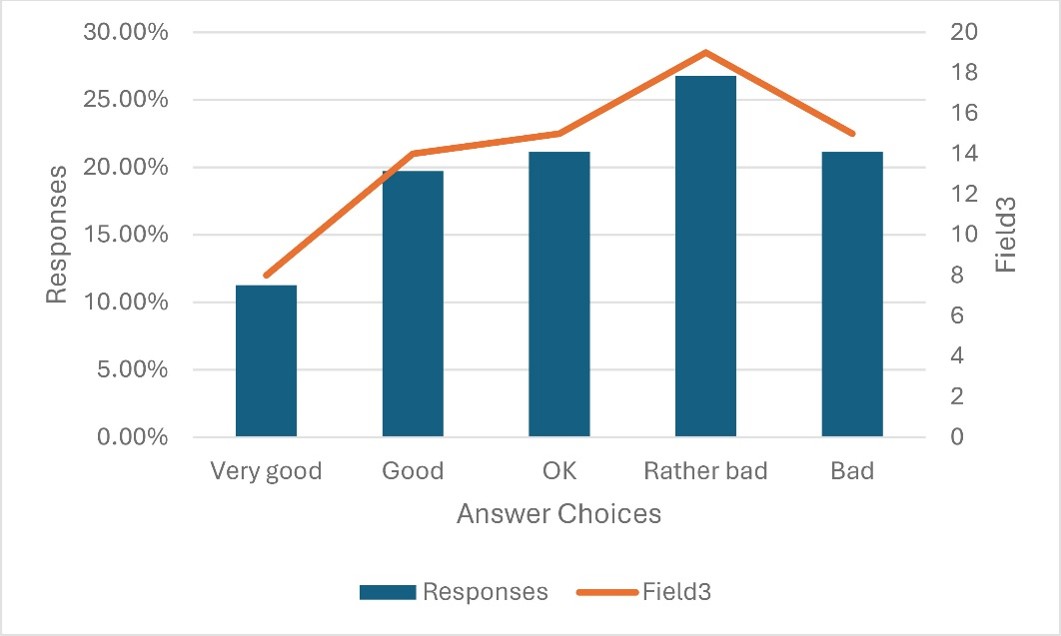
When asked about school experiences, the results of the quantitative part of the study showed that rather few had only attended one elementary school or 16%. Half of the participants had attended three or more elementary schools, out of those 24% had attended five or more elementary schools. Thus, it is evident that many participants had experienced rootlessness in their elementary school years. As can be seen in Figure 1, few participants thought that they had fared well academically in elementary school. Most of the participants (nearly 27%) thought that they had fared fairly, and over 21% thought that they had fared poorly.
Status in adulthood
Participants were asked about their educational level in the quantitative part of the study, which showed that 17% of the participants had only completed elementary school. In comparison, 33.5% of people in this age range in general in Iceland have completed only elementary school (Hagstofa Íslands, n.d.-a). A higher ratio (39%) had finished part of secondary school. Only 31% had finished secondary school, which is a considerably lower ratio than people in the same age range in general (57.3%) (Hagstofa Íslands, n.d.-a). Only one participant (1.41%) had completed a university degree, which is a much lower proportion compared to peers in general (9.2%) (Hagstofa Íslands, n.d.-a).
Next, participants in the quantitative part of the study were asked about employment, where they could mark more than one possibility. Two-thirds of the participants (65%) said that they had a paid job and 22.54% said that they were students. In comparison, the ratio of employed peers in general was 71% (Hagstofa Íslands, n.d.-b). An equal ratio of participants said that they were receiving disability benefits or receiving financial assistance or 8% each. However, only 2.9% of peers in general were receiving disability benefits (Hagstofa Íslands, 2021). In addition, 11% marked “other,” which could include positions such as maternity or paternity leave, waiting for rehabilitation, or unemployment.
Most participants in the quantitative part of the study rented an apartment on the market (41%) or lived with relatives or friends (41%). A small ratio lived in their own apartment (13%) and 6% lived in subsidized housing. In addition, 22.5% considered themselves to have been homeless for a period of time. The qualitative part of the study showed that some of the participants were able to stay longer with their foster family following the end of the foster care agreement, while others had to leave or had been in temporary foster care and had therefore already left. A young woman describes how suddenly her foster care ended, while she was still attending boarding school. Her foster mother had asked her to leave when she was around 20 years of age:
It was like the earth had been pulled out from under my feet, if I had known beforehand that I had only X amount of time to finish school and do something, then I would have looked for a job, raised money, I would not have been such a difficult student, I would have finished school, you see.
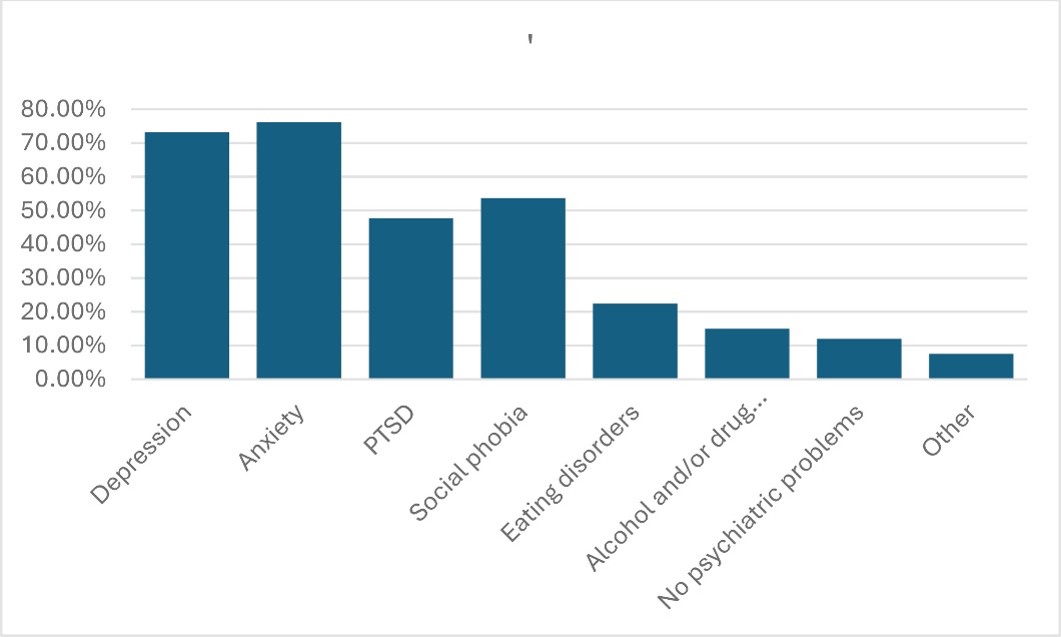
The majority of the participants (80%) in the quantitative part of the study thought that their status in adulthood would have been worse if they had not been placed into foster care. However, a large proportion of the participants had experienced psychiatric problems after they left foster care. Most of the participants sought professional help regarding those problems; only a few (12%) said that they had not needed to do so. As can be seen in Figure 2, the majority of the participants had suffered from depression (73%) and/or anxiety (76%) in adulthood. In addition, about half of them had suffered from PTSD or social phobia. Moreover, a considerable number had suffered from alcohol/drug abuse or eating disorders.
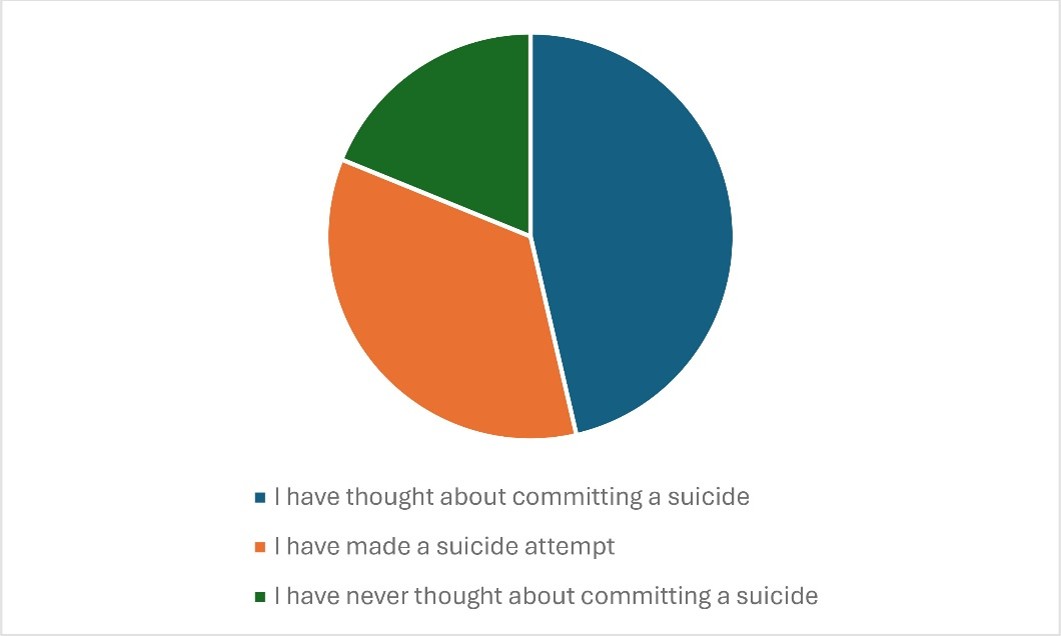
Next, participants in the quantitative part of the study were asked about suicidal thoughts and behavior. The results showed that only a small proportion of the participants (19%) had never thought of committing suicide. However, 46% had thought about committing suicide and, in addition, nearly 35% said that they had made a suicide attempt at some point in their life. The results are decisive, since 81% of the participants had either thought of committing suicide or had made a suicide attempt (Figure 3).
Finally, the participants in the quantitative part of the study were asked about support from child protection services following foster care. Nearly half of the participants (46%) said that they had not received any support from child protection services after they left foster care. Nearly one-fifth (18%) said that they had been interviewed by a social worker at social services in their municipality, 16% said they had received financial assistance, and 12% said that they had received educational financial assistance to be able to attend school.
The results of the qualitative study showed that the participants thought that the transition from foster care should have been prepared more thoroughly and that they would have wanted to receive more support during and following transition from foster care into an independent life. There were two themes analyzed regarding status in adulthood: belonging and financial self-sufficiency. Those two factors seemed to be what participants wished for in adulthood and were struggling to achieve, but that will not be discussed further here.
Even though the majority of the participants in the qualitative study had formed their own families and had children of their own, they were still struggling with working through trauma and difficulties in their childhood, which was not easy. One of the participants compared this experience with the experience of others who are raised in “normal” families:
Those who are raised in such decent conditions, they walk up Esjuna [a mountain in Iceland] and they walk up trails and receive support from their parents to attain their goals. I had to carry mom and dad on my back and I had to walk Mount Everest to attain the same thing.
Discussion
The results of this study are in accordance with both national and international studies, regarding the status of former foster care children (Gypen et al., 2017). The results indicate that former foster care children are at a disadvantage in society in various areas. Half of the participants in the quantitative part of this study had attended three elementary schools or more. Of them, 24% had attended five or more elementary schools. Thus, there is a certain rootlessness that characterizes school attendance of the participants. Frequent school changes have been shown to have negative effects on the psychiatric status of children. They have more difficulties keeping up with educational requirements, so rootlessness reduces opportunities for learning (Strolin-Goltzman et al., 2016; Townsend et al., 2020). The results indicated further that a large proportion of the participants had educational difficulties during their elementary school experience. The results did show that the participants in this study had lower educational degrees than others in general in Iceland; about 40% had attended but not completed secondary school.
Fewer participants in this study had a paid job compared to individuals in general in the 16–24 age range. Rather a high proportion of participants were receiving disability benefits or financial assistance from their municipality or 8% each. In comparison, 2.9% of individuals in general in a similar age range were receiving disability benefits (Hagstofa Íslands, 2021). The results are similar to other results showing that former foster care children are more likely to need financial assistance or disability allowance compared to the general public. It has been interpreted from the results that care leavers experience unequal opportunities for education and lower educational attainment than among the general public (Kääriälä & Hiilamo, 2017; Vinnerljung et al., 2015). Similar results were attained in a recent study that was conducted in Iceland on the status of former foster care children using a convenience sample. That study showed that former foster care children were at a disadvantage regarding education and employment (Laxdal & Freysteinsdóttir, 2023).
Despite this, most of the participants thought that their situation would have been worse in adulthood if they had not entered foster care. The results showed that the majority of them were suffering from psychiatric problems, both while they were in foster care as well as following foster care in their adulthood. Children in foster care have been measured with a higher frequency of psychiatric problems than among the general public, such as serious depression, PTSD and attachment disorders (Engler et al., 2022). The results of this study showed that over 70% said that they had experienced depression and/or anxiety in their adulthood.
The majority of the participants in the quantitative part of this study had been in long-term foster care. Furthermore, 17% of the participants had been in four or more foster care homes. These individuals had experienced a great deal of rootlessness, even after interventions by child protection services. According to previous research, each time foster care is disrupted, suicidal behavior increases by 68% (Taussig et al., 2014). Most of the participants, or 81%, had either thought about making or had made a suicide attempt at some point in their life. The results are in accordance with the results of a previous study that was conducted in Iceland, which also showed increased risk of suicidal thoughts and behaviors of former foster care children (Laxdal & Freysteinsdóttir, 2023). In addition, other studies have shown similar results (Kääriälä & Hiilamo, 2017; Vinnerljung et al., 2006).
The results of this study support the life-course perspective (Fulmer, 2016) and show how childhood trauma, the experience of foster care and transitions in young adulthood impact long-term outcomes in areas such as education, employment, social well-being, and mental health. The results underline the importance of appropriate support and intervention for this group of former foster care children. The results also indicate that the care leavers wanted more information about their foster care families, which is similar to the results of a study conducted by McTavish et al. (2022). The results also indicate that supervision of foster care children needs to be more extensive, with higher frequency of visits by child protection workers and regular support from professionals in conjunction with foster care. In addition, the results of the qualitative study showed that the transition from foster care should have been prepared more thoroughly and that the participants wanted to receive more support during and following that transition. However, most of the participants said that they thought it was the right decision to place them in foster care, and the majority thought that they should have gone into foster care earlier, which shows the importance of interventions by child protection services. That is in accordance with a previous Nordic qualitative study that showed that the participants expressed gratitude toward society for the change in their lives and their experiences of being reborn as a result (Bengtsson et al., 2018). The participants in this study also thought that it was important to gain financial self-reliance, which is also in accordance with previously mentioned study, where the participants expressed increased self-reliance while preparing themselves to leave care (Bengtsson et al., 2018). However, a previous study showed that care leavers have a need for practical and financial support as well as broader social and emotional support (Höjer & Sjöblom, 2010) at this stage of the life cycle. The need for more practical and financial support were among the results of the qualitative part of this study, and the participants felt the need to belong as well.
The main limitation of this study is the low participation ratio in the quantitative part of the study, which was 38%. However, we need to bear in mind that this was not a sample, but the whole population of young care leavers at the age of 20–25 in Iceland who had been in foster care through child protection services. Another limitation was that we were unable to reach 30 individuals out of 217, or 14%, leaving 187 individuals that we were able to reach. A third limitation is that more questions could have been asked about leaving care specifically. Finally, it could be considered a limitation that the results from the quantitative part of the study were compared with the general public. However, we thought that it was important to see how this group of care leavers was doing compared to their peers. It would have been interesting to compare their position with peers as well that had been involved with child protection services without having been in care. That kind of comparison can be problematic as well, since those children that go into foster care have usually been more severely maltreated than children that receive milder interventions (Miller-Perrin et al., 2021). Thus, it is difficult to compare care leavers with other groups.
It is important that foster care children receive the support that they need to be able to deal with the experience that was the reason for their placement in foster care, as well as with the changes that foster care placement includes. The qualitative part of this study revealed that many participants had endured severe maltreatment and other difficult circumstances before they entered foster care. Professional support is important in terms of providing psychiatric and emotional care as well as educational and social support. This study highlights critical areas for improvement in the foster care system, aiming to enhance the lives of future foster care children in Iceland by addressing the challenges identified in the study.
Acknowledgements
This work was supported by the Ministry of Education and Children, Iceland. This submission has not been published elsewhere and is not under consideration by any other journal. This paper makes a novel contribution to the literature since it is the first to explore the status of former foster care children in adulthood based on a population. It also describes lived experiences of care leavers in a qualitative part of the study.
References
Barna-og fjölskyldustofa. (2024, February). Samanburður á úrræðum og umsóknum um þjónustu til Barna-og fjölskyldustofu á árunum 2020–2023 [A comparison of interventions and applications for services to the national agency for children and families during the years of 2020–2023. Barna-og fjölskyldustofa.
Barna- og fjölskyldustofa. (n.d.). Fóstur [Foster care]. Barna- og fjölskyldustofa. https://island.is/s/bofs/fostur
Barnaverndarlög [Child protection laws] no. 80/2002.
Bengtsson, M., Sjöblom, Y., & Öberg, P. (2018). “Well, it’s up to me now”–young care leavers’ strategies for handling adversities when leaving out-of-home care in sweden. Nordic Social Work Research, 8(S1), 8–18.
Berlin, M., Vinnerljung, B., & Hjern, A. (2011). School performance in primary school and psychosocial problems in young adulthood among care leavers from long term foster care. Children and Youth Services Review, 33(12), 2489–2497. https://doi.org/10.1016/j.childyouth.2011.08.024
Blöndal, K., & Halldórsdóttir, S. (2021). Úrtök og úrtaksaðferðir í eigindlegum rannsóknum [Samples and methods of sampling in qualitative studies]. In S. Halldórsdóttir (Ed.), Rannsóknir: Handbók í aðferðafræði [Research: Handbook in methodology]. (pp. 205–2017). University of Akureyri.
Brännström, L., Vinnerljung, B., & Hjern, A. (2016). Child welfare clients have higher risks for teenage childbirths: which are the major confounders? European Journal of Public Health. 26(4), 592–597.
Daly, F. (2012). What young people need when they leave care? View of care-leavers and aftercare workers in North Dublin. Child Care in Practice, 18(4), 309–324.
Engler, A.D., Sarpong, K.O., Van Horne, B.S., Greeley, C.S., & Keefe, R.J. (2022). A systematic review of mental health disorders of children in foster care. Trauma, Violence, & Abuse, 23(1), 255–264.
Forsman, H., Brännström, L., Vinnerljung, B., & Hjern, A. (2016). Does poor school performance cause later psychosocial problems among children in foster care? Evidence from national longitudinal registry data. Child Abuse & Neglect, 57, 61–71.
Fulmer, R.H. (2016). Becoming an adult: Learning to love and work. In M. McGoldrick, N.G. Preto & B. Carter (Eds.), The expanding family life cycle: Individual, family and social perspectives (5th ed.). (pp. 240–258). Pearson.
Fylkesnes, M., Larsen, M., Havnen, K., Christiansen, Ø., & Lehmann, S. (2021). Listening to advice from young people in foster care—from participation to belonging. The British Journal of Social Work, 51(6), 1983–2000.
Greeson, J.K., Briggs, E.C., Kisiel, C.L., Layne, C.M., Ake, G.S., Ko, S.J., Gerrity, E.T., Steinberg, A., Howard, M.L., Pynoos, R., & Fairbank, J.A. (2011). Complex trauma and mental health in children and adolescents placed in foster care. Child welfare, 90(6), 91–108.
Greiner, M.V., & Beal, S.J. (2017). Foster care is associated with poor mental health in children. The Journal of Pediatrics, 182, 401–404.
Gypen, L., Vanderfaeillie, J., De Maeyer, S., Belenger, L., & Van Holen, F. (2017). Outcomes of children who grew up in foster care: Systematic-review. Children and Youth Services Review, 76, 74–83.
Hagstofa Íslands. (n.d.-a). Mannfjöldi eftir menntunarstöðu samkvæmt ISCED 2011 2003–2022, hlutfallsleg skipting [Population following education according to ISCED 2011 2003–2022, division by ratio]. https://px.hagstofa.is/pxis/pxweb/is/Samfelag/Samfelag__skolamal__5_menntunarstada/SKO00002.px
Hagstofa Íslands. (n.d.-b). Vinnumarkaðsrannsókn [Job market study]. https://px.hagstofa.is/pxis/pxweb/is/Samfelag/Samfelag__vinnumarkadur__vinnumarkadsrannsokn__3_arstolur/VIN00931.px/table/tableViewLayout2/
Hagstofa Íslands. (2021). Hlutfall örorkulífeyrisþega af aldurshópum eftir tegund greiðslna, greiðendum, kyni og aldri í desember 2007–2021 [The ratio of disability benefits according to age groups by type of payments, who pays, gender and age in December 2007–2021]. https://px.hagstofa.is/pxis/pxweb/is/Samfelag/Samfelag__felagsmal__lifeyristhegar/FEL02004.px/table/tableViewLayout2/
Haugen, A. (2004). Beiting úrræða í barnaverndarmálum, mörkin milli stuðnings og þvingunar og ákvörðunarferlið. Hlutur Íslands í norrænni samanburðarrannsókn [Application of resources in child protection cases, the boundary between support and coercion and the decision process. Iceland’s role in a Nordic comparative study]. (Series 1.). Barnaverndarstofa. [National agency for child protection].
Höjer, I., & Sjöblom, Y. (2010). Young people leaving care in Sweden. Child & Family Social Work, 15(1), 118–127.
Kristinsdóttir, G. (2004). Ég hef verið mjög sátt við að vera í fóstri en... : Um reynslu ungs fólks í fóstri [I have been very satisfied in foster care but…: About the experience of young people in foster care]. Barnaverndarstofa. [National agency for child protection].
Kääriälä, A., & Hiilamo, H. (2017). Children in out-of-home care as young adults: A systematic review of outcomes in the Nordic countries. Children and Youth Services Review, 79, 107–114.
Lög um barnavernd [Laws regarding child protection] no. 43/1932.
Lög um samþætta þjónusta í þágu farsældar barna [Laws regarding integrating services to increase prosperity among children] no. 86/2021.
Laxdal, B.R. & Freysteinsdóttir, F.J. (2023). Fósturbarn og hvað svo? [Foster child and then what?]. Tímarit félagsráðgjafa [Journal of Social Workers], 17(1), 38–44.
McGoldrick, M., Preto, N.G., & Carter, B. (2016). The life cycle in its changing context: Individual, family, and social perspectives. In M. McGoldrick, N.G. Preto, & B. Carter (Eds.), The expanding family life cycle: Individual, family and social perspectives (5th ed.). (pp. 1–44). Pearson.
McTavish, J.R., McKee, C., & MacMillan, H.L. (2022). Foster children’s perspectives on participation in child welfare processes: A meta synthesis of qualitative studies. PloS ONE, 17(10), e0275784.
Miller-Perrin, C. L., Perrin, R. D., & Renzetti, C. M. (2021). Violence and maltreatment in intimate relationships (2nd edition). SAGE.
Ólafsson, S. (1990). Lífskjör og lífshættir á Norðurlöndum: Samanburður á þjóðfélagi Íslendinga, Dana, Finna, Norðmanna og Svía [Standard of living and way of life in the Nordic countries: A comparison of Icelandic, Danish, Finnish, Norwegian and Swedish societies]. Iðunn.
Ólafsson, S. (1999). Íslenska leiðin: Almannatryggingar og velferð í fjölþjóðlegum samanburði [The Icelandic way: Social security and welfare in a multi-national comparison]. University Press [Háskólaútgáfan].
Regier, D.A., Kuhl, E.A., & Kupfer, D.J. (2013). The DSM-5: Classification and criteria changes. World Psychiatry, 12(2), 92–98.
Reglugerð um fóstur [Regulation regarding foster care] no. 804/2004.
Rubin, A., & Babbie, E. (2005). Research methods for social work. (5. útgáfa). Brooks/Cole, Cengage Learning.
Stewart, S.L., Graham, A.A., & Poss, J.W. (2023). Examining the mental health indicators and service needs of children living with foster families. Children and Youth Services Review, 147, 106833.
Strolin-Goltzman, J., Woodhouse, V., Suter, J., & Werrbach, M. (2016). A mixed method study on educational well-being and resilience among youth in foster care. Children and Youth Services Review, 70, 30–36.
Taussig, H.N., Harpin, S.B., & Maguire, S.A. (2014). Suicidality among preadolescent maltreated children in foster care. Child Maltreatment, 19(1), 17–26.
Townsend, I.M., Berger, E.P., & Reupert, A.E. (2020). Systematic review of the educational experiences of children in care: Children’s perspectives. Children and Youth Services Review, 111, 104835.
Umboðsmaður barna. (2020). Álitaefni barnaréttarnefndarinnar um framkvæmd Barnasáttmálans [Issues of committee of the rights of the child regarding the execution of the Convention of the rights of the child]. https://www. barn.is/barnasattmalinn/barnarettarnefndin/listi-barnarettarnefndarinnar-um-framkvaemd-barnasattmalans-aislandi-2020/
Vinnerljung, B., & Hjern, A. (2011). Cognitive, educational and self-support outcomes of long-term foster care versus adoption. A Swedish national cohort study. Children and Youth Services Review, 33(10), 1902–1910.
Vinnerljung, B., Hjern, A., & Lindblad, F. (2006). Suicide attempts and severe psychiatric morbidity among former child welfare clients: A national cohort study. Journal of Child Psychology and Psychiatry, 47(7), 723–733.
Vinnerljung, B., Brännström, L., & Hjern, A. (2015). Disability pension among adult former child welfare clients: A Swedish national cohort study. Children and Youth Services Review, 56(1), 169–176.
Vinnerljung, B., Öman, M., & Gunnarson, T. (2005). Suicide attempts and severe psychiatric morbidity among former child welfare clients: A national cohort study. International Journal of Social Welfare, 14(4), 265–276.