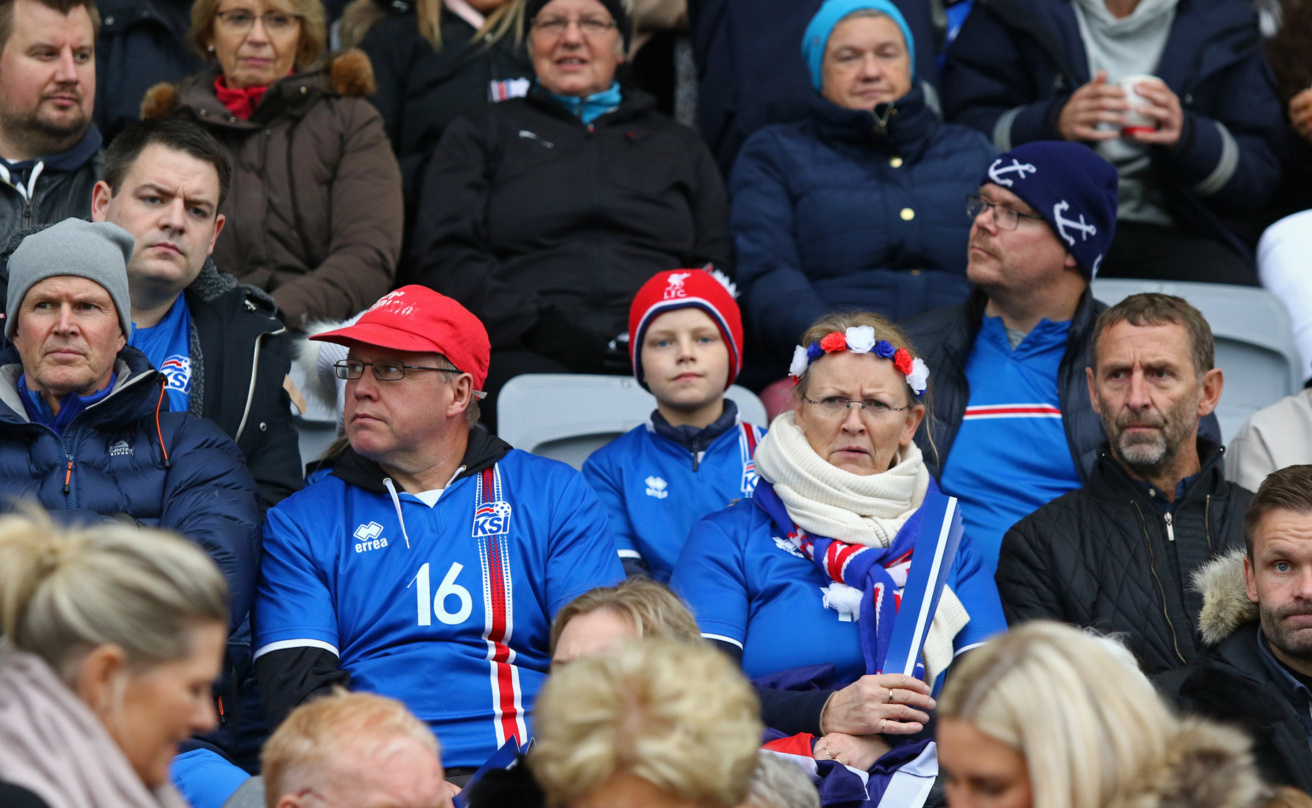
Icelandic sports have long promoted healthy lifestyles, but alcohol is now appearing in the stands. In this article Árni Einarsson, executive director of Fræðsla og forvarnir (Education and Prevention), examines how this change challenges the values of prevention and questions the role of sports in protecting young people and supporting communities.
Icelandic sports appear to be at a critical juncture. Organized sports have long been seen as a preventive measure for safeguarding children and young people, but the growing presence of the alcohol industry in this space is changing that. Until recently, it would have been almost inconceivable for most people in Iceland that the same setting, which plays a central role in socialization and prevention, could simultaneously function as a platform for alcohol consumption and marketing.
These developments run counter to the core values of the sports movement and the foundational principles of the Icelandic Prevention Model, which emphasize clear social norms, consistent messaging, and environments in which healthy lifestyles and wellbeing are not merely aspirational, but normative.
Alcohol in the context of sporting events
Alcohol sales at sporting events in Iceland have increased markedly in recent years.
This trend has sparked considerable public and professional debate, and responses within the sports movement have been ambivalent. On one hand, alcohol is seen as a potentially important source of revenue for sports clubs, provided strict regulations are enforced, consumption is limited in the presence of children and young people, and effective oversight is maintained.
On the other hand, some sport clubs argue that alcohol enhances the spectator’s experience and contributes to the overall appeal of sporting events, which are increasingly positioned within a competitive entertainment market alongside other cultural and leisure offerings.
Under Icelandic law, the sale of alcohol – whether by sports clubs or other entities – requires appropriate licensing and oversight from multiple regulatory authorities. Nevertheless, documented cases indicate lapses in compliance, including instances where alcohol has been sold without the requisite permits. Such practices have been subject to substantial criticism.
A shift in policy orientation
A longstanding principle of the Icelandic sports movement has been the clear separation of sports from alcohol, tobacco, and other addictive substances. Organized sports have traditionally been regarded as possessing significant preventive value, including reducing risk factors associated with substance use.
More broadly, the movement has maintained that participation in sports constitutes a protective factor; that the sporting environment should promote healthy lifestyles and remain alcohol-free, and that prevention is a central component of its social mandate. Critics of alcohol sales at sporting events invoke these established policy commitments, arguing that the movement’s emphasis on prevention and public health entails corresponding obligations. From this perspective, collaboration with the alcohol or tobacco industries – or with other actors whose activities may undermine public health – is considered incompatible with the movement’s stated objectives.
Furthermore, public authorities, including both the state and municipalities, provide substantial funding to sports organizations on the premise that their activities contribute to public health and preventive efforts. This, in turn, raises the question of whether such funding arrangements warrant reassessment in light of recent developments.
The Directorate of Health in Iceland has also expressed concern about alcohol sales at sporting events, emphasizing that normalizing alcohol consumption in these contexts runs counter to established prevention research and may undermine the positive impact of shared experiences between children and their parents.
Challenging preventive progress
The sale and consumption of alcohol at sporting events should not be understood solely through the lens of financial sustainability for sports clubs. Rather, it raises broader questions about the fundamental principles of Icelandic prevention efforts and the role of sports as a key site of socialization and community engagement.
As the current debate highlights, the increasing integration of alcohol into sporting contexts may risk undermining the achievements of the Icelandic Prevention Model – built on consistency, healthy lifestyles, positive role models, and social safety. Should previously established boundaries become less distinct, the durability of the progress achieved in recent decades may be compromised. Consequently, sports organizations are confronted with a critical question: where should the boundaries be drawn between revenue generation, entertainment, and social responsibility?
Conclusion
The increasing presence of alcohol in Icelandic sports challenges the core values of prevention, healthy lifestyles, and social responsibility that underpin the Icelandic Prevention Model. Sports organizations must therefore navigate carefully the tension between revenue generation, entertainment, and their role as protective, educational environments. Maintaining this balance is essential to ensure that decades of progress in prevention are not undermined.
The article is written by
Árni Einarsson, MA in Education Studies and executive director of Education and Prevention,
on the request of PopNAD
Related articles
Beers, bets and ballgames: Extended alcohol service and gambling hours during the FIFA World Cup in Norway
Finland moves further away from the Nordic alcohol model