In her doctoral dissertation, historian PhD Pirjo Ovaskainen studied how three Finnish cities – Tampere, Kuopio, and Jyväskylä – adapted to the post-Prohibition era between 1932 and 1939. Ovaskainen claims that the cities wanted to have more influence over local alcohol policies than they were actually allowed.
Before the Prohibition Act, municipalities and cities in Finland decided for themselves how alcohol could be sold and served. Strong temperance movements and the impact of the First World War had already reduced alcohol consumption. Despite this, the newly independent Finland, chose to introduce prohibition, which came into force on June 1, 1919. People didn’t stop drinking alcohol during the prohibition. Consumption continued much as before, in restaurants and private homes. The key difference was that it had become illegal.
However, during this time drinking habits changed radically: Finnish people switched from drinking beer and wine to drinking spirits. The Prohibition Act was in force for about twelve years. During that time the Finnish restaurant culture was effectively paralyzed.
Alko
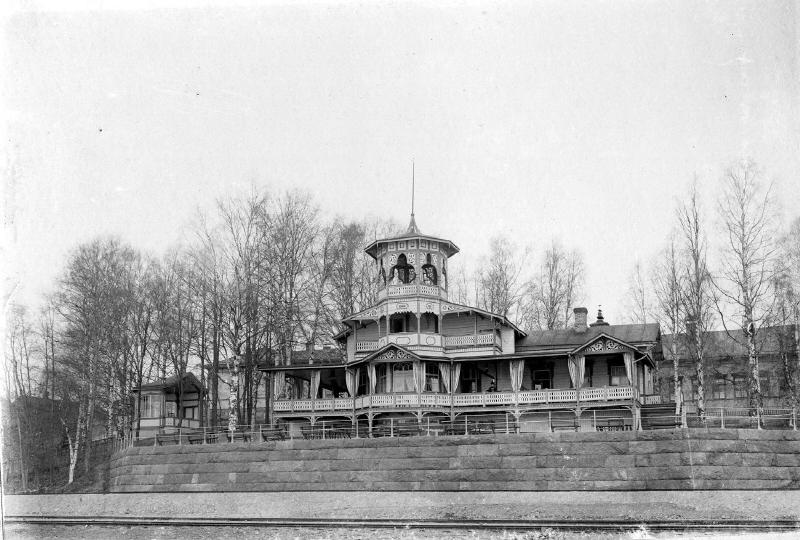
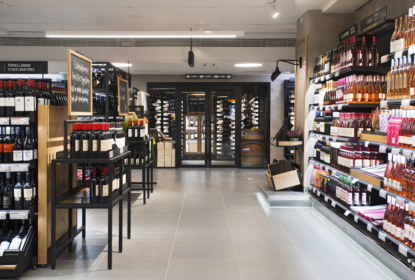
After the Prohibition Act, decision-making power over alcohol was transferred from the municipalities to a state-owned entity called the Alcohol Company (Alko). Alko decided on the location of licensed restaurants and liquor stores, but also the types of alcohol that each restaurant could serve. Restaurants were classified according to serving categories (for example category A= you can service all types of alcohol, category B= you can serve only beer and wine, category C= you can serve only beer), among other things.
The company also oversaw the daily operations of restaurants, handling both major and minor issues, and had the authority to punish establishments if violations were serious enough.
The situation stabilized
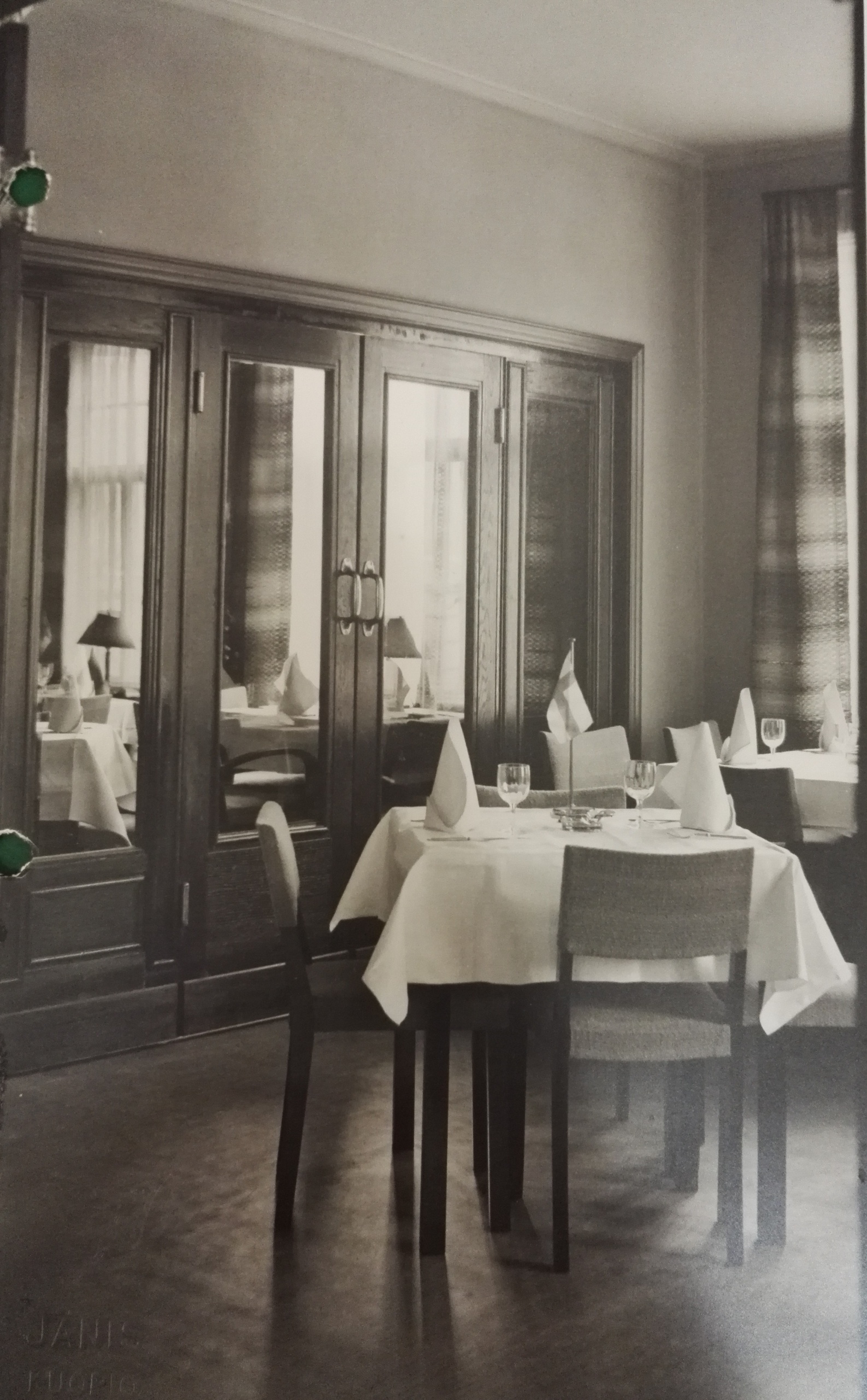
The operations of restaurants were supervised by various inspectors, with local municipal inspectors – elected by the city councils – being the most influential. The highest number of alcohol serving offences of varying degrees occurred immediately after the end of the Prohibition. The situation stabilized during 1934, when all parties became accustomed to the requirements of the new law. Small fouls also occurred after that, but less often.
Restaurateurs had to apply for alcohol licenses approximately every two years, and approval required statements from both the local police and the city council. In all three cities studied – Tampere, Kuopio and Jyväskylä – alcohol licenses were almost always a topic of heated discussion in council meetings. In Tampere, for example, certain councilors wanted to deny all licenses every time they were processed.
Despite this, the study found that the Alcohol Company often paid little attention to the councils’ opinions. There were several situations where Alko made decisions completely contrary to the council’s statement.
One of the most significant changes of the 1930s was Alko’s deliberate decision to reduce the number of beer-serving restaurants aimed at the working class. In Jyväskylä, there was even a period when no beer restaurants existed at all, and in Tampere, their number decreased radically throughout the whole decade.
This conscious policy, Ovaskainen argues, shaped Finland’s alcohol culture. Unlike in the United Kingdom, where pubs were widely recognized as important gathering places for the working class, Finland never developed a similar tradition of beer-focused social spaces.
War on the horizon
By the end of the decade, restaurant operations in Finland had become well established, and the country was preparing to host the 1940 Summer Olympics. However, things turned out differently when Germany invaded Poland in the summer of 1939, igniting the Second World War. Finland was forced into war on the last day of November 1939 when the Soviet Union launched an attack.
The war brought new restrictions for restaurants. Emergency laws closed establishments near the border and in war zones while opening hours and alcohol service were limited elsewhere. Prices rose, but the public’s demand for restaurant services remained strong throughout, and after the war.
The article is written by
Pirjo Ovaskainen, PhD University of Helsinki,
On the request of PopNAD
Related articles
Beers, bets and ballgames: Extended alcohol service and gambling hours during the FIFA World Cup in Norway
Finland moves further away from the Nordic alcohol model