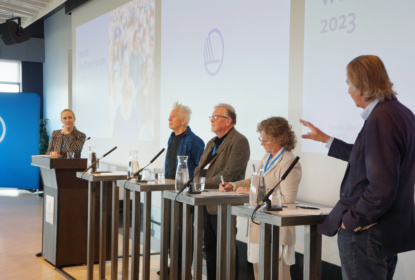
The Nordic Welfare Centre will present the results of a project on Nordic preparedness plans in the social and long-term care sector on 8 December. The project focuses on identifying methods for including vulnerable and disadvantaged groups in emergency preparedness planning. In this way, it contributes to more stable and robust crisis management in the Nordic Region, in which all groups in society are included.
Children’s and young people’s living conditions a key priority
Challenges related to mental health, loneliness and social exclusion, combined with the major role that social media plays in everyday life, make it necessary to strengthen Nordic co-operation in this area. The Presidency aims to promote knowledge development and the exchange of experience on how to support good mental health, prevent social exclusion and ensure safe and inclusive environments for children and young people to grow up in.
Declaration of intent on young people and digital media
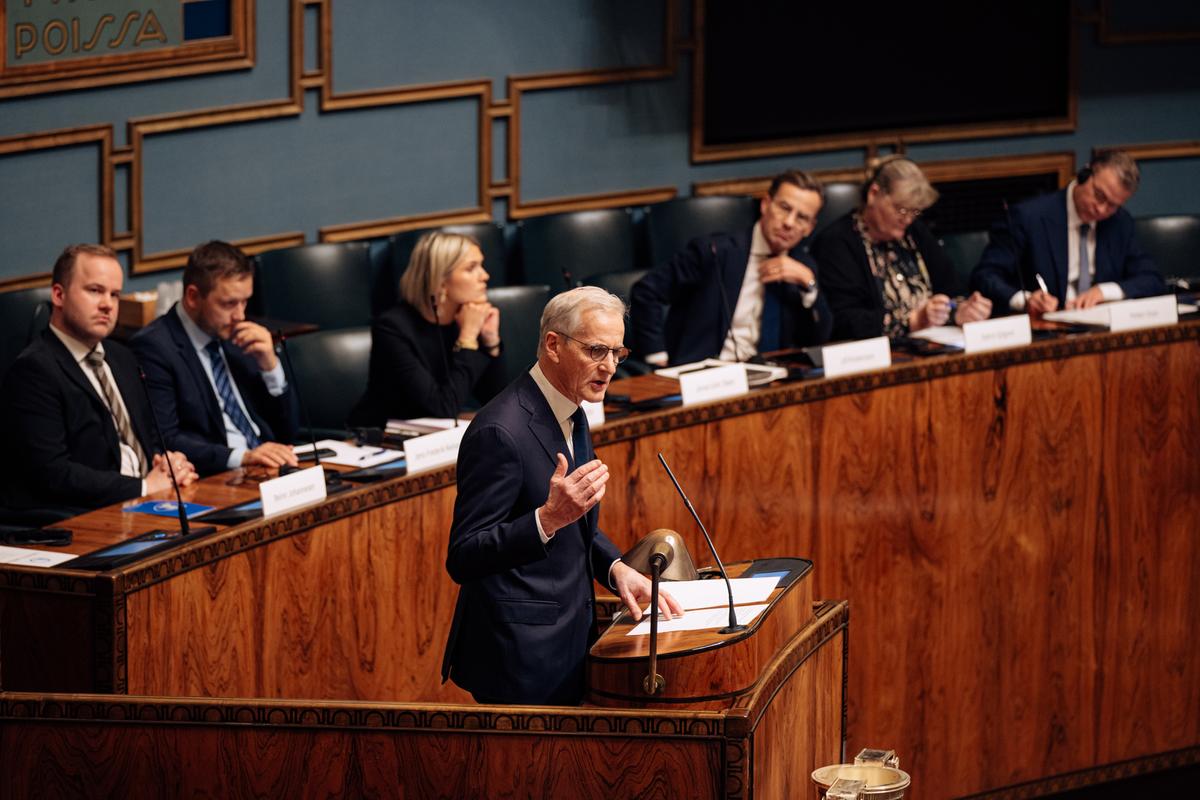
In connection with the Session of the Nordic Council, the Nordic prime ministers signed a declaration of intent, the Marienborg Declaration, aimed at ensuring that children and young people are protected from harm associated with social media and digital platforms. The Presidency aims to contribute to a coordinated Nordic response in this area, including age limits and age verification on social media, children’s rights online, and measures to combat harmful content, radicalisation, sexual abuse and exploitation on digital platforms.
Children and young people’s own experiences and perspectives are central to this work. The Presidency specifically highlights our ongoing project in this area:
The Nordic Welfare Centre is since 2024, running a project on children, young people and digital media on behalf of the Nordic Council of Ministers. On 2 December, two research reports from the project will be launched. One contains a literature review and a mapping of policies and initiatives in the Nordic countries, and the other is based on consultations with young people themselves.
An inclusive working life crucial to competitiveness
The programme states that a safe and inclusive working life is essential to Nordic competitiveness and sustainable welfare. The Presidency aims to combat work-related crime and social dumping, strengthen efforts to improve the working environment and co-operation between the social partners, and increase employment among vulnerable groups. The aim is to enable more people to remain in work for longer under safe and fair working conditions.
Stronger co-operation on digitalisation and artificial intelligence
The Nordic Welfare Centre supports the Nordic countries in addressing demographic challenges at both national and Nordic level through a range of projects. We contribute knowledge and practical solutions to the countries’ efforts to develop and implement welfare technology, helping to foster a competitive Nordic Region based on innovation and digital inclusion.
Read more about our work on Welfare technology.
Background
The Presidency of the Nordic Council of Ministers rotates between the Nordic countries. This year, Denmark and the Faroe Islands hold the Presidency, and Norway will take over at the turn of the year. The Presidency programme is based on Vision 2030: The Nordic Region will become the most sustainable and integrated region in the world and its three strategic priorities:
- A green Nordic Region
- A competitive Nordic Region
- A socially sustainable Nordic Region
The Nordic Welfare Centre’s activities fall primarily within A socially sustainable Nordic Region, although some of our work also falls within A competitive Nordic Region.
Photo: Jonas Gahr Støre at the Session of the Nordic Council on 27 October, by Eino Ansio/norden.org.
Related news
Living standards in the wake of inflation: How the Nordic welfare state responds
The Nordic welfare model: Strong public foundations for a productive private sector