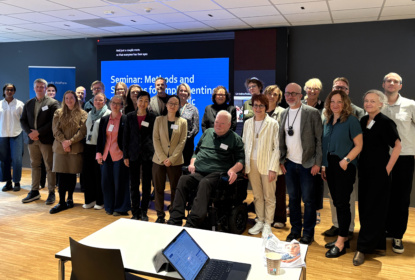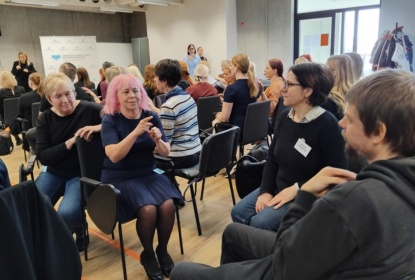
How do we follow and measure developments in the situation of persons with disabilities? An expert seminar in Stockholm addressed how the implementation of the UN Convention on the Rights of Persons with Disabilities (CRPD) is monitored in the Nordic countries.
How can we strengthen Nordic cooperation to improve statistics and research on persons with disabilities? This was discussed at an expert seminar in Stockholm in September 2026. Statistics and data are important for monitoring how persons with disabilities live and whether they can exercise their rights in everyday life.
The Nordic countries have signed and ratified the UN Convention on the Rights of Persons with Disabilities (CRPD). According to Article 31, States Parties to the Convention are obliged to collect and analyse statistical and research data to ensure the implementation of the rights set out in the Convention. Systematic data collection is essential for identifying barriers, evaluating progress and developing effective measures to promote equality and inclusion. States Parties shall also make the statistics available to persons with disabilities and others.
Examples from the Nordic countries
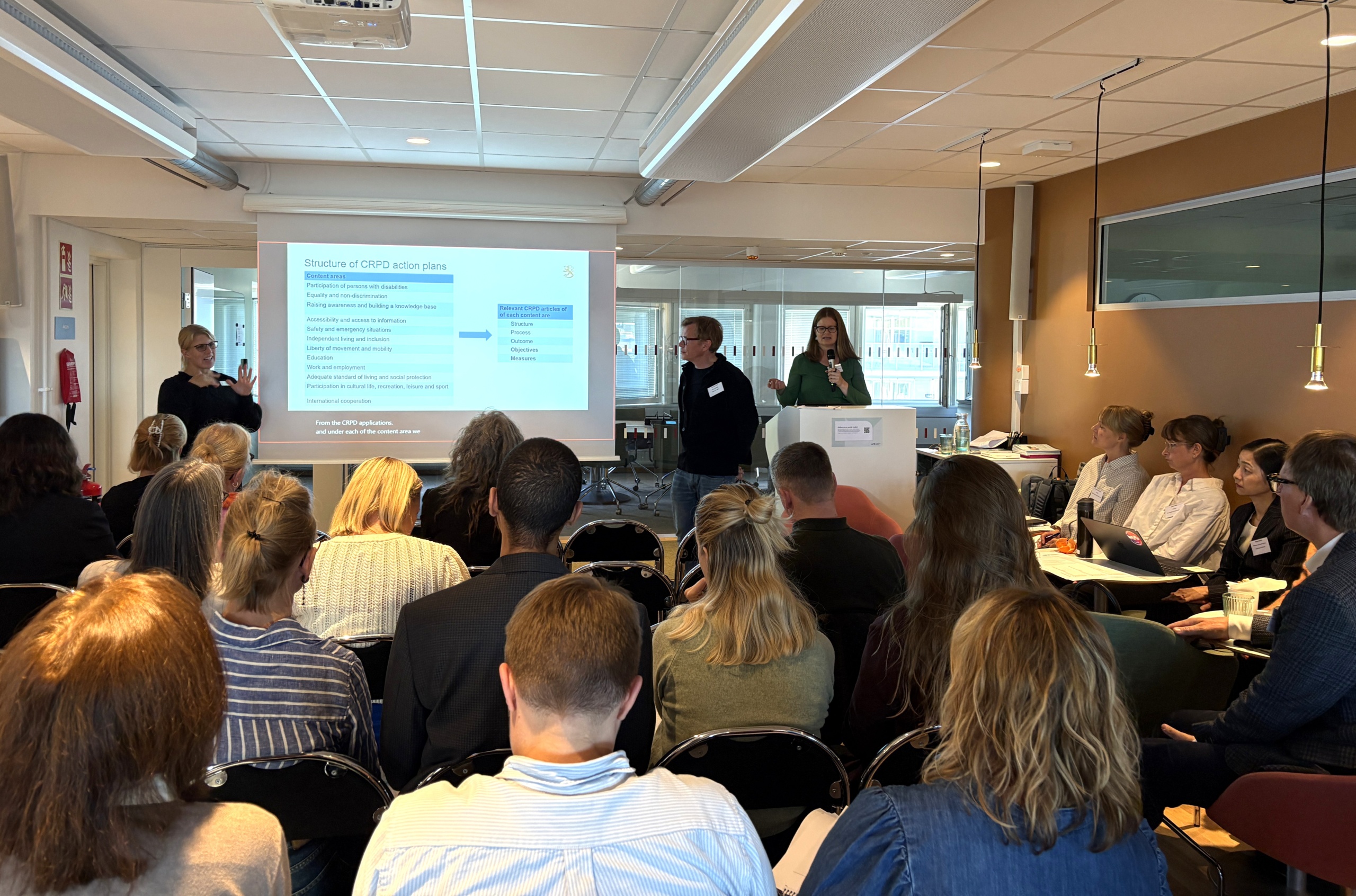
Representatives from Nordic authorities shared how their countries are working to implement and monitor the CRPD. Panu Artemjeff from the Ministry of Justice and Tea Hoffrén from the Ministry of Social Affairs and Health described Finland’s use of human rights indicators in its CRPD action plan.
Karin Westling from the Swedish Agency for Participation presented Sweden’s sector-based monitoring framework and its ongoing review to address data gaps and strengthen links to CRPD articles. Sophia Rodrigues Eusebio from Bufdir in Norway described Norway’s online hub for statistics and the co-operation on statistics between Bufdir, Statistics Norway and other directorates.
Raising awareness in Greenland
Tilioq is Greenlands politically independent national advocacy organisation for persons with disabilities and was established in 2017. Qivioq Løvstrøm, Spokesperson for People with Disabilities in Greenland described Tilioq’s role in monitoring CRPD compliance.
She mentions several challenges, such as a lack of accessibility in public places and limited availability of official data in Greenland. Tilioq has seen a rise in problems with case processing in recent years. A typical example is when someone needs a service, contacts their municipality and then nothing happens.
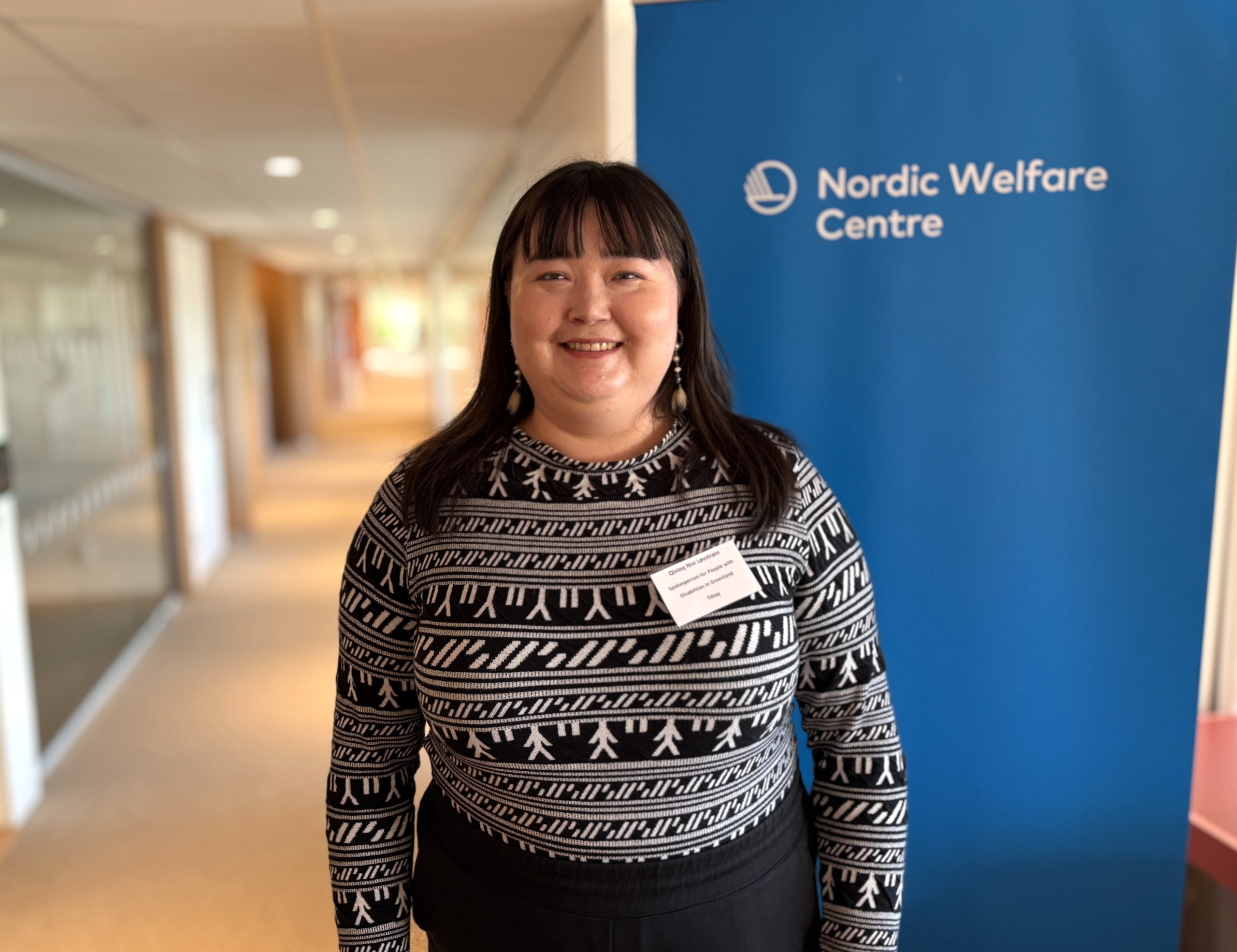
– We often help them go to the ombudsman or file a complaint. But we have seen that even when you go to the ombudsman and the ombudsman has made a decision in your favour that the municipality does not change its behaviour, says Qivioq Løvstrøm.
A funded nationwide tour in 2026 and 2027 allows Tilioq to visit municipalities to spread information and raise awareness. One of the areas of focus is to make persons with disabilities aware of their rights.
– It has been very important that I as spokesperson am visible in Greenlandic media, speaking in Greenlandic, to Greenlandic people, to be able to ensure that decision-makers are also pressured by the public, not just by us. And also to ensure that the public realise their rights, says Qivioq Løvstrøm.
Indicators in Canada
Monitoring the situation of persons with disabilities requires comparable, disaggregated and accessible data that capture barriers and lived experiences. At the seminar, Canada was used as an example. The purpose of the Accessible Canada Act (ACA) is to make Canada barrier-free by 2040.
Susan Wallace from Statistics Canada described how the national statistical agency links legislative requirements to disability and accessibility surveys. To measure progress in fulfilling commitments under the CRPD, Canada has created indicators for selected articles of the CRPD. Examples include “Barriers to accessibility in public spaces” and “Home modification needs met”.
Susan Wallace shares some of the lessons learned when developing accessibility-focused survey content.
– Avoid technical or academic terminology; instead, use language that will be easily understood by respondents. And the response options need to reflect the diverse experiences of persons with disabilities, says Susan Wallace.
Disability statistics added to the Nordic Statistics Database
A new report was presented at the seminar: Disability indicators for the Nordic Statistics Database: Assessment and selection. The report is produced by Nordregio in co-operation with the Nordic Welfare Centre and recommends 17 indicators for inclusion in the Nordic Statistics Database. These include indicators on disability prevalence, access to the labour market and income and living conditions.
– The next phase is to implement these indicators into the Nordic Statistics Database, starting this fall and winter. Our subsequent objectives are to learn from national experts what other data are available and how comparable they are – in particular register-based data or administrative-based data, which we know is being developed in many of the countries, says Vitor Miranda, Head of Statistics at Nordregio.
Top picture: Pexels/Gustavo Fring