Persons with deafblindness have the right to express their sexuality, like everyone else. However, deafblindness affects how a person learns about, experiences, and expresses their sexuality and bodily autonomy. How can the combination of deafblindness and sexuality be adressed in a professional and respectful way?
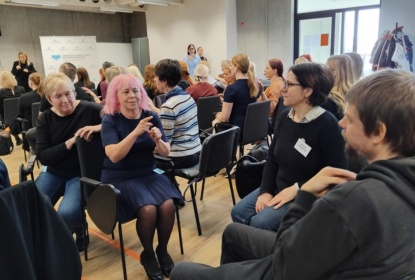
At the Nordic Conference on Deafblindness in Copenhagen in September 2026, a workshop addressed the issue of sexuality and deafblindness under the headline “Sex is great, sex is healthy”. The quote was originally used by Søren Brostrøm, Director General of the Danish health authority during the Covid-19 pandemic, but it also applies to many aspects of sexual health and wellbeing.
Barriers to information
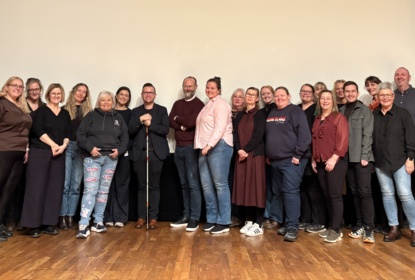
Morten Axelgaard Christiansen, sexual counsellor and special consultant, and Helle Simone Chræmmer Hviid, physiotherapist and special consultant, led the workshop. Morten, Helle and the participants in the workshop agree that information about sex and deafblindness is hard to find.
– It’s almost non-existent, Helle Simone Chræmmer Hviid says.
Creating information and sex education material for persons with deafblindness is a complex task.
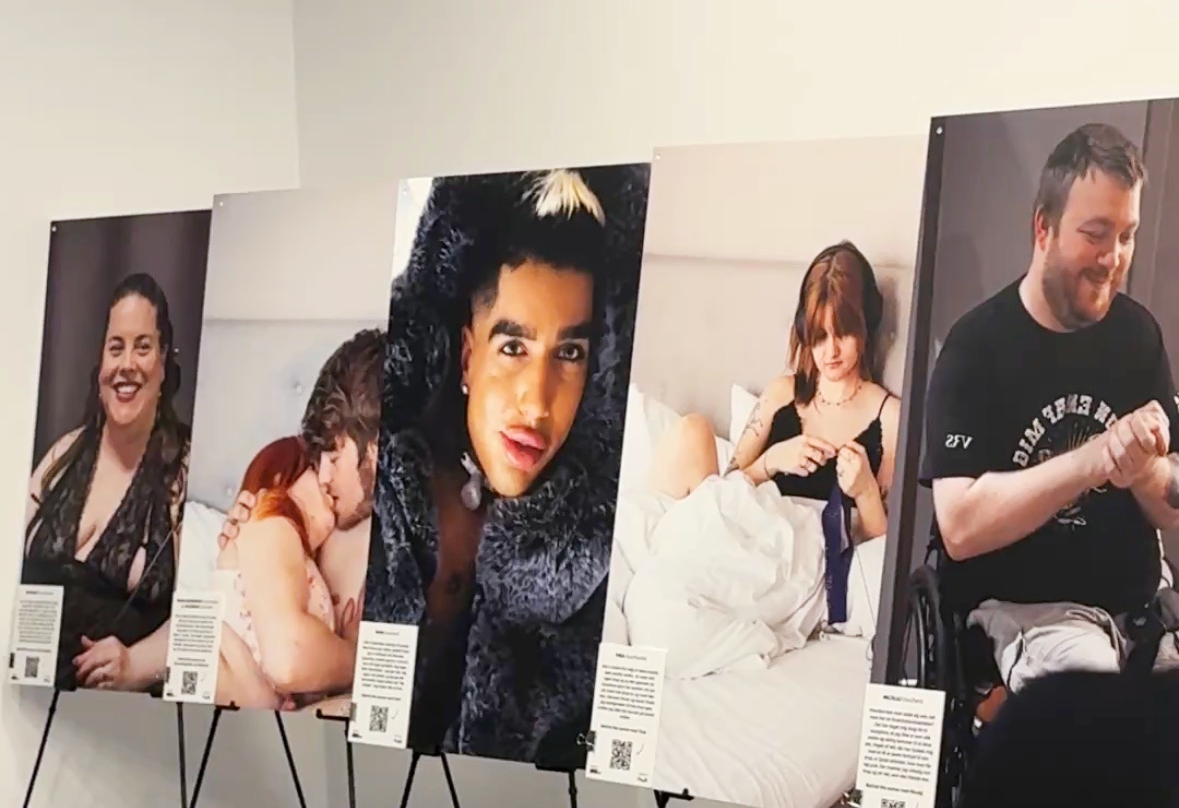
– It’s very difficult to make information material accessible to a person with deafblindness because there are a lot of boundaries. How do we show a body, how do we show when we are attracted, and how do we discuss sexuality? Morten Axelgaard Christiansen explains.
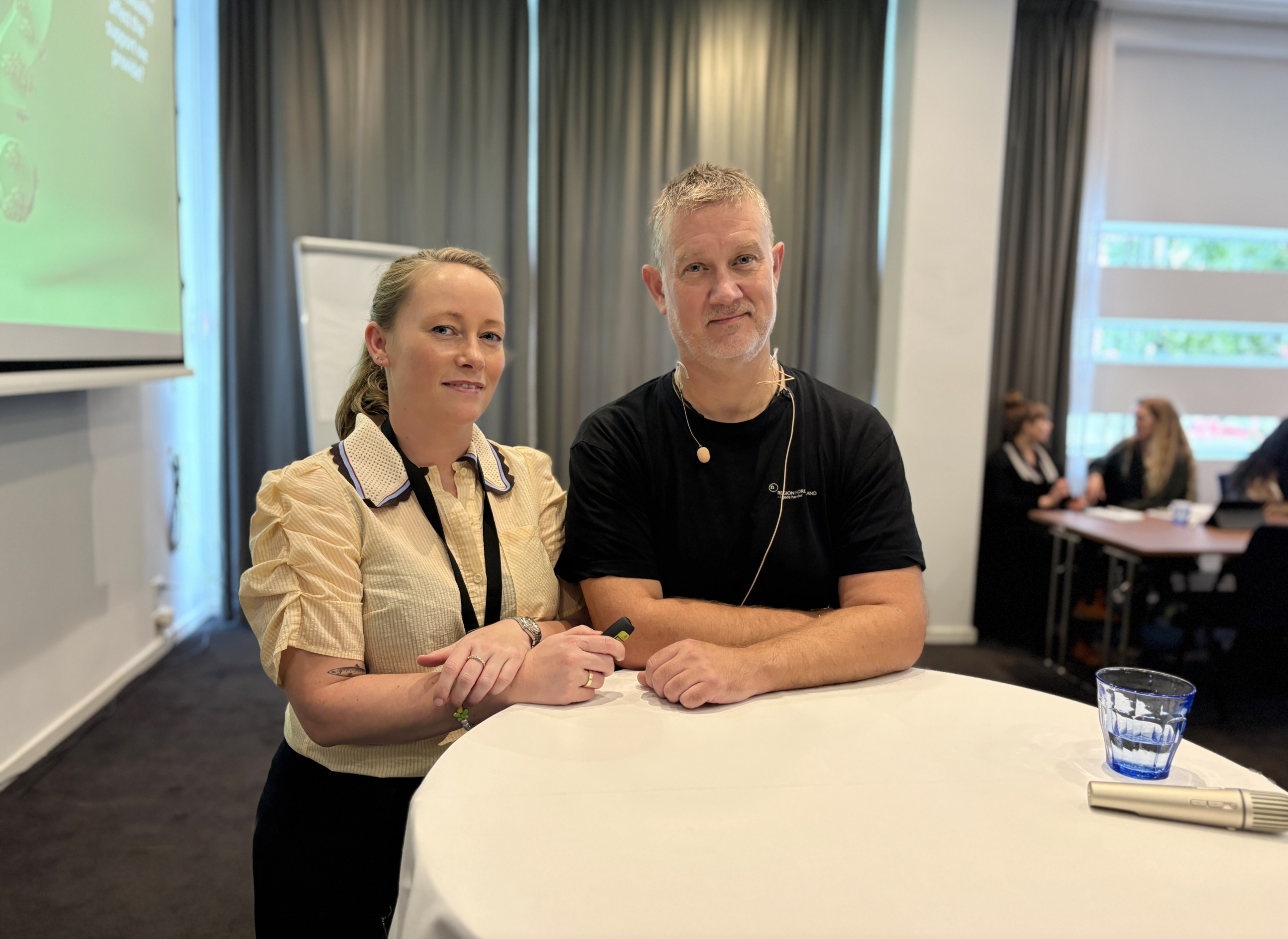
Helle Simone Chræmmer Hviid and Morten Axelgaard Christiansen led the workshop on sexuality and deafblindness.
Professional approach for sexual situations
For persons working with deafblindness, sexuality should be approached professionally. Examples at the workshop highlighted the importance of safe relationships, communication, predictability and sensory regulation.
– I think it’s important to look at these kinds of situations with professional glasses, because that makes it easier, Helle Simone Chræmmer Hviid says.
In situations that become challenging, professionals are advised to respond calmly and without shame. They should focus on preventing harm, offer alternatives for regulation, and support privacy.
– Sexuality is a part of being human. You can’t deny a person a form of sexuality just because they’re deafblind. Sometimes we forget that part of the whole human being, says Morten Axelgaard Christiansen.
Need for tactile sex education material
At the Nordic Conference on Deafblindness, the participants in the workshop agreed that communication about sex is often linked to taboos, and that it can be difficult to talk openly about the subject.
– Human rights are clear regarding the right to sexuality, but when it comes to practice, it is a grey zone, one of the groups concluded.
An agreement between persons with deafblindness and the staff supporting them can make the situation easier and more comfortable for everyone involved. The participants also highlighted the need for tactile sex education material.
Nordic co-operation on sexuality and deafblindness
Because deafblindness is a small field, co-operation across institutions and national borders is essential. A Nordic work group on sexuality and deafblindness has recently been established. Over the next two years, the participants will focus primarily on gaining a better understanding of how issues related to sexuality and deafblindness are viewed and addressed across the Nordic countries, while sharing experiences and knowledge.
In the longer term, the collaboration may also contribute to the development of joint materials and courses. The aim is to support professionals.
– Professionals need deeper knowledge and stronger competence to support people with deafblindness in a sensitive, respectful and professional manner in matters relating to sexuality, sexual health, relationships, identity and sexual expression. Greater knowledge can improve how people are supported and create a greater sense of confidence in conversations about an area that may be perceived as sensitive and, at times, taboo. Through Nordic cooperation, we can build on existing experience, share knowledge and continue to develop professional ethics in this field, says Ulrica Broddstedt, senior adviser for the deafblindness field at the Nordic Welfare Centre.