
Currently an estimated 500,000 people in the Nordic countries have dementia, and the numbers are on the rise. The corresponding figure for the European region is 10 million people and the number is projected to almost double over the coming decades.
Dr. Stefania Ilinca at WHO Regional Office for Europe underlines that these are alarming numbers:
– While we can estimate the significant costs to health systems to an approximate US $300 billion, the implications for the quality of life of people living with dementia on their families is incalculable.
As there is no existing cure, it is vital to implement preventive measures that promote brain health and mitigate the challenges of living with dementia.
– Such statistics bring a clear message. In the absence of a disease modifying treatment, we are facing a moral and economic imperative to accelerate investment in the prevention of dementia, and equally, investment in ensuring access to dignified care. A continuum of care services that spans from prevention to rehabilitative, long-term assistive and palliative care, Dr. Ilinca says.
Dr. Stefania Ilinca is one of the presenters at the upcoming conference on preventing dementia in the Nordics, arranged by the Nordic Welfare Centre. The topic of her presentation is the WHO recommendations on dementia prevention and brain health promotion.
WHO evidence based guidelines
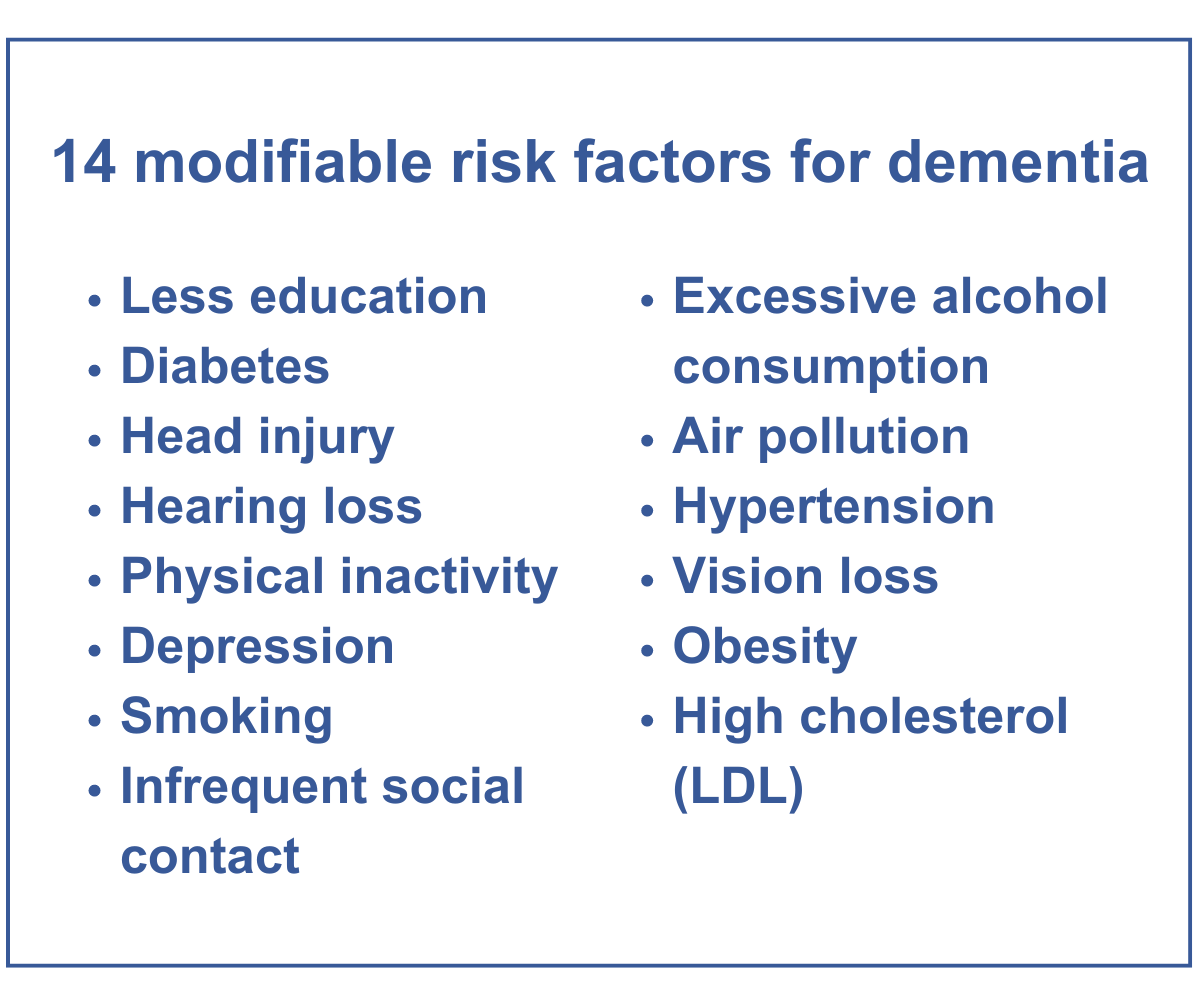
The WHO guidelines for risk reduction of cognitive decline and dementia are based on a detailed review and appraisal of the existing evidence base and distill key recommendations for reducing the impact of potentially modifiable risk factors.
In addition to their many other health benefits the guidelines suggest – in line with the Lancet Commission – that physical activity, tobacco cessation interventions, weight-, hypertension- and diabetes-management should be recommended.
As many of the risk factors for dementia are shared with other noncommunicable diseases, the recommendations in the guidelines can be easily integrated into prevention programmes for tobacco cessation, nutrition or cardiovascular disease risk reduction.
Risk reduction across the life-course
In 2022, WHO published a position paper on brain health, which charts a pathway for optimizing brain functioning at every stage of the life course. From the first years of life all the way to the end of life, including in the presence of brain disease.
– Even in the presence of dementia, brain health can be optimized to promote the inclusion, wellbeing, and dignity of the person living with dementia. If we reconsider dementia from the perspective of brain health we can develop a more positive narrative, which can reduce stigma and empower people living with dementia. There are always measures we can take to protect the brain, to delay or to slow down further decline in cognition and functioning, as well as to reduce exposure to further risk, Dr. Ilinca says.
Despite the scientific evidence and knowledge in the Nordic countries on how to prevent dementia, public awareness of inequalities in risk exposure, prevalence, diagnosis and access to care for dementia remains low.
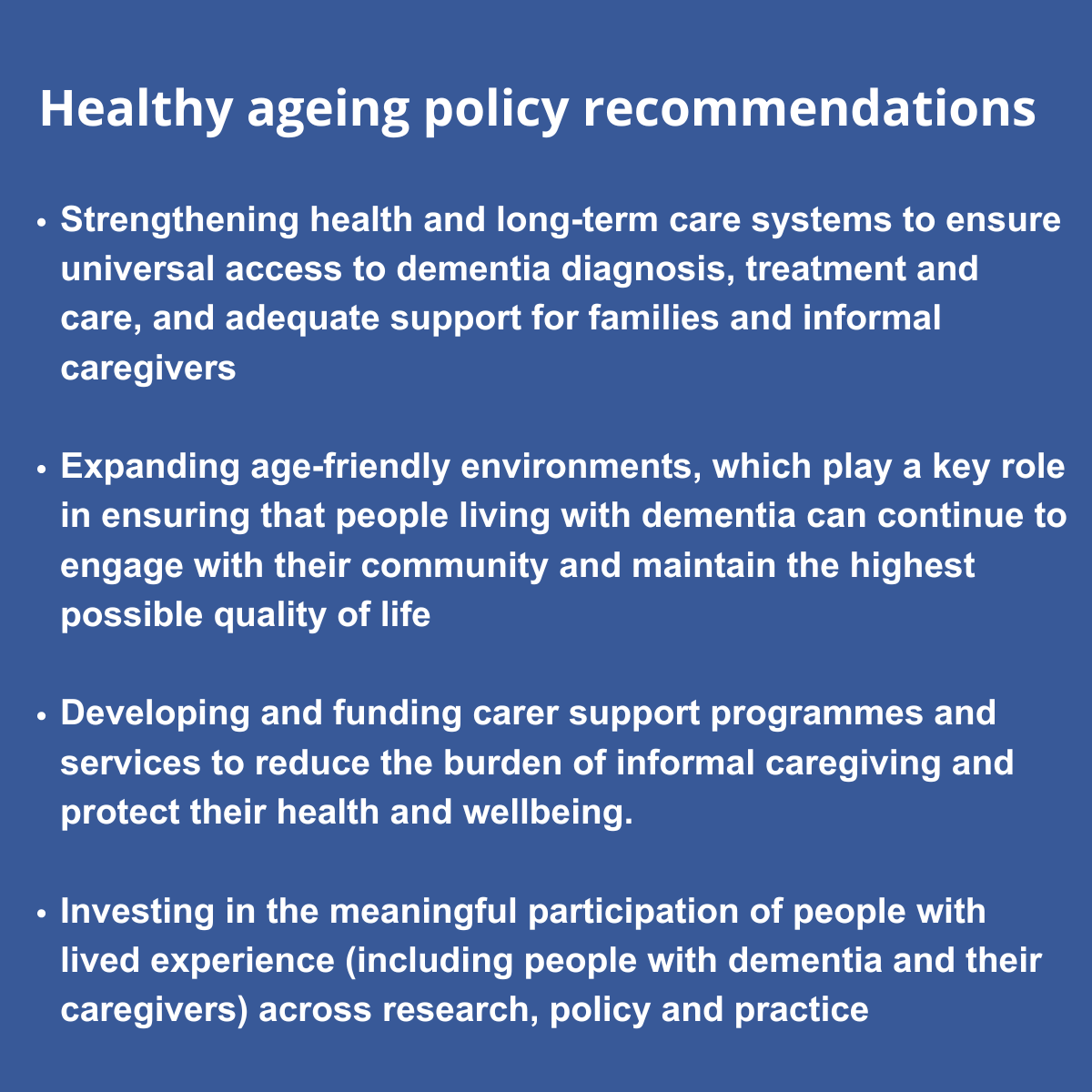
– There is a need to invest in increasing awareness of the diversity of needs across the population and in healthy ageing policies that can offset their unequal impact across the life course. Furthermore, we must accelerate investment in the development of person-centered care models, which are better suited to respond to increasingly complex and diverse needs in an ageing population, Dr. Ilinca says.
Top photo: Dr. Stefania Ilinca, WHO Regional Office for Europe, during Walking the Talk for Dementia that took place in Northern Spain from August 25 to Sepember 1, 2024. In the picture accompanied by Enzo Rosso, medical student and part of the organizing team. Photo: Joao Barbosa and Max Schulte.