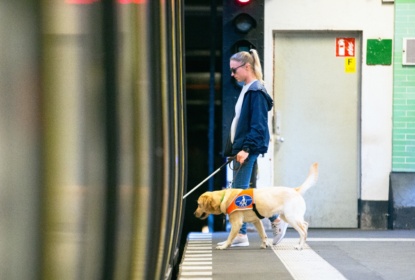
Young people and adults with disabilities are employed to a lesser extent than the rest of the population. This project will examine how the Nordic countries can overcome these differences by means of technology, digitalisation and innovation.
High employment is a cornerstone of the Nordic welfare model, and is also an important factor in the competitiveness of the Nordic countries. Everyone should have the opportunity to get a job and have a good working life. People with disabilities experience lower employment rates compared to the rest of the population. They also face greater challenges in their working lives. This project aims to strengthen the viability of the Nordic welfare model by examining, gathering and disseminating knowledge about digital and technical solutions that increase inclusion in working life for more young people and women and men with disabilities.
There is particular focus on young people with disabilities, including the critical factor of the transition from education to work. The project will also reveal the need for research and innovation in a future perspective.
The project consists of four parts:
- A compilation of knowledge based on research, research needs and evidence-based knowledge of digital and technical solutions.
- A collection of examples of digital and technical solutions implemented in the Nordic region.
- A toolkit for implementing digital and technical solutions. The main target group is employers, employees and relevant professions.
- Dissemination of knowledge through webinars, seminars and other information initiatives.
The project will be carried out in 2020-2021.