Distance spanning solutions in health care and care can allow people to live in remote areas and still have access to good quality services. But how can we measure the climate impacts of these solutions? Our report looks at ways of measuring impacts and sustainability synergies.
As an example, clients living at home might need help taking their medicine several times a day. If a medicine robot placed in the client’s home can give the right amount of medicine, it means that a care professional will not have to drive to the patient to give him or her the medicine. This reduces CO2 emissions and has several other positive impacts.
The report Distance spanning solutions in health care and care: Climate impacts and sustainability synergies looks at how the impacts can be measured.
Climate impacts of medicine robot services
In Part 1 of the report, medicine robot services in Päijät-Häme wellbeing services county in Finland are used as an example. The study identifies the positive and negative impacts on clients, care professionals and service organisations and society. Both the climate perspective and the social perspective are used. The authors have used interviews with care staff and technology suppliers as well as statistics from the county and materials reporting on the use of the medicine robots.
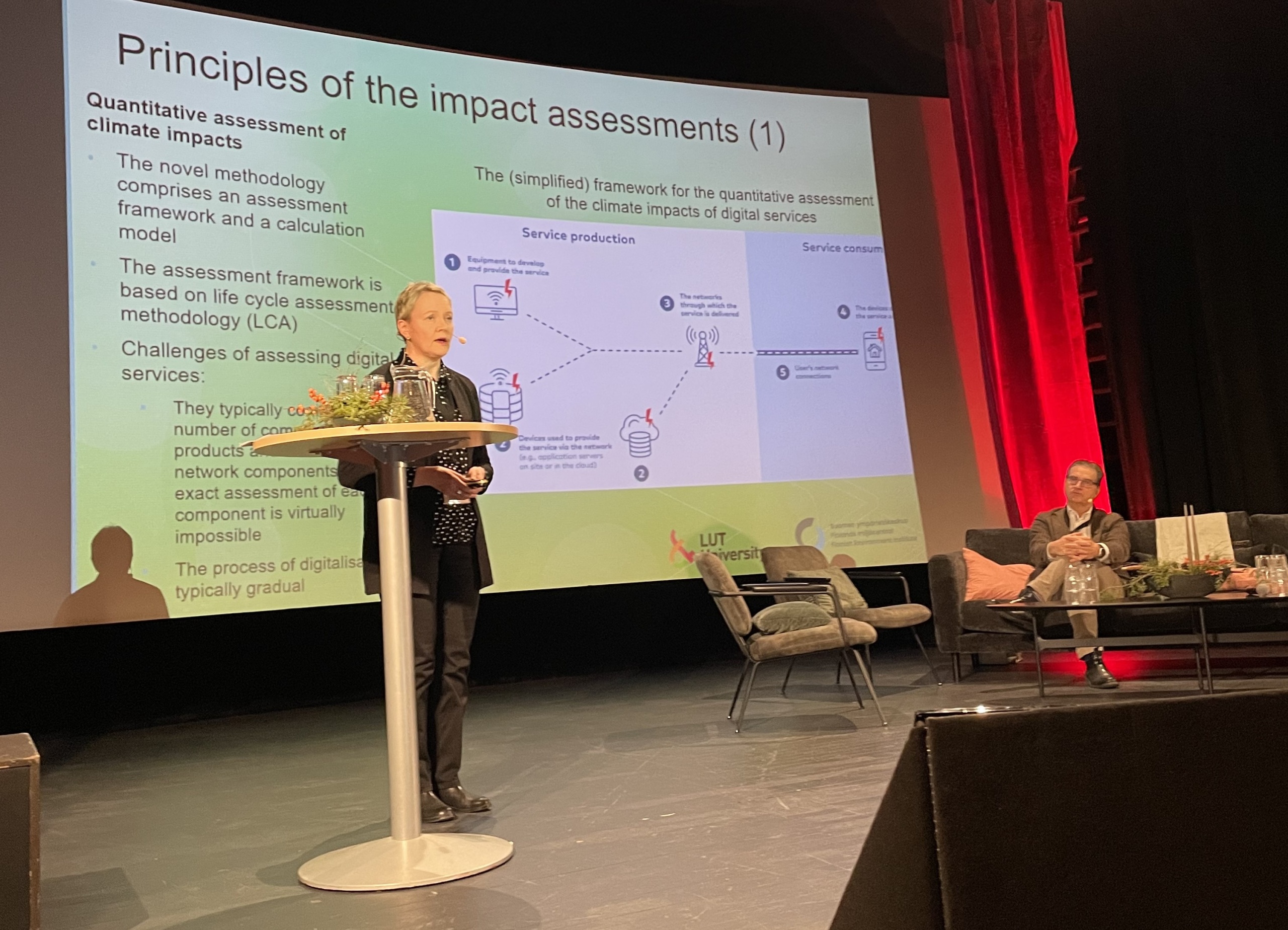
– The conclusion from this research was that when a digital service is well planned and well implemented, it is likely to be a climate friendly option. But there are always negative climate impacts as well, says Helinä Melkas, professor at LUT University, underlining the need for multi-perspective and multi-method impact assessments.
As part of the study, a new climate impact assessment method was developed and is available for everyone online.
– It’s based on both the qualitative and quantitative climate impact assessments and there are three steps. First of all, identifying the most significant impacts, then calculating the climate impacts and then considering improvement possibilities, says Helinä Melkas.
Sustainable development goals as guidelines
Part 2 of the report aims to broaden the perspective on the potential impacts of digitalisation in the Nordic welfare sector to include both climate impacts and social, economic and other environmental dimensions.
To ensure a scope that is broader than the impacts of climate change alone, the authors use the UN’s 17 Sustainable Development Goals (SDGs). The SDG Synergies tool is open source and freely available online.
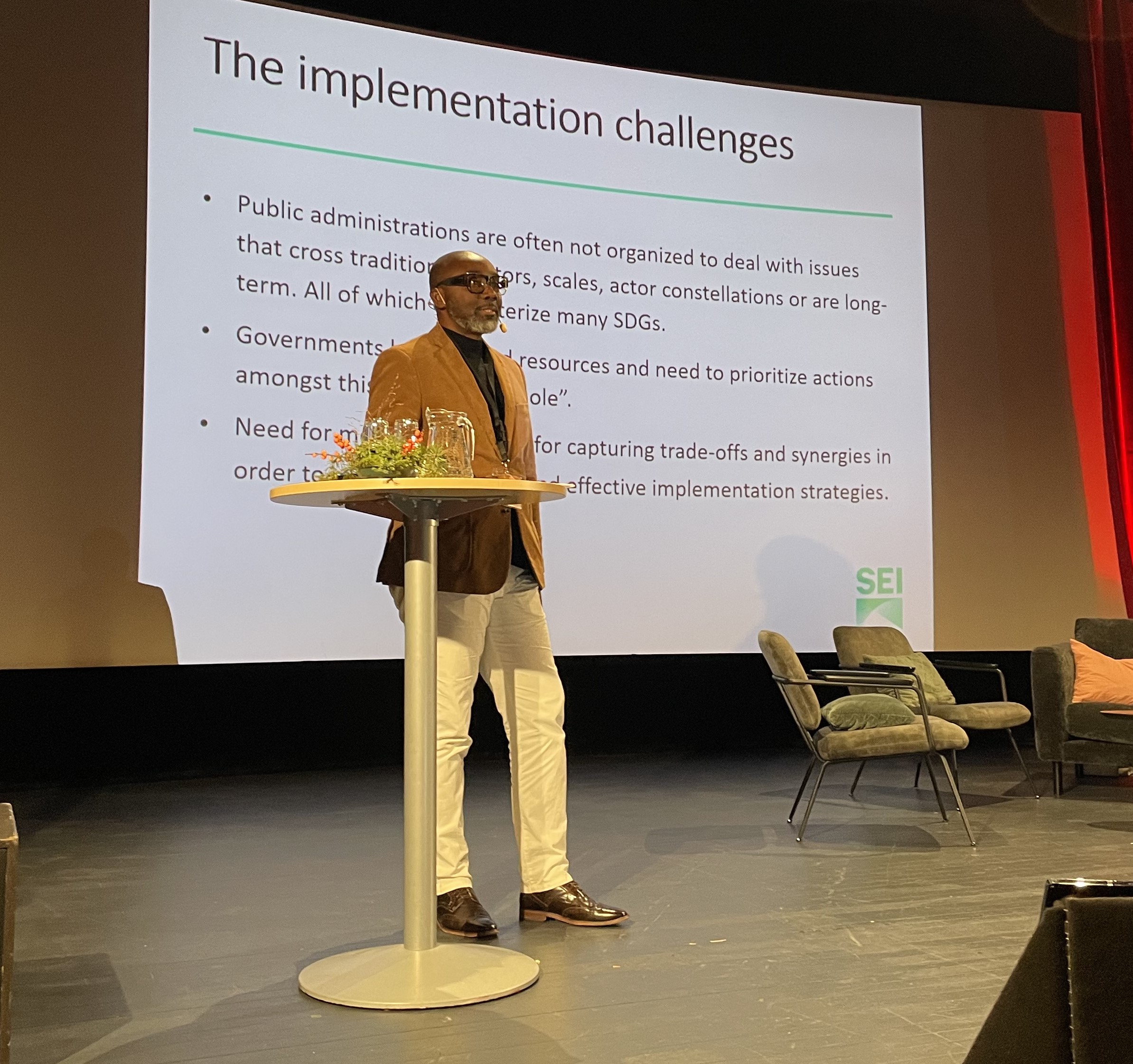
– There is a need for methods and tools for capturing trade-offs and synergies between the goals in order to make more robust and effective plans and implementation strategies, explains Nelson Ekane, PhD and Research Fellow at Stockholm Environment Institute (SEI).
Examples like medicine robot services, digital night monitoring and smart video technology were examined with the SDG synergies tool in a multi-stakeholder workshop, and the results are presented in the report.
– Thinking systematically and comprehensively about the likely SDG synergies and conflicts associated with the transition to distance spanning solutions in health and social care is best done with tools that support systematic examination of possible interactions of the SDGs in a co-creation process involving multiple value chain stakeholders with different expertise and experiences, says Nelson Ekane.
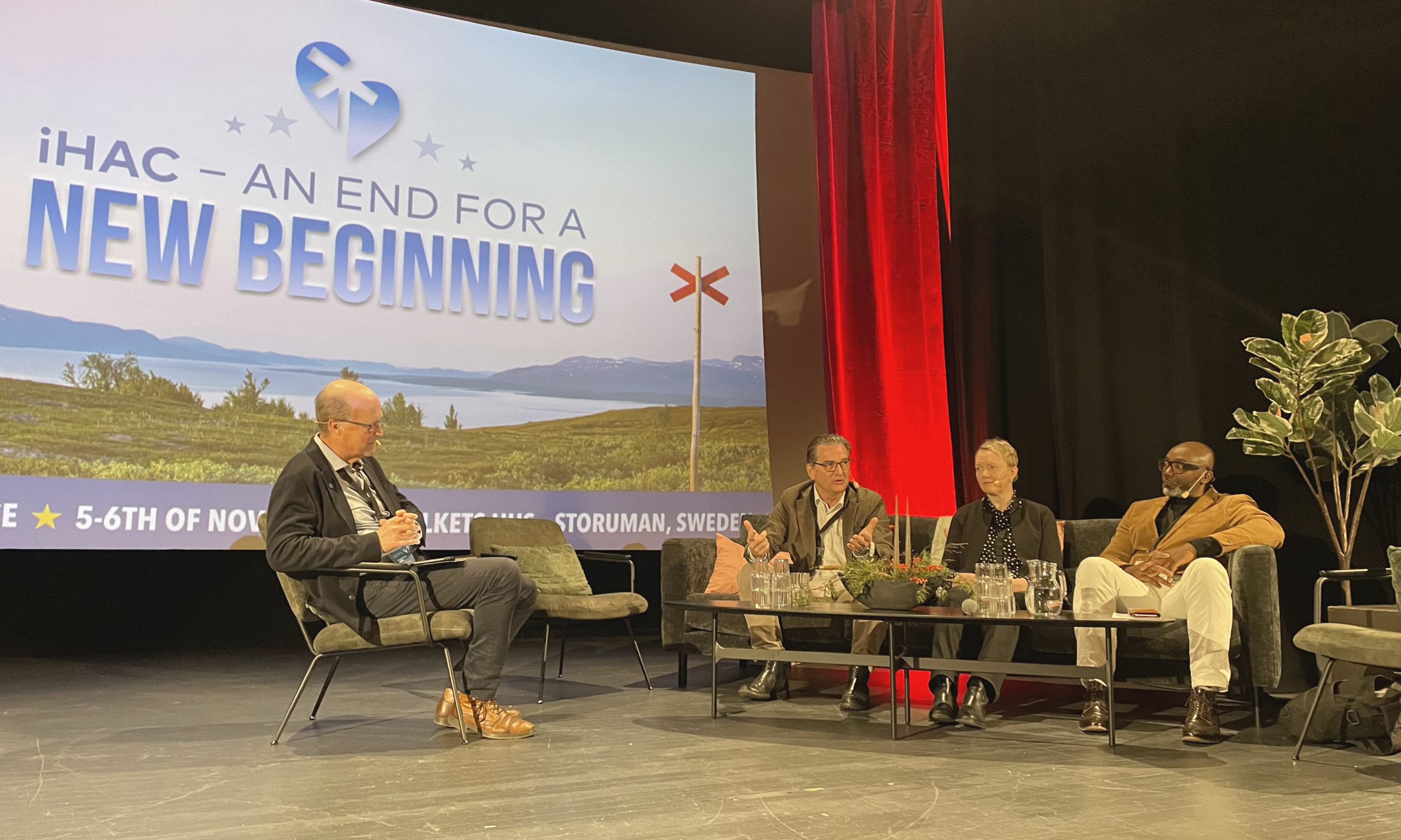
“A curious approach”
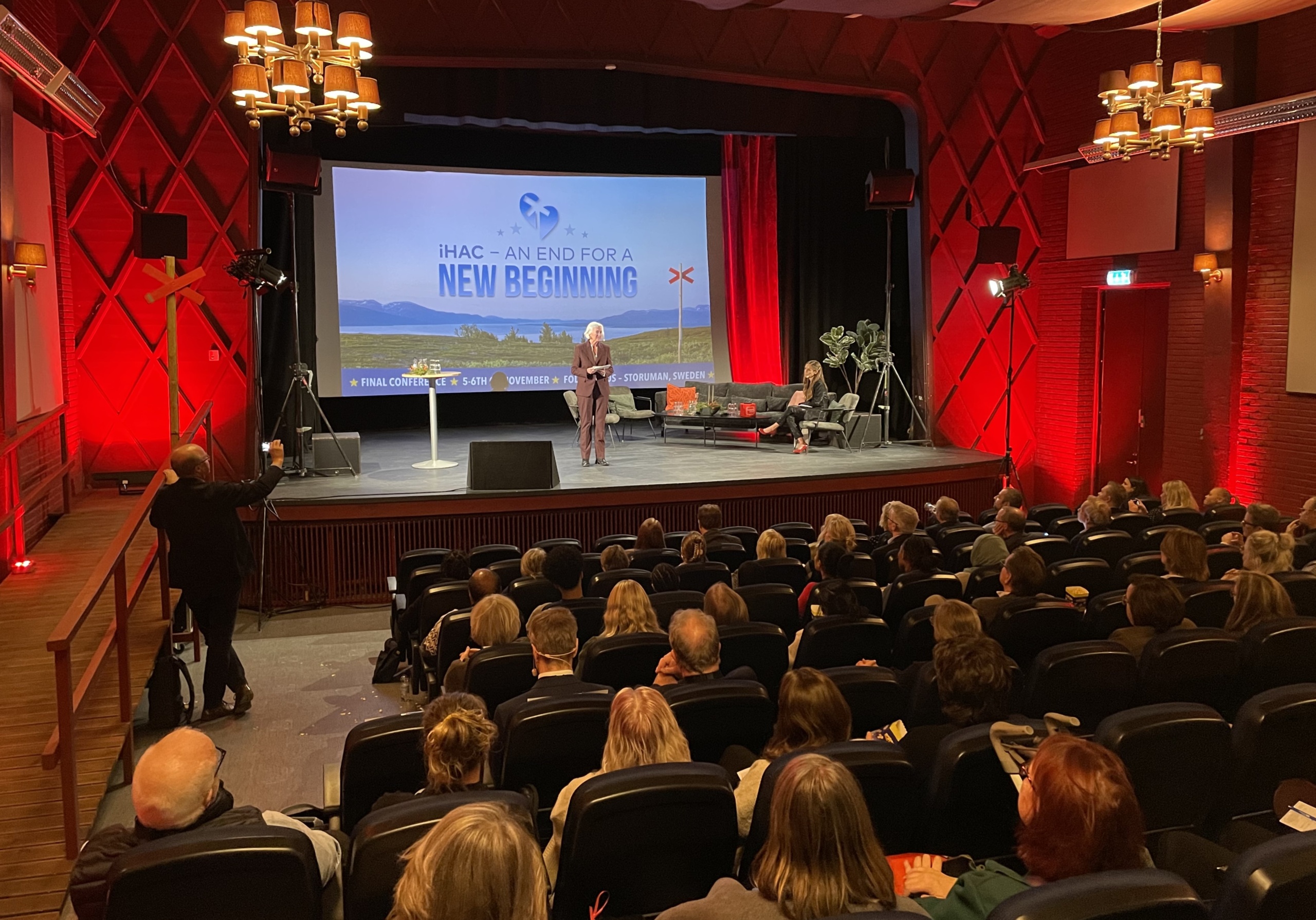
The report was launched at the end conference for the iHAC project in Storuman, Sweden in November 2024. Swedish Minister of Health Care, Acko Ankarberg Johansson pointed out that the challenges related to welfare technology are the same in the Nordic countries, and that sharing experiences in the project – and its around 45 subprojects – has led to Nordic added value.
– You have had a curious approach throughout the project, and always focused on solutions instead of challenges or problems. You have shown in a very concrete and inspiring way how the transformation of healthcare and care can be done in practice, says Acko Ankarberg Johansson.