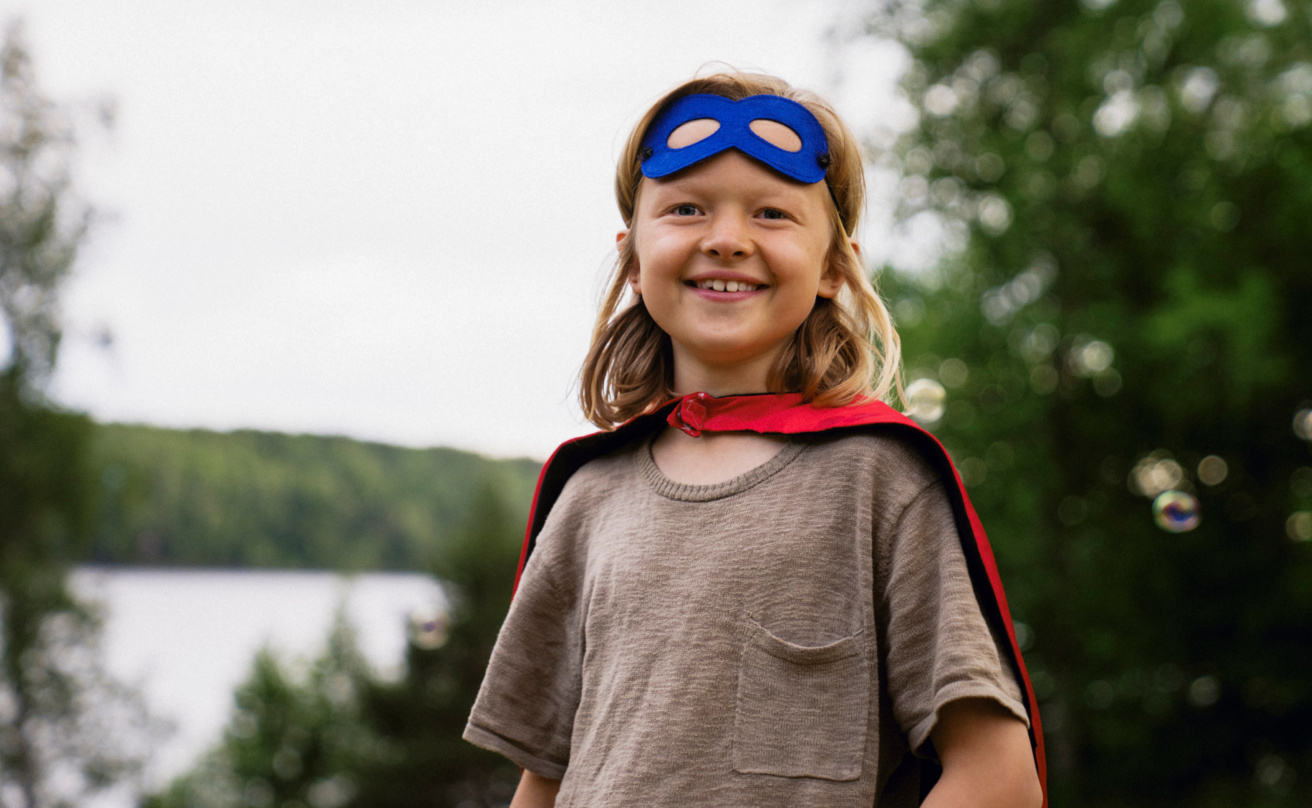
Play and leisure have a value. The UN Committee on the Rights of the Child emphasises that play is something children initiate and direct themselves, and that children also need time and space free from demands, performance expectations and organised activities. At the same time, play, leisure and culture contribute to health, well-being, social connection and a sense of belonging, and can help prevent loneliness and social exclusion.
The Committee also notes that the rights set out in Article 31 often receive insufficient attention. Not all children have the same opportunities. Children growing up in low-income families, children with disabilities, children seeking refuge, children in care, and children from Indigenous peoples and national minorities are at greater risk of being excluded.
This is documented in our report Leisure – An anchor when It storms. When society shut down during the pandemic, schooling was prioritised while leisure activities often received less attention. Young people from low-income families, young people with disabilities and young people experiencing mental ill health were affected most severely. The report shows that social connection, low-threshold meeting places and trusted adults are what make leisure a source of protection: an anchor when it storms.
The network brings together stakeholders to share knowledge, experiences and ways of working across national borders, so that more children can enjoy access to rest, leisure, play and culture in their everyday lives.
The network is run jointly by the participating organisations. The Nordic Welfare Centre participates as one of the partners and shares knowledge from our work within the area of operations Children and young people.