Chapter 3
A new way to conduct video analysis: The power of multiple perspectives
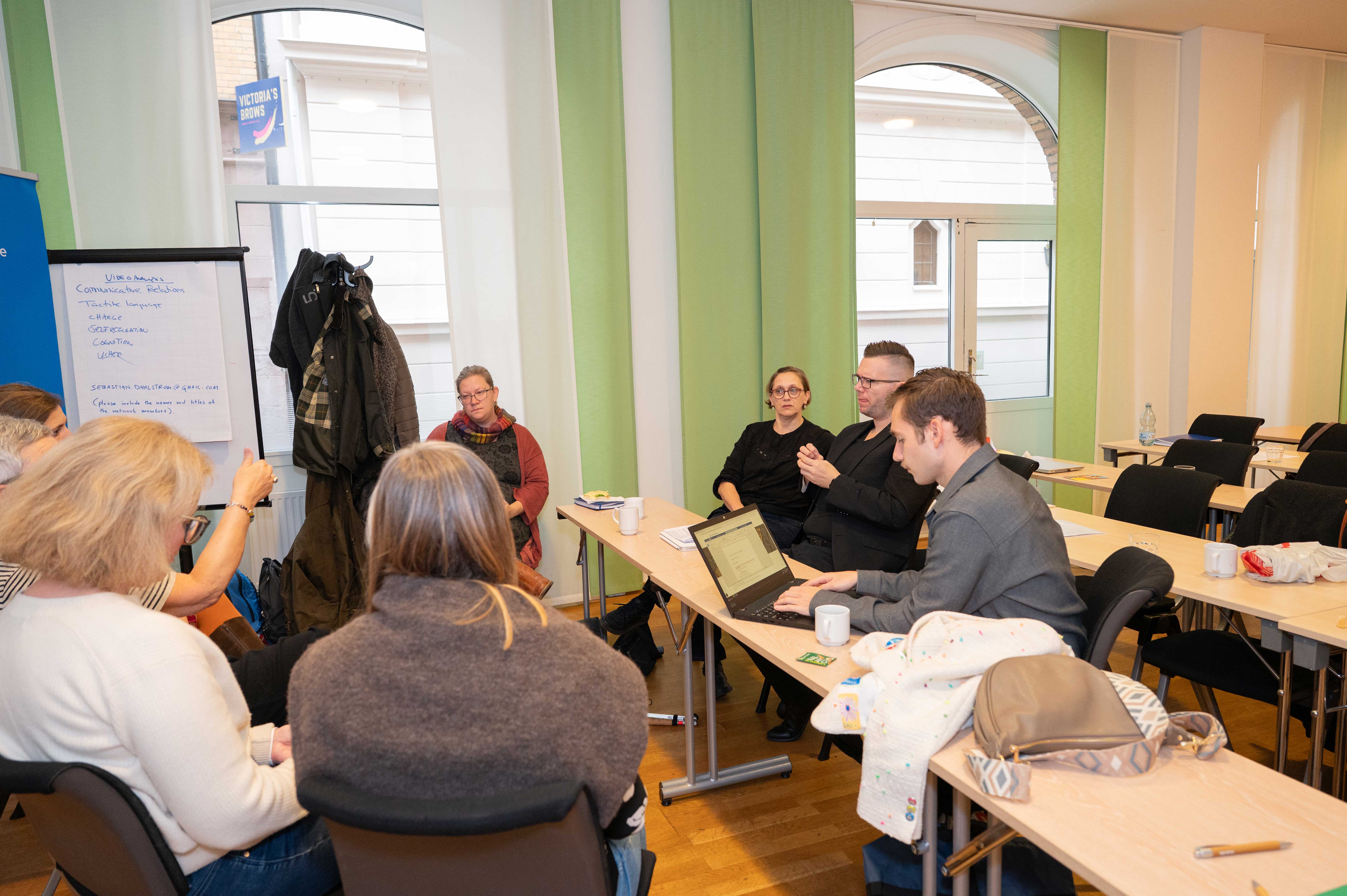
The main purpose of the network seminar was to conduct and present a video analysis. All the networks were tasked with analysing the same video, and each offered a unique perspective based on its distinct theoretical framework.
Before proceeding to the results and discussions of the video analyses in chapter 4 of this report, this chapter provides a theoretical background to video analysis and how it is being used within the deafblind field.
The camera gives you several sets of eyes
Video analysis has been used for better understanding deafblind individuals since the 1980s. It is widely regarded as a very powerful tool for gaining a deeper understanding of a deafblind person and what he or she is communicating.
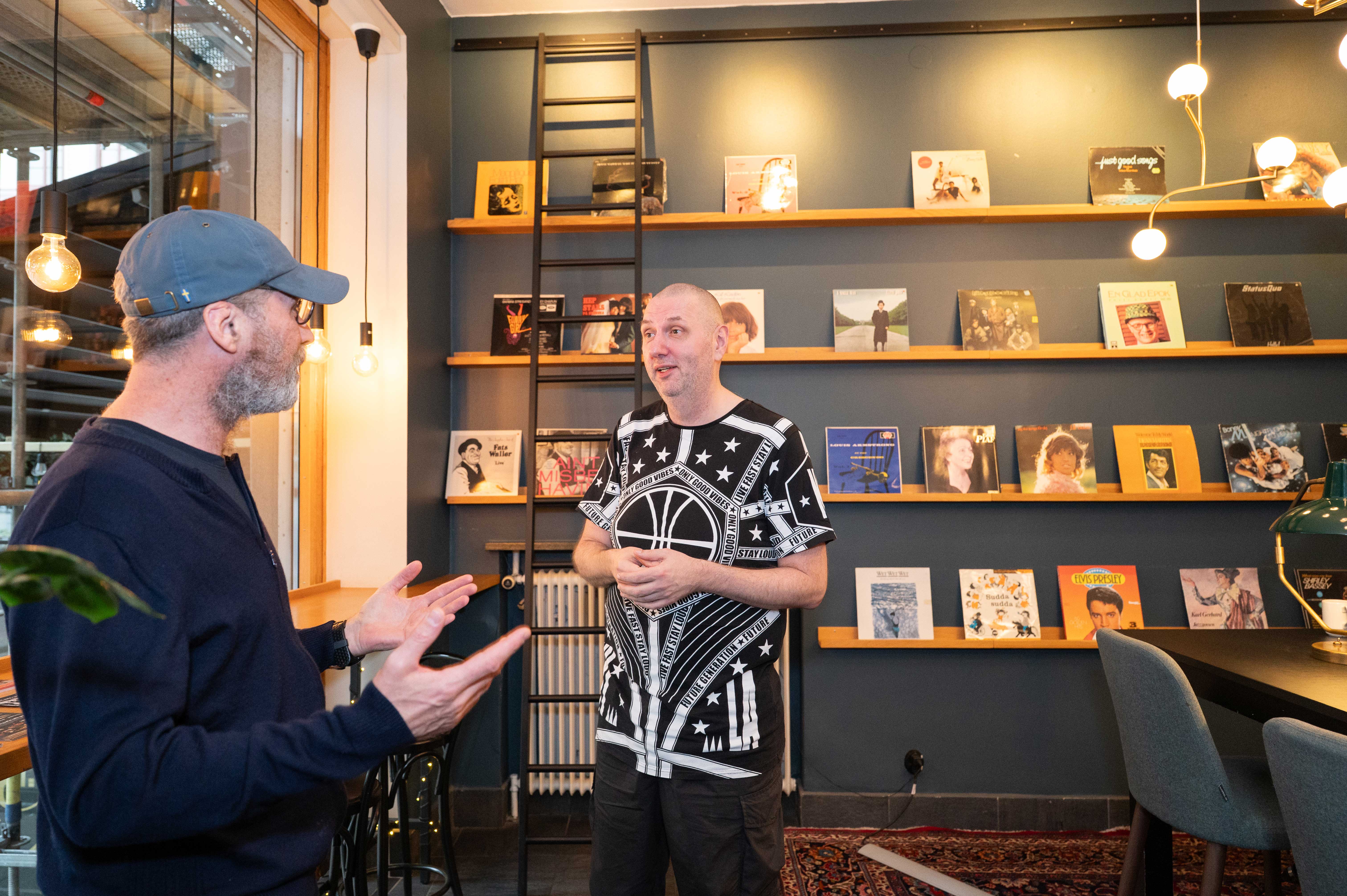
Gøran Forsgren, Senior Adviser on deafblind issues at the Nordic Welfare Centre, who arranged the network seminar, describes video analysis as the “camera giving you several sets of eyes”.
– In a real-life face-to-face interaction with a client, the partner will see only a fraction of the communication. 80–90% is usually missed. In contrast, by looking at a video and being able to go back and forth, change speed, stop, and look at certain parts of the interaction in depth, the understanding of the situation becomes much deeper.
– In a real-life face-to-face interaction with a client, the partner will see only a fraction of the communication. 80–90% is usually missed. In contrast, by looking at a video and being able to go back and forth, change speed, stop, and look at certain parts of the interaction in depth, the understanding of the situation becomes much deeper.
In the field of deafblindness, video analysis has frequently been used to understand various aspects of an individual’s development and the relationships they form. Traditionally, video analysis has focused on a single perspective at a time, such as social relations or communication. Course: Video analysis – A holistic perspective | NVC
But in recent years, voices have been raised within the deafblind field on the importance of video analysis from a more holistic perspective. Different viewpoints can add different layers of analysis, and thus, a more nuanced and multi-faceted view of the deafblind person being analysed emerges. Holistic video analysis gives deeper insights into the communication of persons with deafblindness | NVC
A rare abundance of perspectives
The type of analysis conducted at the network meeting, where six networks all bring their unique perspective to the same video analysis, is rare.
– Video analysis has been utilised in the field for quite some time, but very often, the focus is on one particular aspect of the person, which reflects the interest and expertise of the people coming together to conduct the analysis. Bringing together multiple perspectives has been done before, but not with as many diverse viewpoints nor over a period of several days, says Dr Paul Hart.
– Video analysis has been utilised in the field for quite some time, but very often, the focus is on one particular aspect of the person, which reflects the interest and expertise of the people coming together to conduct the analysis. Bringing together multiple perspectives has been done before, but not with as many diverse viewpoints nor over a period of several days, says Dr Paul Hart.
Gøran Forsgren adds that Olle, the boy who was the subject of the video analysis at the network seminar, really stood out as a person when viewed from so many perspectives.
– It was amazing. Sometimes, the deafblind field can seem like floating islands of knowledge, and this exercise strengthened the bridges between them. The way each network conducted the analysis in the same setting allowed us to see the person in a more holistic way, which is something we have not done extensively previously, Gøran Forsgren says.
– It was amazing. Sometimes, the deafblind field can seem like floating islands of knowledge, and this exercise strengthened the bridges between them. The way each network conducted the analysis in the same setting allowed us to see the person in a more holistic way, which is something we have not done extensively previously, Gøran Forsgren says.
Dr Paul Hart agrees. He underscores the importance of new knowledge and insights that were generated during the network meeting.
– As the days progressed, it revealed more than we initially anticipated. Both in the instances where the networks found similar things and where they discovered something very different, the results were equally powerful.
The following chapter gives an overview of the different perspectives the networks focused on when they analysed the same video clip at the network seminar in Malmö.
– As the days progressed, it revealed more than we initially anticipated. Both in the instances where the networks found similar things and where they discovered something very different, the results were equally powerful.
The following chapter gives an overview of the different perspectives the networks focused on when they analysed the same video clip at the network seminar in Malmö.
Photos: Sigve Nedredal