4. Recommendations for future crises
Recommendations on participatory structures for decision makers, insights from Nordic youth
Lisa Sjöblom, Child Rights Expert, Fasil
As one of the authors of the report Child and youth participation during crisis, Lisa Sjöblom, presented some of its key recommendations for decision-makers in the Nordic region.
– The purpose of this project was to provide detailed recommendations on how the right to participation can be secured during a crisis. We used lessons from the Covid-19 pandemic, but our aim was to build better Nordic preparedness for child and youth participation during any future crisis.
The process included focus groups with child and youth representatives and decision-makers, as well as a conference on the topic. The recommendations in the report are mainly supported by the young people taking part in the project and are as follows.
Establishment of participatory structures. It is essential to establish strong frameworks for youth participation before a crisis arises. This comprises, among other elements, crisis plans as well as simulations and training.
The process included focus groups with child and youth representatives and decision-makers, as well as a conference on the topic. The recommendations in the report are mainly supported by the young people taking part in the project and are as follows.
Establishment of participatory structures. It is essential to establish strong frameworks for youth participation before a crisis arises. This comprises, among other elements, crisis plans as well as simulations and training.
Positive attitudes and habits. It is essential to invest time in building relations and creating good habits before a crisis. Decision makers must regard young people as invaluable resources.
Enhance child rights and youth competencies among decision-makers. Educate all decision-makers on child and youth participation and cultivate awareness of the position of power.
Make a knowledgeable and deliberate choice of level and method. Gather youths' perspectives through various methods and provide information through channels that are accessible and relevant to them.
Make a knowledgeable and deliberate choice of level and method. Gather youths' perspectives through various methods and provide information through channels that are accessible and relevant to them.
– If children and young people can’t be involved in a decision, make a conscious choice about it. Never engage in manipulated participation or include young people merely as decoration without actually listening to their perspective, Lisa Sjöblom states.
Inclusion and non-discrimination should be guiding principles in all decision-making, and this principle should also apply to working with young people. As decision-makers, when things go wrong, take responsibility.
The quality of participation in times of crisis. Involve children and youth in decision-making processes before decisions are made, rather than after. Ensure that you inform children and youth about how their input was utilised.
The quality of participation in times of crisis. Involve children and youth in decision-making processes before decisions are made, rather than after. Ensure that you inform children and youth about how their input was utilised.
Never engage in manipulated participation or include young people merely as decoration without actually listening to their perspective
– Lisa Sjöblom, Child Rights Expert, Fasil
Youth leisure - a key to resilience in times of crisis
Åsa Gunvén, Political scientist, Coordinator of a regional knowledge centre for open youth work in Stockholm & Monica Johansson, PhD graduate from Jönköping International Business School
Meaningful leisure may be key to resilience during times of crisis and an essential element of young people’s overall well-being. Presenting the preliminary findings from the report Leisure – an anchor when it storms, which was still being written at the time of the conference, Monica Johansson explains that the aim of the report is to examine what happened to young people when the leisure sector mostly closed down during the pandemic.
– The resilience of youth was impacted by the loss of leisure. Togetherness is a vital aspect of building resilience, and online activities were unable to compensate for this sense of connection. One can't truly experience togetherness in the same way online, Monica Johansson says.
– At football practice, it is not kicking the ball that builds resilience. Resilience is built afterwards, in the dressing room or on the walk together with the coach towards the bus, Åsa Gunvén explains.
– At football practice, it is not kicking the ball that builds resilience. Resilience is built afterwards, in the dressing room or on the walk together with the coach towards the bus, Åsa Gunvén explains.
Some of the points that emerged from the interviews conducted for the report include that, during the pandemic, much attention was directed towards keeping schools open. At the same time, leisure was not regarded as necessary. Changing restrictions made it difficult to adapt, and the youth sector became extremely cautious about taking risks.
– The youth councils and youth umbrella organisations became a kind of hotline for leisure activity organisers, as the youth organisations interpreted the restrictions and could provide clear answers when the organisers contacted them to ask whether they could arrange an activity, Åsa Gunvén explains.
Throughout the pandemic, some leisure activities were able to continue by being moved outdoors or online. However, digital meetings could not replace physical gatherings, as the togetherness in a more profound sense was missing.
– Some groups of young people were lost during the shift to digital, as the threshold was too high. Those who dropped out never returned, and this remains true even after the pandemic, Gunvén says.
Some online activities also shifted focus. Reliable adults proved to be more important for building resilience than the activity itself and simply meeting and talking online was seen as more important than engaging in the leisure activity. At the same time, the loss of safe and guided leisure spaces has had a lasting impact on social skills.
– The youth councils and youth umbrella organisations became a kind of hotline for leisure activity organisers, as the youth organisations interpreted the restrictions and could provide clear answers when the organisers contacted them to ask whether they could arrange an activity, Åsa Gunvén explains.
Throughout the pandemic, some leisure activities were able to continue by being moved outdoors or online. However, digital meetings could not replace physical gatherings, as the togetherness in a more profound sense was missing.
– Some groups of young people were lost during the shift to digital, as the threshold was too high. Those who dropped out never returned, and this remains true even after the pandemic, Gunvén says.
Some online activities also shifted focus. Reliable adults proved to be more important for building resilience than the activity itself and simply meeting and talking online was seen as more important than engaging in the leisure activity. At the same time, the loss of safe and guided leisure spaces has had a lasting impact on social skills.
– Since the pandemic, the level of conflict among young people has risen. Every second young person experiences challenges in maintaining social relationships. One in five young individuals encounters significant difficulties in this area.
The loss of leisure affected different groups of youth unevenly. LGBTQIA+-youth, youth with disabilities, youth with fewer economic and social opportunities, youth living further from participation, and girls were more severely impacted than others.
The role of leisure, and the cornerstone in building resilience, are captured by four key words: ‘Having’, ‘Doing’, ‘Loving’, and ‘Being’. This concept was borrowed by other researchers in the field.
The role of leisure, and the cornerstone in building resilience, are captured by four key words: ‘Having’, ‘Doing’, ‘Loving’, and ‘Being’. This concept was borrowed by other researchers in the field.
In light of this study, looking at leisure as a resilience provider, ‘Having’ corresponds to safe leisure spaces, supportive adults, and low-threshold inclusion. ‘Doing’ is about participation, responsibility, and personal development. ‘Loving’ corresponds to the feeling of togetherness, emotional support, and social skills, and ‘Being’ relates to the feeling of harmony and balance.
For the upcoming report, some draft recommendations were presented at the conference.
From a longer list of recommendations, the following were highlighted:
For the upcoming report, some draft recommendations were presented at the conference.
From a longer list of recommendations, the following were highlighted:
- Be prepared and ensure contingency planning for leisure activities is in place at all levels.
- Develop policies to support a swift start-up and compensation phase, as relationships with young people are often lost after three months.
- Prioritise meaningful inclusion of young people and maintain clear communication to provide them with information.
- Focus should also be given to offering safe leisure spaces.
Empowering student councils and youth participation in schools
Ragný Þóra Guðjohnsen, Assistant Professor at the University of Iceland & Eva Harðardóttir, Assistant Professor at the University of Iceland
The new report Student councils and democratic participation in the Nordic region was launched during the conference. The study is based on the Lundy Model, a conceptual framework for operationalising children’s right to participate in decisions affecting them.
The researchers collected four types of data: policy mapping, a student survey, information gathered from young experts at youth summits, and interviews conducted with students and teachers.
– The findings from the policy mapping show that student councils are regarded as an essential platform for student participation within Nordic education policy documents. However, in practice, we noticed that students do not always feel that their head teachers are involved or interested in the work of the student council, Eva Harðardóttir says.
The survey revealed that in most schools, a student council exists. However, there are variations among the Nordic countries regarding the level of awareness of these councils among students, their understanding of the issues addressed by student councils, and the extent to which school leaders consider the ideas of student councils.
– This means that the aims and the scope of student councils need to be better introduced in schools, Ragný Þóra Guðjohnsen says.
The researchers collected four types of data: policy mapping, a student survey, information gathered from young experts at youth summits, and interviews conducted with students and teachers.
– The findings from the policy mapping show that student councils are regarded as an essential platform for student participation within Nordic education policy documents. However, in practice, we noticed that students do not always feel that their head teachers are involved or interested in the work of the student council, Eva Harðardóttir says.
The survey revealed that in most schools, a student council exists. However, there are variations among the Nordic countries regarding the level of awareness of these councils among students, their understanding of the issues addressed by student councils, and the extent to which school leaders consider the ideas of student councils.
– This means that the aims and the scope of student councils need to be better introduced in schools, Ragný Þóra Guðjohnsen says.
– During the Covid-19 pandemic, student councils were largely, or in some cases completely, excluded from the decision-making processes when they could have been utilised as an essential platform for communication, Eva Harðardóttir says.
The report also reflects some positive trends and practices, such as broader discussions regarding students’ physical and mental health, among other topics, being addressed through the platform of student councils.
The report concludes with a new model for supporting inclusive and meaningful student councils. The model highlights five interrelated supporting factors, relating to open and inclusive access, clear structures and administration, democratic communication, global values and culture, and meaningful engagement and choice of issues.
The report also reflects some positive trends and practices, such as broader discussions regarding students’ physical and mental health, among other topics, being addressed through the platform of student councils.
The report concludes with a new model for supporting inclusive and meaningful student councils. The model highlights five interrelated supporting factors, relating to open and inclusive access, clear structures and administration, democratic communication, global values and culture, and meaningful engagement and choice of issues.
4.1 Status on the right of children and young people to be heard in the Nordic region, the Nordic Children’s Ombudspersons
The four general principles of the UN Convention on the Rights of the Child are non-discrimination, the best interests of the child, the right to life, survival and development, and the right to be heard.
The right to be heard is central to the work leading up to this conference, as well as to the report on how the children's right to be heard was upheld or overlooked during the pandemic. At the time of the conference, the report was being produced in collaboration with the Nordic ombudspersons for children, Professor Emerita Kirsten Sandberg, and the Nordic Welfare Centre.
The aim of the report is to provide clear, actionable recommendations for establishing stronger participation systems so they can be in place before the next crisis. Crisis preparedness is a central priority of the Finnish-Åland presidency of the Nordic Council of Ministers, with youth participation as a key element.
During the conference, some Nordic ombudspersons for children's rights shared their views on the children's right to be heard in times of crisis.
The aim of the report is to provide clear, actionable recommendations for establishing stronger participation systems so they can be in place before the next crisis. Crisis preparedness is a central priority of the Finnish-Åland presidency of the Nordic Council of Ministers, with youth participation as a key element.
During the conference, some Nordic ombudspersons for children's rights shared their views on the children's right to be heard in times of crisis.
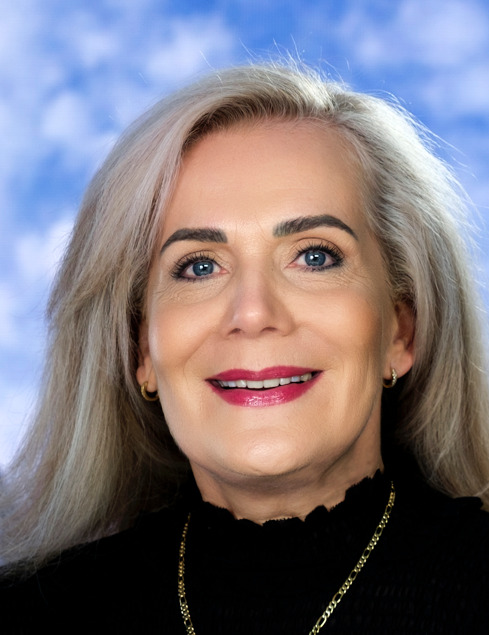
Salvör Nordal, Iceland
– This is a very important topic. We have a great deal to learn from Covid-19, and the results from the ongoing research projects presented at this conference will be highly valuable to us.
Salvör Nordal states that when fundamental rights are at stake, children's rights are often the first to be violated in a crisis. She says it became very apparent during the pandemic that Iceland has not implemented the CRIA, which stands for Child Rights Impact Assessment. This would have been needed when restrictions became stricter.
– We attempted to provide more accessible information for children on our website. We also sought to gather children's perspectives on each decision made, but reaching all families, especially those with an immigrant background, was not possible.
Salvör Nordal states that when fundamental rights are at stake, children's rights are often the first to be violated in a crisis. She says it became very apparent during the pandemic that Iceland has not implemented the CRIA, which stands for Child Rights Impact Assessment. This would have been needed when restrictions became stricter.
– We attempted to provide more accessible information for children on our website. We also sought to gather children's perspectives on each decision made, but reaching all families, especially those with an immigrant background, was not possible.
Salvör Nordal says CRIA would also have been needed in other crises, for example, when families were being evacuated from a volcanic eruption.
Salvör Nordal says her office collected the views of children during the pandemic, but the children were not able to influence the decision-making. This is something Nordal wants to change before the next crisis.
– Children should have a voice in the country's crisis management. My message is that Iceland has to implement CRIA at all levels.
Salvör Nordal says her office collected the views of children during the pandemic, but the children were not able to influence the decision-making. This is something Nordal wants to change before the next crisis.
– Children should have a voice in the country's crisis management. My message is that Iceland has to implement CRIA at all levels.
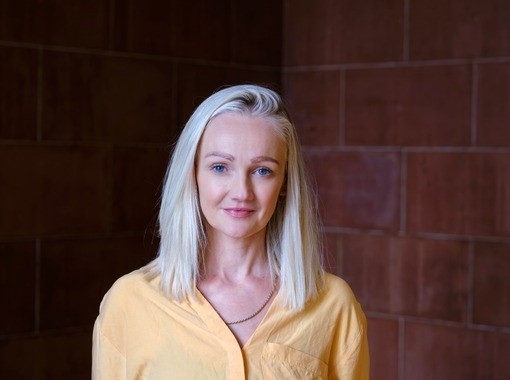
Hanna Vang, Faroe Islands
– We were not as severely struck as many of the other Nordic countries because we are smaller and have a more flexible legal structure. The crisis was not managed as much by law as by recommendation, Hanna Vang explains.
An epidemic committee composed of various experts in society, including police and health officials, made the recommendations. This structure was established long ago during previous epidemics.
– The pandemic committee neither requested a CRIA nor consulted children on the recommendations made. Later, a psychologist was added to the committee, who raised the children's perspective to a certain degree, but not to the level one would desire from a CRIA assessment.
After the pandemic, the student councils in all the schools in the Faroe Islands have been strengthened which will bolster the structures for the next crisis.
– It has become clear that children's voices need to be strengthened.
After the pandemic, the student councils in all the schools in the Faroe Islands have been strengthened which will bolster the structures for the next crisis.
– It has become clear that children's voices need to be strengthened.
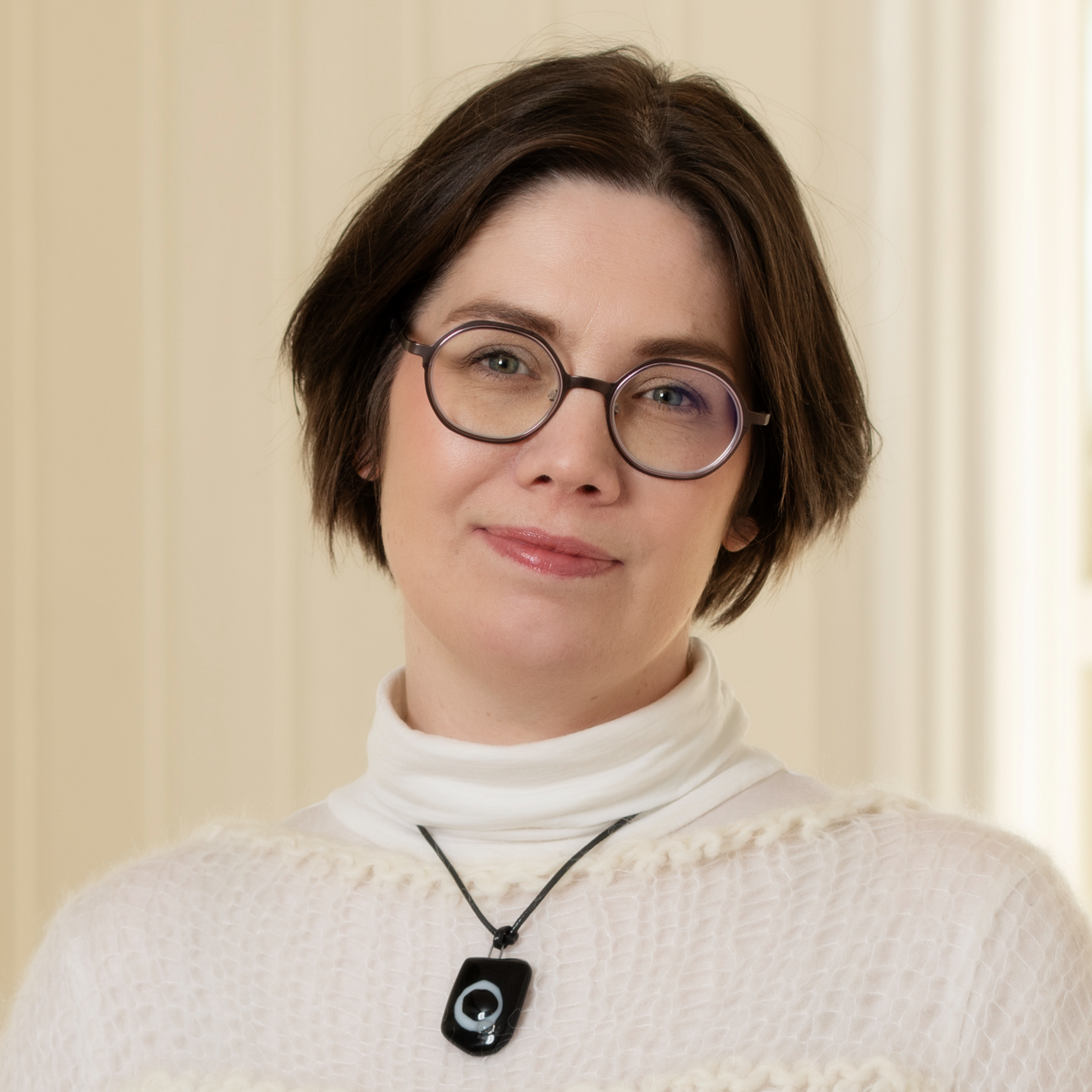
Mina Gerhardsen, Norway
– During the pandemic, our government was not very receptive to public pressure regarding children's needs. Later evaluations concluded that the government failed to protect children during the pandemic. All the decisions were made in good faith, but the government was ill-prepared.
Considering the consequences of the pandemic on children in Norway, the experiences varied, Mina Gerhardsen explains. Children from supportive homes tended to fare better during the pandemic. Conversely, those from challenging family situations experienced a more difficult time during this period.
– You could compare it to a multiplier or a looking glass. It enhanced the existing situation for better or worse.
Mina Gerhardsen says it is hard to exactly pinpoint what causes many of the challenges we are facing now, such as increased mental health problems among young people, crime and school absence.
Considering the consequences of the pandemic on children in Norway, the experiences varied, Mina Gerhardsen explains. Children from supportive homes tended to fare better during the pandemic. Conversely, those from challenging family situations experienced a more difficult time during this period.
– You could compare it to a multiplier or a looking glass. It enhanced the existing situation for better or worse.
Mina Gerhardsen says it is hard to exactly pinpoint what causes many of the challenges we are facing now, such as increased mental health problems among young people, crime and school absence.
– It seems that merely living in a time of global emergency has an impact, irrespective of individual experiences. Additionally, we have existing trends that may or may not have been influenced by the pandemic. What is clear, however, is that children and young people were not included in the decision-making, and the established structures for listening to children were not utilised. It was a lost opportunity.
In future crises, Mina Gerhardsen says, the right of the child to be heard must be taken into account. This means including children's participation and establishing solid structures to prepare for future emergencies.
– We don’t know what the next crisis will be, but we know that it will affect children. And we know that we must do better next time in protecting and including children. We have no time to waste in completing this job.
– We don’t know what the next crisis will be, but we know that it will affect children. And we know that we must do better next time in protecting and including children. We have no time to waste in completing this job.
We don’t know what the next crisis will be, but we know that it will affect children.
– Mina Gerhardsen, Norway
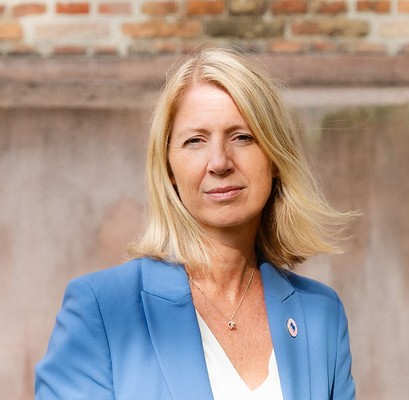
Elina Pekkarinen, Finland
– I believe the Finnish government acted very wisely at the outset. They established a specific independent scientific panel comprising individuals from various disciplines, and they invited me to participate as well, which was an excellent way to incorporate children's and young people's perspectives into the panel's work.
Elina Pekkarinen regrets that the financing of the panel was cut short, which led to the long-term assessments of the consequences of the recommendations being missed.
– I think the pandemic in Finland forced us to find new methods of listening to children and young people. However, it revealed that our crisis plans do not sufficiently take children into account. This is a problem still. We have not yet discussed the scary thing of how to protect our children if the next pandemic should be fatal to them.
Elina Pekkarinen states that drawings by nine-year-olds were collected in the summer of 2020, depicting how the children perceived the pandemic.
– They drew pictures of death, hospitals, and being frightened. I think the children were more ready to talk about these themes than we adults.
Elina Pekkarinen regrets that the financing of the panel was cut short, which led to the long-term assessments of the consequences of the recommendations being missed.
– I think the pandemic in Finland forced us to find new methods of listening to children and young people. However, it revealed that our crisis plans do not sufficiently take children into account. This is a problem still. We have not yet discussed the scary thing of how to protect our children if the next pandemic should be fatal to them.
Elina Pekkarinen states that drawings by nine-year-olds were collected in the summer of 2020, depicting how the children perceived the pandemic.
– They drew pictures of death, hospitals, and being frightened. I think the children were more ready to talk about these themes than we adults.
In addition to the need for new methods of listening to children, there is also a requirement to integrate the child-centred perspective into all crisis plans, for instance, regarding emergency care. The one recommendation that Elina Pekkarinen identified as most important is international collaboration, both at the Nordic and international levels.
– Nordic and national collaboration can solve many problems, which was shown during the pandemic. I would like to see us have these structures in place for future crises as well. I believe the pandemic highlighted what it means to lose many of the services the welfare state provides for families, children, and young people. I would very much like people to stand up for the Nordic welfare state.
– Nordic and national collaboration can solve many problems, which was shown during the pandemic. I would like to see us have these structures in place for future crises as well. I believe the pandemic highlighted what it means to lose many of the services the welfare state provides for families, children, and young people. I would very much like people to stand up for the Nordic welfare state.
Johanna Fogelström-Duns, Åland.
Johanna Fogelström-Duns says the Åland Islands felt the pandemic in several ways. The normal autonomy of the islands was restricted during the crisis, and the pandemic dealt a particularly hard blow to the Åland economy, which relies heavily on the free movement of people and goods. Furthermore, people were concerned about the health issues affecting their elderly relatives.
– This was a significant issue for the society and government of Åland to address, and I believe they managed it exceptionally well, given our very small administration.
All the Nordic countries have ratified the Conventions on the Rights of the Child, which carry legal obligations. Johanna Fogelström-Duns reminded the audience of Article 2 of the CRC, which states that no child should be discriminated against.
– Yet we know that there are groups of children whose rights are not being fulfilled. We have observed that leisure, for instance, affects different groups of children in varying ways.
Fogelström-Duns says we need to consider how we communicate and how we strengthen various groups to enhance their participation.
– We need to address this now so that there is no form of discrimination - intentional or unintentional - in the future. We need to acknowledge that this work needs resources and provide them.
All the Nordic countries have ratified the Conventions on the Rights of the Child, which carry legal obligations. Johanna Fogelström-Duns reminded the audience of Article 2 of the CRC, which states that no child should be discriminated against.
– Yet we know that there are groups of children whose rights are not being fulfilled. We have observed that leisure, for instance, affects different groups of children in varying ways.
Fogelström-Duns says we need to consider how we communicate and how we strengthen various groups to enhance their participation.
– We need to address this now so that there is no form of discrimination - intentional or unintentional - in the future. We need to acknowledge that this work needs resources and provide them.
4.2 Comments by youth representatives
Jonatan Lamy, President of the Swedish Federation of Student Unions
As the Swedish ombudsperson for children, Juno Blom, was unable to attend the conference, Jonatan Lamy, President of the Swedish Federation of Student Unions, represented Sweden instead.
– I was one of those kids who were affected by education via computer, from 2021 until my graduation. The most striking part was the lack of social connectivity, daily routines, and structures. Two thirds of Swedish upper secondary students reported that they experienced a decline in mental health and well-being.
Jonatan Lamy asserts that a lot relates to preparedness, as Sweden has not been at war for a long time. Most adults in Sweden have never experienced anything like the pandemic, so the preparedness was not up to standard, Lamy states.
– I especially want to highlight one of Kirsten Sandberg's recommendations, which is about engaging youth in civil society in crisis planning. The youth civil society consists of representatives who their peers elect, and this is important because they highlight issues from their specific context. Strengthening collaboration is also vital, as daily relationships influence how effectively they will function in a crisis.
Jonatan Lamy also wants to highlight independence. During the pandemic, there was a strong focus on health and safety, but civil society can bring their own independent focus and continue to do so during a crisis.
Lamy states that it is essential for this discussion not to be overly centred on the pandemic, but rather to focus on preparing for any future crises. Building personal relationships with policymakers is essential.
– This is the ABC of crisis management: if you strengthen the structures now, you will have them when you need them later. We miss out on many good solutions if we do not listen to the youth. It is essential to involve young people and children in emergency planning and to ensure we follow up after the crisis.
Jonatan Lamy asserts that a lot relates to preparedness, as Sweden has not been at war for a long time. Most adults in Sweden have never experienced anything like the pandemic, so the preparedness was not up to standard, Lamy states.
– I especially want to highlight one of Kirsten Sandberg's recommendations, which is about engaging youth in civil society in crisis planning. The youth civil society consists of representatives who their peers elect, and this is important because they highlight issues from their specific context. Strengthening collaboration is also vital, as daily relationships influence how effectively they will function in a crisis.
Jonatan Lamy also wants to highlight independence. During the pandemic, there was a strong focus on health and safety, but civil society can bring their own independent focus and continue to do so during a crisis.
Lamy states that it is essential for this discussion not to be overly centred on the pandemic, but rather to focus on preparing for any future crises. Building personal relationships with policymakers is essential.
– This is the ABC of crisis management: if you strengthen the structures now, you will have them when you need them later. We miss out on many good solutions if we do not listen to the youth. It is essential to involve young people and children in emergency planning and to ensure we follow up after the crisis.
This is the ABC of crisis management: if you strengthen the structures now, you will have them when you need them later.
-Jonatan Lamy, President of the Swedish Fedration of Student Unions

Boas E Høgnesen, Faroe islands
Focusing on the importance of leisure during crises, Boas E Høgnesen noted that there was a lack of sheltered leisure spaces for children and youth during the Covid-19 pandemic.
– As a representative of Faroese children and youth, I recommend better utilisation of easily accessible natural areas. Activities such as hiking, fishing, and exploring are popular, but we need a designated place to meet before and after. Let us invest in this now so this can be put to use in a possible future crisis.
– As a representative of Faroese children and youth, I recommend better utilisation of easily accessible natural areas. Activities such as hiking, fishing, and exploring are popular, but we need a designated place to meet before and after. Let us invest in this now so this can be put to use in a possible future crisis.
4.3 Conclusions, analysis and recommendations
The right of children to be heard, as enshrined in Article 12 of the UN Convention on the Rights of the Child, is more than a democratic principle. It is a fundamental human right that obligates adults to give genuine weight to children’s views in all matters affecting them. This right is not symbolic — it must be operationalised in practice, especially during crises when decisions have profound impacts on children’s lives.
Kirsten Sandberg, Professor Emerita, the University of Oslo
Professor Emerita Kirsten Sandberg, former Chair of the UN Committee on the Rights of the Child, presented recommendations aimed at strengthening the implementation of Article 12 of the UN Convention on the Rights of the Child across the Nordic region.
These recommendations were developed in collaboration with the Nordic Children’s Ombudspersons and served as a central input to the conference discussions. Participants —including youth representatives — were invited to provide feedback and contribute to the finalisation of the report Participation is protection – embedding children’s rights in Nordic crisis governance published at the Democracy Festival in Arendal in August 2025. It was the sixth in a series of seven publications from the project. The report builds on Sandberg’s legal analysis, insights from the ombudspersons, and contributions gathered during the conference. It offers concrete proposals for how children’s right to be heard can be safeguarded in crisis governance — both nationally and through Nordic co-operation.
Integrate children's rights into all actions:
These recommendations were developed in collaboration with the Nordic Children’s Ombudspersons and served as a central input to the conference discussions. Participants —including youth representatives — were invited to provide feedback and contribute to the finalisation of the report Participation is protection – embedding children’s rights in Nordic crisis governance published at the Democracy Festival in Arendal in August 2025. It was the sixth in a series of seven publications from the project. The report builds on Sandberg’s legal analysis, insights from the ombudspersons, and contributions gathered during the conference. It offers concrete proposals for how children’s right to be heard can be safeguarded in crisis governance — both nationally and through Nordic co-operation.
Integrate children's rights into all actions:
Crisis legislation should explicitly incorporate children's rights, including the right to be heard and the best interests of the child. National and local action plans for crisis preparedness and response should include specific provisions for safeguarding children's rights.
Civil society organisations should be involved in the development, implementation and monitoring of child-focused crisis strategies. Intersectoral and high-level coordination of children's issues is needed. Data collection is also important; systematic reviews of the impact of crises on children are essential.
Child Rights Impact Assessment (CRIA):
Assessment of the impact on children of any measure, before the measure is adopted. To predict the effect of a proposed policy, legislation, regulation, budget or other administrative decision affecting children. It needs to be built into Government processes at all levels and as early as possible in the development of measures.
The impact assessment should be based on input from children, civil society organisations (CSOs), experts, academic research data, and documented experiences.
Non-discrimination:
Governments need to identify children in vulnerable situations, who are at risk of being marginalised, including those facing poverty, disability, or social exclusion, and provide targeted support to these children.
Best interests of the child:
Best interests of the child:
Ensure that the best interests of the child are a primary consideration in all actions by including them in legislation and in guidelines for preparing legislation, budgets, and policies. Additionally, provide criteria for assessing best interests. Children’s views should be considered central.
Children's participation:
Children's participation:
Establish permanent, inclusive structures for children’s participation at all levels of governance, and ensure they are not forgotten in times of crisis. Provide tailored support to children with disabilities, young children, and those from marginalised communities to facilitate their participation.
Utilise digital and creative tools to facilitate participation and establish national resource centres to support child engagement. Provide ongoing training for professionals working with and on behalf of children and encourage youth involvement in community-based initiatives.
Right to information:
Children have a right to information. This is closely linked to participation but is also an independent right. It is important to provide timely, age-appropriate, and accessible information in relevant languages and formats, including during crises.
Rights to health and education:
Rights to health and education:
School health services must be protected during crises. Ensure access to mental health and psychosocial support services for children. Establish national digital education platforms to guarantee the continuity of learning during emergencies and for children who are unable to attend school in person.
Strengthen Nordic co-operation on children's rights:
Strengthen Nordic co-operation on children's rights:
Establish a Nordic framework for child rights in emergencies, which includes a joint declaration on children's rights in crisis situations, shared tools, protocols, and research, as well as a Nordic forum for exchanging promising practices. Regular dialogue between the Nordic Council of Ministers and the Ombudspersons for Children is also recommended.