2. Youth participation in the Nordic co-operation
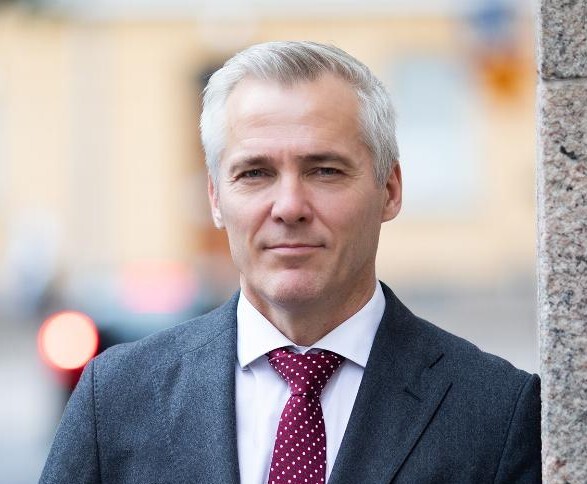
Konsta Lindi, representing the board of Nordic Youth Council
The Nordic Youth Council (UNR) serves as a formal platform for youth political organisations to influence the Nordic Council and Nordic Council of Ministers. Representing the board of Nordic Youth Council Konsta Lindi highlighted the significance of its members feeling that policymakers hear their voices.
He pointed out that the council is predominantly composed of white young people from middle or upper-class backgrounds, meaning it cannot fully represent all young people.
Lindi argued that there is an urgent need to involve more young people in society, highlighting the fact that half of young people chose not to vote in the municipal and county elections in Finland in the spring of 2025, as one example.
Lindi argued that there is an urgent need to involve more young people in society, highlighting the fact that half of young people chose not to vote in the municipal and county elections in Finland in the spring of 2025, as one example.
– We genuinely need to reimagine what participation in politics and Nordic co-operation looks like for young people. Political institutions aren’t sexy, and that's a shame.
Action is needed to increase youth involvement. Lindi, who grew up in eastern Finland, did not initially feel much a part of Nordic co-operation. However, he later realised that many of the challenges he faced could be addressed through such collaboration — for example, the Nordic exchange programme that provides work opportunities for young people across the region, or by studying abroad in another Nordic country.
To increase the involvement of young people in decision-making, Konsta Lindi urges policymakers to give greater weight to the opinions of young people.
– Young people need to feel that they are listened to and taken seriously. Growing up, we were all told to be quiet while the grown-ups were talking, and now it is time to flip the script. I see it as my duty to empower and inform other young people to use their voice.
Action is needed to increase youth involvement. Lindi, who grew up in eastern Finland, did not initially feel much a part of Nordic co-operation. However, he later realised that many of the challenges he faced could be addressed through such collaboration — for example, the Nordic exchange programme that provides work opportunities for young people across the region, or by studying abroad in another Nordic country.
To increase the involvement of young people in decision-making, Konsta Lindi urges policymakers to give greater weight to the opinions of young people.
– Young people need to feel that they are listened to and taken seriously. Growing up, we were all told to be quiet while the grown-ups were talking, and now it is time to flip the script. I see it as my duty to empower and inform other young people to use their voice.
The Nordic youth aren't merely future taxpayers, but living, breathing citizens right here today.
– Konsta Lindi, representing the board of Nordic Youth Council
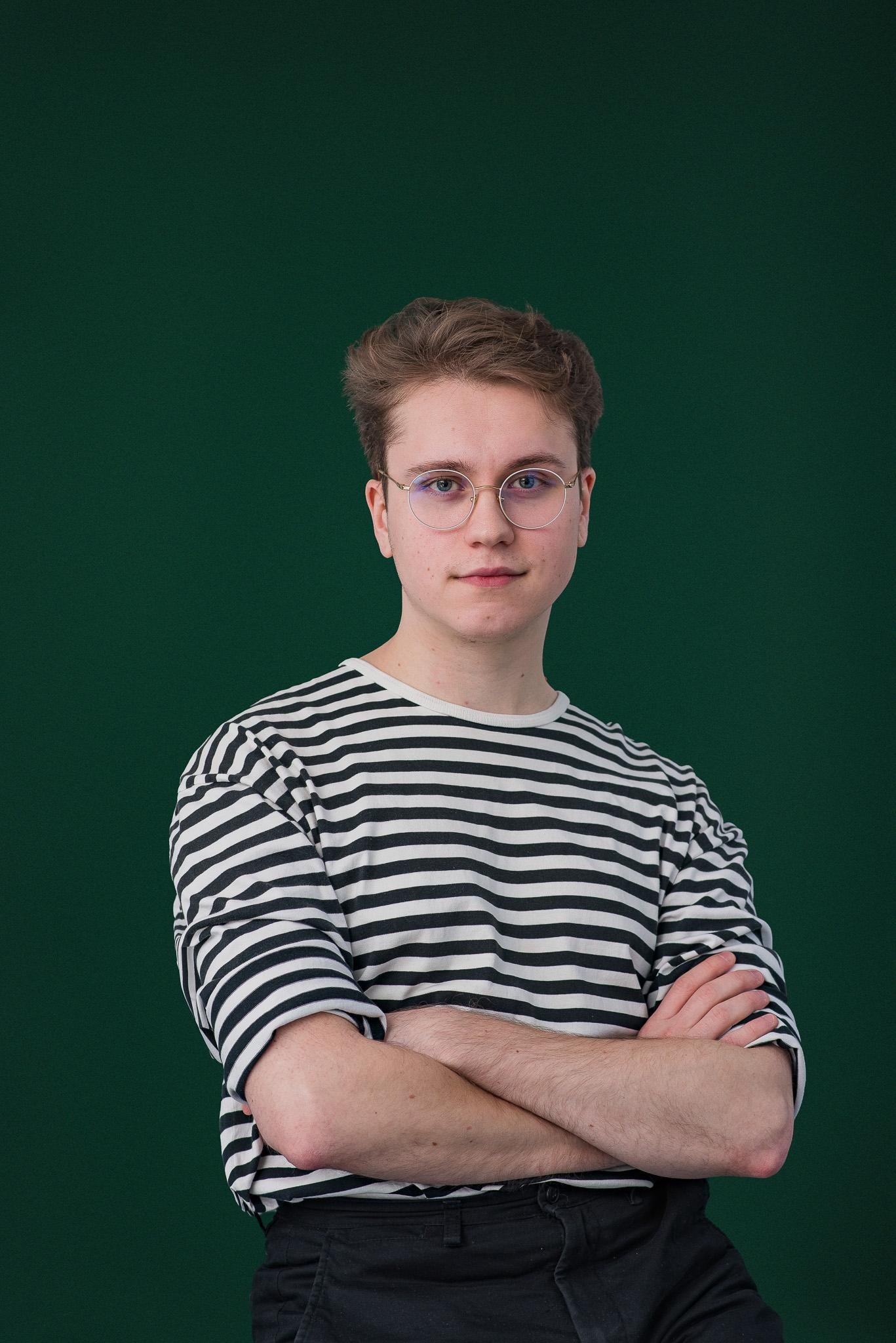
Viggo Kalman, Youth representative in The Nordic Committee for Children and Young People, NORDBUK
NORDBUK is the Nordic Council of Ministers’ advisory and coordinating body on issues concerning children and young people. It consists of 16 members: eight youth representatives and eight government members. The committee’s work is guided by the vision of making the Nordic region the best place in the world for children and young people to grow up.
One of NORDBUK's key priorities is to support and promote children's and young people’s right to be heard in all matters that affect them, as well as their active participation in democratic processes. Viggo Kalman noted that the voices of young people were not taken into account during the pandemic.
– This was not because our opinions lacked value, but mainly due to a lack of systems and readiness to include young people where it matters most. Children and young people were left out; our voices were not heard, and decisions were made for us but not with us.
One of NORDBUK's key priorities is to support and promote children's and young people’s right to be heard in all matters that affect them, as well as their active participation in democratic processes. Viggo Kalman noted that the voices of young people were not taken into account during the pandemic.
– This was not because our opinions lacked value, but mainly due to a lack of systems and readiness to include young people where it matters most. Children and young people were left out; our voices were not heard, and decisions were made for us but not with us.
NORDBUK is actively contributing to the ongoing revision of the Helsinki Agreement, which currently does not mention children and young people. The revision process presents a unique opportunity to embed children's rights in Nordic co-operation, with proposals to include youth participation as a dedicated theme and formally recognize the Nordic Youth Council.
Discussions held with youth during this conference have directly informed the report Participation is protection – embedding children’s rights in Nordic crisis governance, launched at the Democracy Festival in Arendal in August. The report highlights the need to strengthen child participation in crisis governance and calls for structural change across the Nordic region.
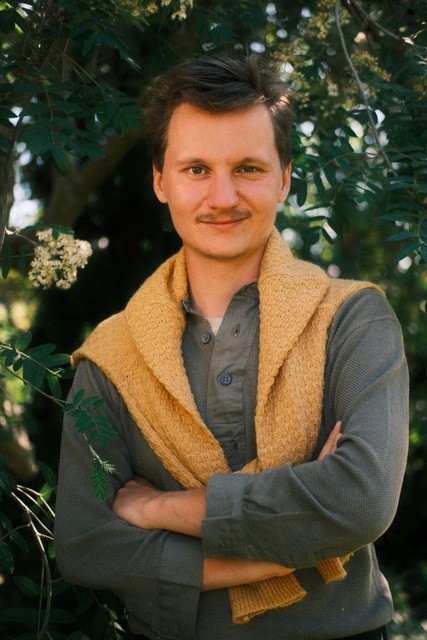
Anders Adlercreutz, Minister of Education and Nordic co-operation, Finland
Finland, together with Åland, holds the presidency of the Nordic Council of Ministers in 2025. Minister Anders Adlercreutz described the conference as significant in the ongoing effort to strengthen the involvement of young people in the Nordic region.
– This initiative forms part of a wider Nordic effort to empower children and young people, ensuring that their voices are heard and that they are involved in all decisions affecting their lives.
One of the key priorities of the Finnish presidency of the Nordic Council of Ministers is to promote the rights and participation of children and young people. Minister Adlercreutz emphasised that the Nordic countries, who take pride in being inclusive and equal societies, are not truly complete unless everyone – not only adults – is fully recognised.
– That recognition must include the right to be heard, to be seen, and to be genuinely involved. Participation is not a privilege; it is a right that must be respected regardless of age. Even though the participation of children and young people has a strong legal basis and a long history in our countries, it is only as strong as we make it.
– That recognition must include the right to be heard, to be seen, and to be genuinely involved. Participation is not a privilege; it is a right that must be respected regardless of age. Even though the participation of children and young people has a strong legal basis and a long history in our countries, it is only as strong as we make it.
Minister Adlercreutz also underlined the challenges concerning mental health, among other issues, that affect many young people. He highlighted the need for Nordic collaboration in addressing these concerns.
– Sudden shocks, like the pandemic, can reveal systemic weaknesses that we had not even realised were there. For example, the proper social role of schools became all the more evident once studies moved online.
Minister Anders Adlercreutz mentioned several projects within the Finnish authorities aimed at strengthening youth participation. He also emphasised the significance of young people's strong involvement in the project at the Nordic Welfare Centre, leading up to this conference and the forthcoming reports.
– This sends a clear message: in Nordic co-operation, we do not talk about young people without involving them. Together, we can make the Nordic region a global model for safeguarding the rights of children and young people even in times of crisis.
– This sends a clear message: in Nordic co-operation, we do not talk about young people without involving them. Together, we can make the Nordic region a global model for safeguarding the rights of children and young people even in times of crisis.
Participation is not a privilege; it is a right that must be respected regardless of age.
– Anders Adlercreutz, Minister of Education and Nordic co-operation, Finland