For the first time, people who were part of Copenhagen’s largest drug scene tell its history in their own words. A new research project at the Centre for Alcohol and Drug Research at Aarhus University combines oral histories, archival material and participatory methods to document five decades of life, survival and change at the Vesterbro drug scene.
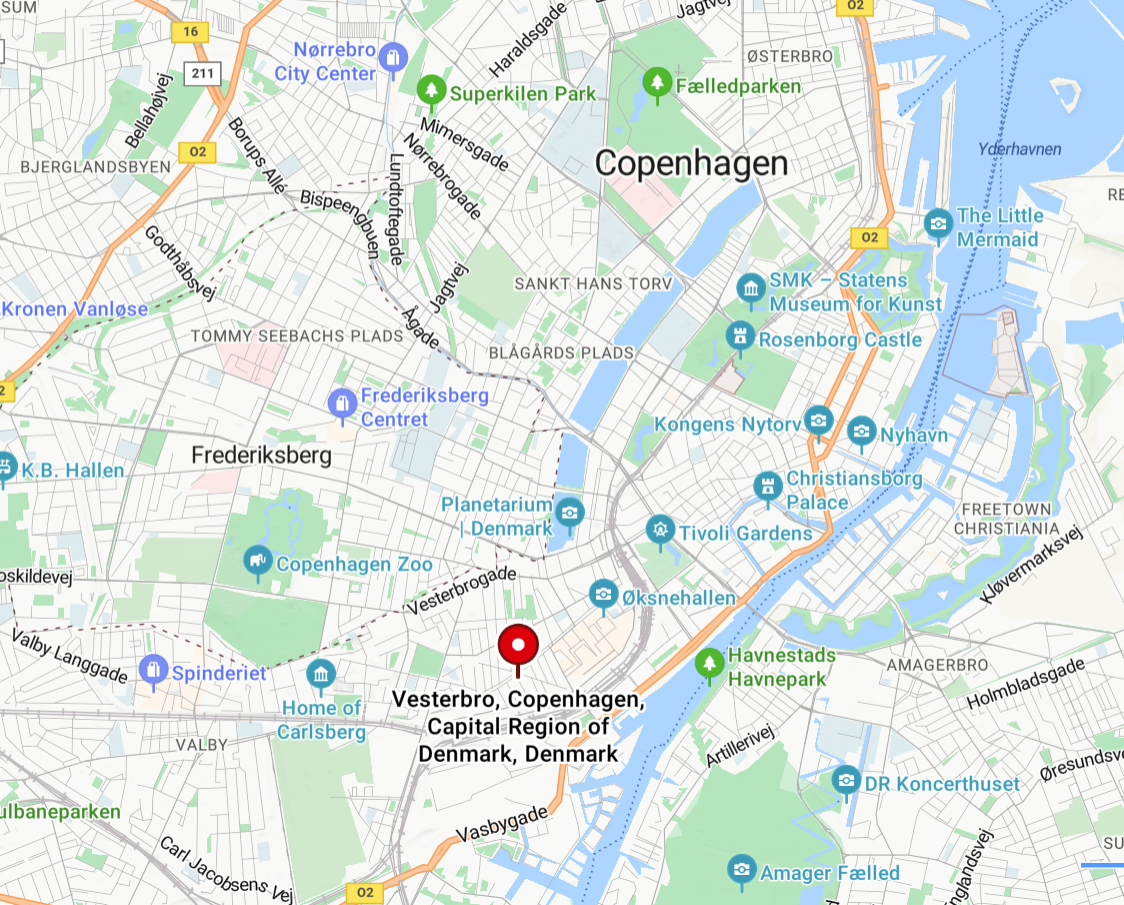
Since the 1970s, the Vesterbro neighborhood in Copenhagen has hosted the largest open drug scene in the Nordic countries. While the area has undergone extensive urban renewal, the drug scene has persisted and shaped both local life as and national debates about drugs.
Yet one perspective has largely been missing from the historical record: the voices of those who were part of the scene. This project seeks to change that. As many long-term participants grow older, there is an urgent need to document their stories before they are lost.
A history told from within
The project explores how the drug scene is remembered and narrated by those who were part of it. It examines how individual life stories intertwine with broader changes in drug policy, urban development and welfare systems.
A key feature of the project is its participatory approach. Instead of treating people as subjects of research, the project involves them as co-producers. Individuals with lived experience from the Vesterbro drug scene are employed as peer-researchers, helping collect life stories, facilitate storytelling workshops and interpret the findings. Their involvement improves access and enriches the analysis.
Combining stories and systems
The project combines several research methods to capture both personal experiences and broader, structural dimensions. Around 30 oral history interviews will trace how individual biographies intersect with changes in the drug scene over five decades.
These personal accounts are complemented by community storytelling workshops, where participants collectively reflect on their shared histories. At the same time, archival research examines treatment records, media coverage and policy documents to understand how institutions have framed and governed the scene over the decades.
By combining these materials, the project creates what the researchers describe as a “counter-archive”: a historical record that includes perspectives often absent from official sources.
From stereotypes to lived experience
Public discussions about drugs often focus on crime, addiction and social problems. This project takes a different starting point: the experiences of the people who were there. Their life histories reveal strategies of survival, identity and resilience, as well as the effects of structural forces such as policing, welfare reforms and health systems.
The project will produce three peer-reviewed articles, a Danish-language monograph and a podcast series. Workshops with participants will also ensure that findings are shared and discussed within the community itself.
Why this matters
Understanding the history of Vesterbro’s drug scene is not only about the past. It provides insight into how drug policies, urban change and social inequalities shape the everyday lives of people who use drugs.
By placing lived experience at the center, the project offers knowledge that can inform future debates and policies in Denmark and across the Nordic region. It also shows the value of participatory research in producing more inclusive and grounded accounts of complex social issues.
The article is written by
Esben Houborg, associate professor, Centre for Alcohol and Drug Research, Aarhus University
on the request of PopNAD
Photo:
User_76523/Mostphotos
Aarhus University