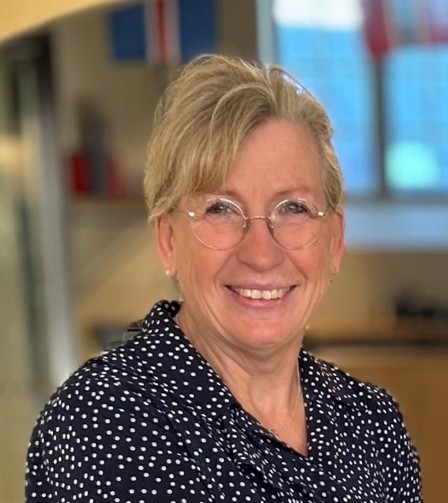
Word from the Director
The past year has been marked by significant global challenges that have affected developments throughout the Nordic region. Geopolitical instability, climate change and growing economic disparities have placed high demands on our societies’ ability to adapt and remain strong in uncertain times. In this rapidly changing world, the Nordic welfare model, which has long been a cornerstone of stability, trust and social sustainability, is facing challenges.
Despite these challenges, the Nordic region remains strong. Our shared values – equality, inclusion, social security and access to universal welfare services – contribute to our ability to act and enable us to meet current and future needs. Through cross-border co-operation and a continuous exchange of knowledge, experience and innovation, we are strengthening our ability to develop our welfare.
During the year, the Nordic Welfare Centre, together with the member countries, has provided expertise and analysis through conferences, seminars, working groups, workshops, networks and publications. The focus has been on identifying solutions that prepare our welfare systems for the future and ensure that they can continue to meet the demands of a changing society. Crisis preparedness has been one of our areas of priority.
One important accomplishment during the year was the completion of our four-year project Nordic co-operation on children’s and young people’s opportunities for participation and development after the COVID-19 pandemic. The project clearly shows that children and young people's rights and participation need to be integrated into our structures to ensure that they are heard and involved when new policies are formulated and implemented. The knowledge and tools developed within the project will now be used in the design of future contingency plans and in broader welfare work in the Nordic region.
We have also continued to strengthen our participation in public debate. During the year, we took part in all the Nordic democracy festivals – Almedalsveckan, Arendalsuka, Folkemødet, Järvaveckan and SuomiAreena. Our events on safer digital democracy, children in low-income families and migrant mothers' opportunities to enter the labour market attracted great interest and generated valuable debate. Through these efforts, we highlight key welfare issues and contribute to a broader understanding among decision-makers, researchers, civil society and the public.
Internally, we have taken important steps in developing long-term plans and strengthening our strategic governance. Together with Nordic expert networks, we have intensified our efforts to link our initiatives to the Nordic Co-operation Programme for Health and Social Affairs 2025–2030. This has led to improved internal governance, clearly defined priorities and increased transparency towards our target groups.
Another key priority has been to strengthen co-operation with other Nordic institutions to identify synergies and improve our administrative processes. During the year, our Finnish office moved to new premises, where we are now co-located with Nordic Culture Point and NIVA. The aim is to make better use of resources and strengthen our capacity to fulfil our assignments. In Sweden, a similar collaboration is ongoing between Nordregio and the Nordic Welfare Centre, which strengthens our organisational platform even further.
The work environment at the Nordic Welfare Centre remains good, as confirmed by this year's employee survey. The results show a high level of commitment, a positive work culture and good conditions for employees to contribute to the organisation's goals. This is an essential foundation for our continued development.
February 2026