
Digitaliseringen håller på att bli ett utmärkande drag för individ- och familjeomsorgen (IFO) i de nordiska länderna. Digitala kommunikationsplattformar, ärendehanteringssystem, automationsverktyg och datainfrastrukturer blir en alltmer integrerad del av hur sociala tjänster organiseras, levereras och styrs.
Det framkommer i en nordisk forskningsöversikt om hälso- och välfärdsteknik (HWT) som forskningsnätverket Nordic Health and Welfare Technology Research Network tagit fram i samarbete med Nordens välfärdscenter. Rapporten är skriven av forskarna Christine Gustafsson vid Sophiahemmet Högskola och Sylvia Olsson vid Mälardalens universitet, som båda är aktiva medlemmar i nätverket.
Forskarna överraskades av hur snabbt digitaliseringen har utvecklats inom individ- och familjeomsorgen. Det är också tydligt att digitaliseringen inom IFO domineras av administrativa och styrningsrelaterade system – dokumentation, ärendehantering, interoperabilitet – snarare än av verktyg som direkt riktar sig till barn, unga och familjer.
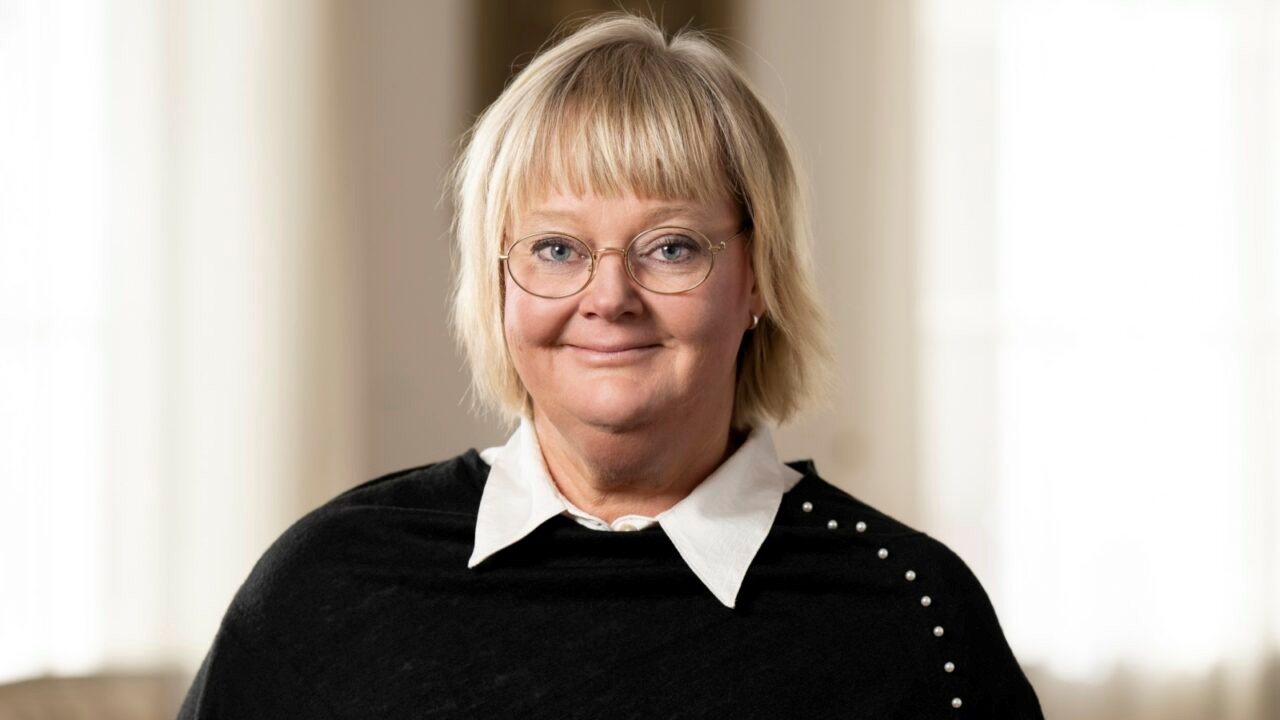
– Digitalisering framställs ofta som något som ska förbättra kontakten med brukarna, men vår kartläggning visar att fokus i praktiken ligger på det som händer ’bakom kulisserna’, det vill säga system för professionella och organisationer, säger Christine Gustafsson.
Digitala lösningar kan öka tillgänglighet och flexibilitet för många, men riskerar samtidigt att reproducera ojämlikhet kopplad till digital kompetens, tillgång till teknik och kommuners olika resurser. ’Digital-först’-strategier riskerar att slå hårdast mot redan utsatta grupper om man inte samtidigt säkerställer alternativa vägar in i tjänsterna.
Digitaliseringen inom IFO domineras av administrativa och styrningsrelaterade system snarare än av verktyg som riktar sig till barn, unga och familjer.
Inte bara en teknikfråga
Digitalisering inom IFO bör enligt rapportförfattarna förstås som en styrnings- och organisationsfråga, inte primärt en teknisk fråga. Det handlar lika mycket om ledarskap, kompetensutveckling och organisatoriskt lärande som om vilka system man väljer att implementera.
– En viktig slutsats från kartläggningen är att digitalisering inte bara handlar om teknik. Den förändrar också arbetssätt, relationer och professionella bedömningar, vilket gör det viktigt att utvecklingen följs av forskning och kontinuerlig utvärdering, säger Sylvia Olsson.
Digitala verktyg påverkar sociala tjänster på flera nivåer samtidigt
Användarnivå: Digitala kommunikationsverktyg, självbetjäningsplattformar och fjärrstödstjänster förändrar hur barn, unga och familjer får tillgång till tjänster.
Professionell nivå: Digitala ärendehanteringssystem och dokumentationsverktyg omformar professionellt arbete, beslutsprocesser och dokumentationspraxis.
Organisationsnivå: Digitala infrastrukturer och administrativa system strukturerar om arbetsflöden, samordning och ansvarstagande inom socialtjänsten.
Styrningsnivå: Policydrivna digitala reformer betonar interoperabilitet, datadelning och integrerade informationssystem som mekanismer för att förbättra välfärdssystemets effektivitet och samordning.
Bristande kunskap om påverkan på brukarna

I kartläggningen identifierades ett flertal kunskapsluckor, inte minst om hur digitaliseringen påverkar brukarna. Ska man kunna säkerställa att digitaliseringen stärker snarare än underminerar socialtjänstens grundvärden behövs mer forskning med brukarnas perspektiv i centrum, menar Christine Gustafsson och hon får medhåll:
– Vi behöver veta hur digitala lösningar faktiskt påverkar kvaliteten i mötet mellan socialarbetare och klienter på längre sikt. Vi behöver mer forskning om vilka digitala arbetssätt som fungerar, för vilka grupper och under vilka förutsättningar, säger Sylvia Olsson.
Merparten av dagens kunskap handlar om professionella och organisatoriska processer. Det är brist på forskning om hur digitaliseringen faktiskt upplevs och påverkar barn, unga och familjer själva. Deras delaktighet, tillgänglighet, tillit och maktposition i mötet med digitaliserade tjänster. Nästan all forskning är också av tvärsnittskaraktär och kvalitativ, vilket gör att vi vet mycket om implementeringsprocesser men lite om faktiska, varaktiga effekter.
– Det saknas i stort sett helt longitudinell forskning som följer digitaliseringens konsekvenser över tid – för tjänstekvalitet, jämlikhet och organisationsutveckling, säger Christine Gustafsson.
Författarna vill också lyfta fram värdet av ökat nordiskt forskningssamarbete. Den forskning som översikten omfattar är koncentrerad till Danmark, Finland, Norge och Sverige och sker till stor del inom respektive lands egna system. Ett starkare jämförande eller samlat, nordiskt perspektiv skulle både stärka evidensbasen och göra det lättare att lära av varandras erfarenheter av digitalisering inom IFO, menar rapportförfattarna.
Bakgrund
Rapporten Scoping review: Digital solutions in individual and family services in the Nordics är den första av två rapporter på samma tema. Den första innehåller en översikt av nordisk forskning och grå litteratur om digitalisering och HWT inom sociala tjänster, med särskilt fokus på IFO. Syftet är att kartlägga befintlig kunskap, identifiera mönster och kunskapsluckor samt ge en översikt över hur digital teknologi för närvarande formar praxis, organisering och styrning inom socialtjänster i Norden. Den andra rapporten publiceras efter årsskiftet och innehåller goda exempel från nordiska länder på hur kommuner i glesbygd, arbetar med digitala tjänster inom välfärdssektorn.
Båda rapporterna produceras inom ramen för projektet Socialtjänst i glesbygd – kommunal samverkan med digitalt stöd, som är finansierat av Nordiska ministerrådet och bedrivs 2025–2026.
Toppbild: Mostphotos
Mer innehåll

Nordiskt forskarnätverk
Nätverket Nordic Research Network: Health and Welfare Technology (HWT), har som mål att öka kunskapen kring forskning, högre utbildning och praktiska erfarenheter inom hälsa och välfärdsteknologi.
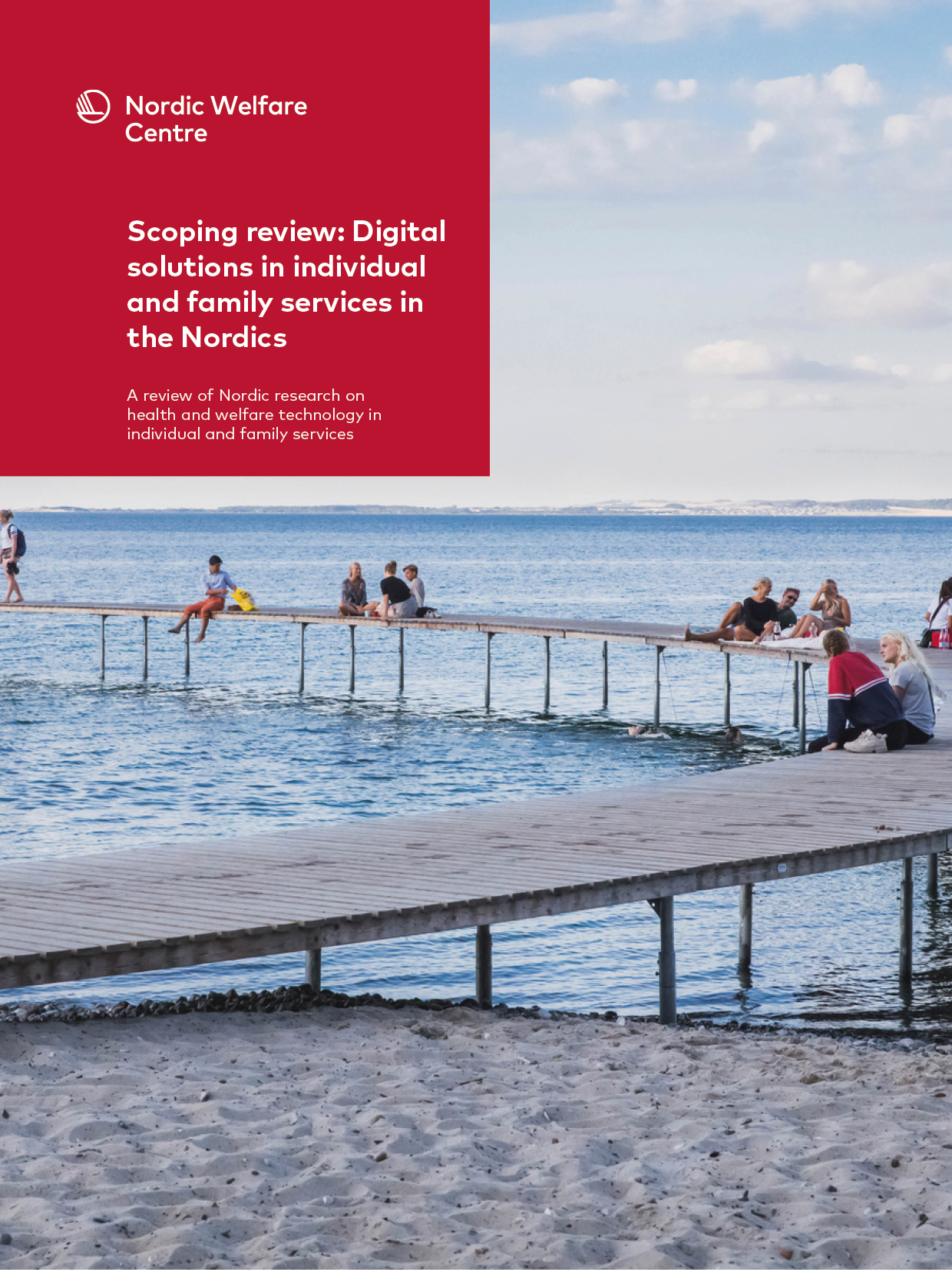
Scoping review: Digital solutions in individual and family services in the Nordics
I rapporten presenteras en översikt av nordisk forskning och grå litteratur om digitalisering och hälso- och välfärdsteknologi inom sociala tjänster, med särskilt fokus på individ- och familjeomsorg.

Socialtjänst i glesbygd – kommunal samverkan med digitalt stöd
Nordens välfärdscenter bedriver ett projekt som syftar till att kartlägga och sprida kunskap om samarbeten mellan kommuner inom socialtjänsten med fokus på individ- och familjeomsorg i glesbygd med stöd av digitala tjänster.