Disability organisations and organisations for chronic diseases in the Nordic and Baltic countries can apply for funding from the Funding Scheme for cooperation and networking activities. The next application period will be open from 24 September to 29 October 2026.
Around SEK 1.5 million is distributed every autumn to promote cooperation in the Nordic and Baltic region. In 2026, more than 30 organisations received funding, and between three and eleven organisations participate in each funded activity.
Deafblindness from a Nordic-Baltic perspective
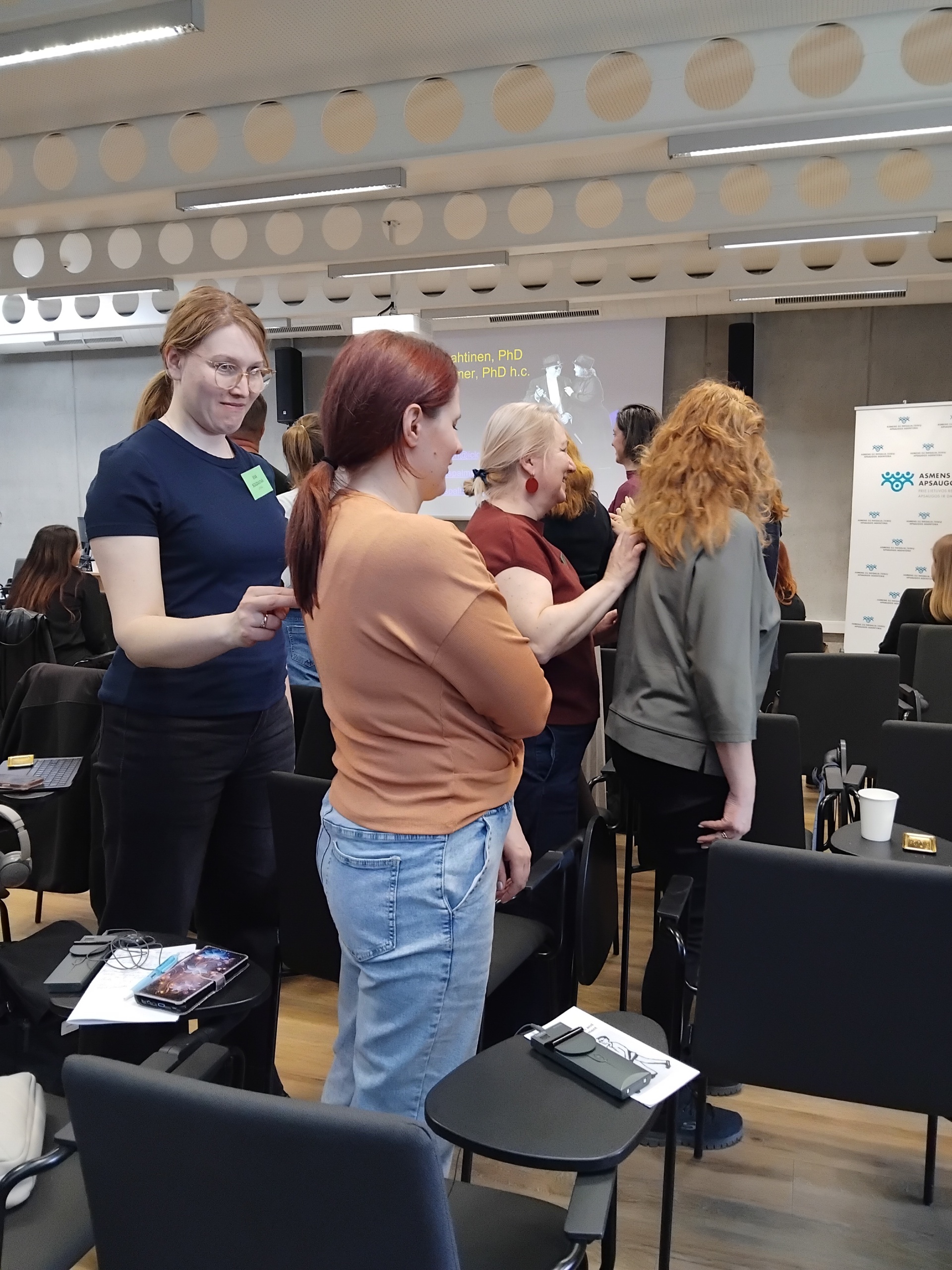
In April, the Nordic-Baltic Forum for persons with deafblindness was held in Kaunas, Lithuania. The Forum brought together community members, policymakers, academics, interpreters, and international partners from the Nordic and Baltic countries.
– The support from the Funding Scheme made it possible to start this way of working together, says Risto Hoikkanen, executive director at the Finnish national organisation for deafblindness, Suomen Kuurosokeat ry.
Over the past four years, the Forum has grown from a meeting between Finnish, Swedish and Estonian partners to the 2026 event, which spanned several days and attracted more than 100 participants.
This year’s forum was characterised by its multilingual, multisensory inclusivity. Participants introduced themselves in spoken and signed languages, including tactile communication, while interpreters ensure that the content reached everyone.
Goal: Creating Nordic added value
The funding scheme is part of the Nordic Programme for Cooperation on Disability 2023–2027. The activities must contribute to Nordic benefit and added value by providing participants with broader Nordic networks of contacts and by promoting organisational and knowledge development.
Finding the right partners is important. Funding can be obtained for networking activities with participants from at least three of the Nordic countries. Organisations in the Baltic countries can also apply for funding with a minimum of two participating Nordic organisations.
Inspiration from the Baltic countries
When planning and arranging Nordic-Baltic co-operation, the advice from Suomen Kuurosokeat ry is to listen to what the Baltic partners have to offer.
– It is absolutely vital to proceed on the Baltic countries’ terms; they have a different background and significant needs. Compared with the history of Finland and, for example, Sweden, the Baltic states do not have that kind of background from the 1970s or 1980s; they are leaping straight into a bright future, able to apply the European Convention on the Rights of Persons with Disabilities, make use of EU funding programmes and modern legislation without being hampered by old structures, says Risto Hoikkanen.
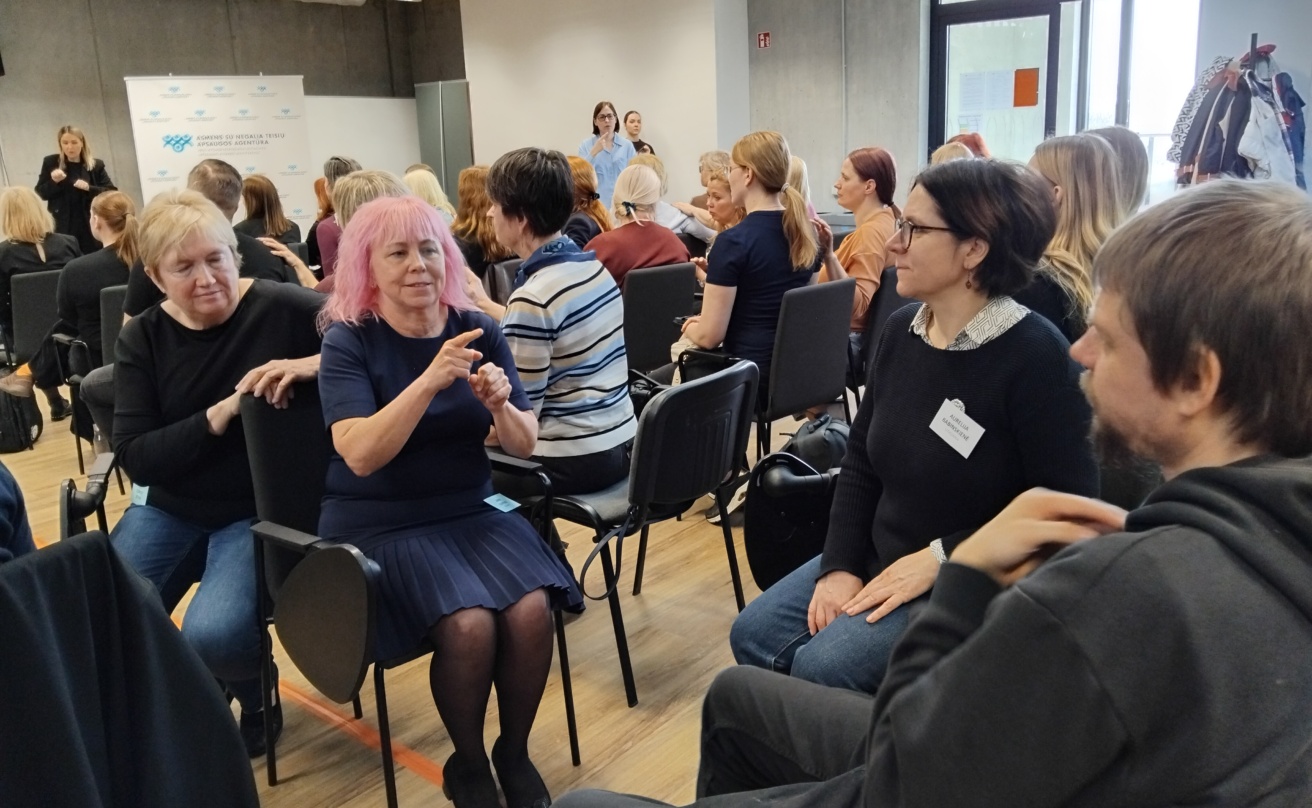
Top picture: Practical training at the Nordic-Baltic Forum for persons with deafblindness. Interpreter Malle Kariste, Tüflo Pedagog Zuljeta Hinto and Chairman of the Estonian Deafblind Support Association Taivo Poolmaa. Talking with them is from the Lithuanian Agency for the Protection of the Rights of Persons with Disabilities (ANTA) Aurelija Babinskienė. Photo by Anne Isokuortti/Suomen Kuurosokeat ry.