The UN Convention on the Rights of Persons with Disabilities, CRPD, protects the rights and dignity of persons with disabilities. How are national strategies, action plans, and policy instruments on disability policy used to implement the CRPD in practice?
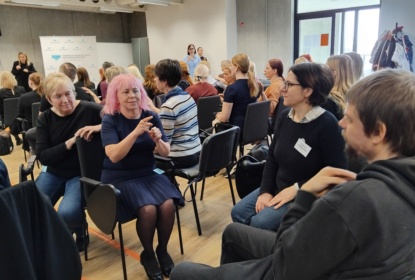
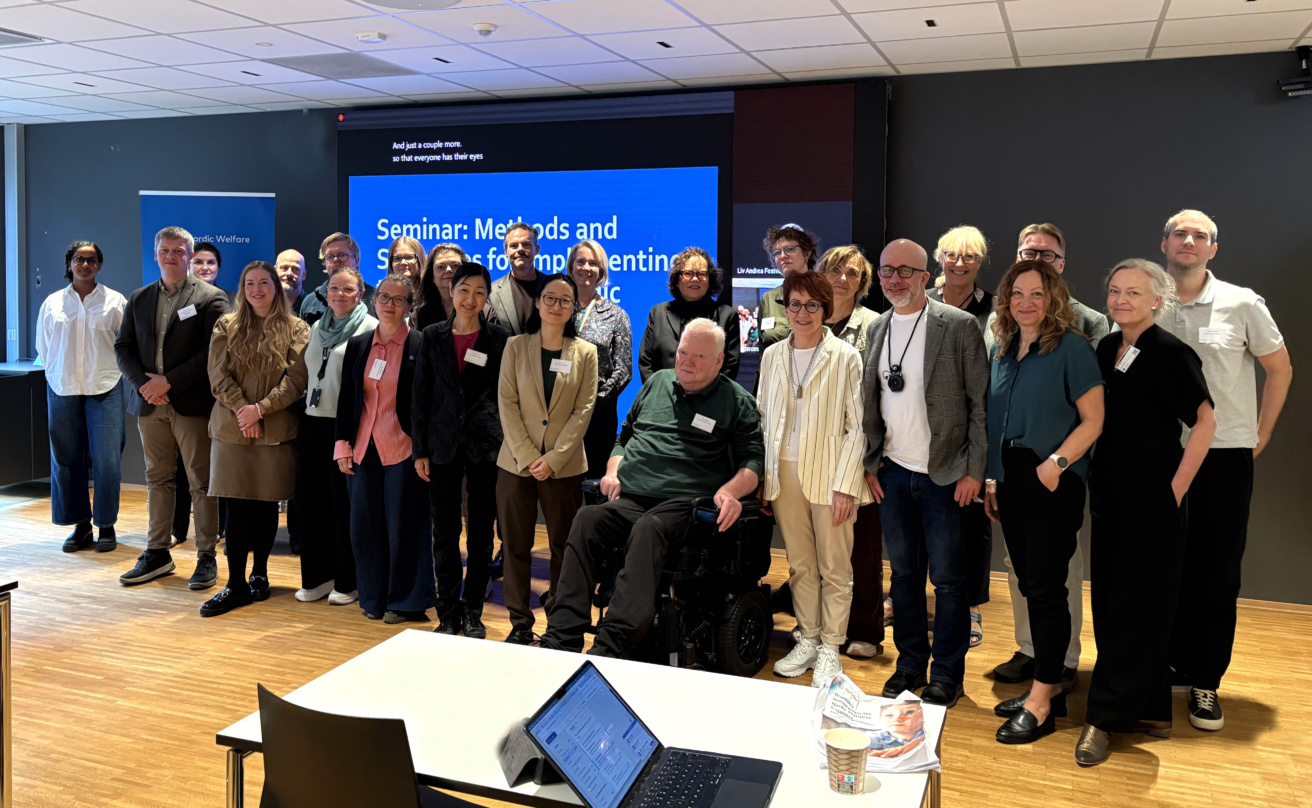
Representatives of Nordic authorities, researchers and representatives from organisations for persons with disabilities gathered in Oslo in September to discuss methods and strategies for implementing the CRPD in the Nordic countries.
Lack of knowledge hinders implementation
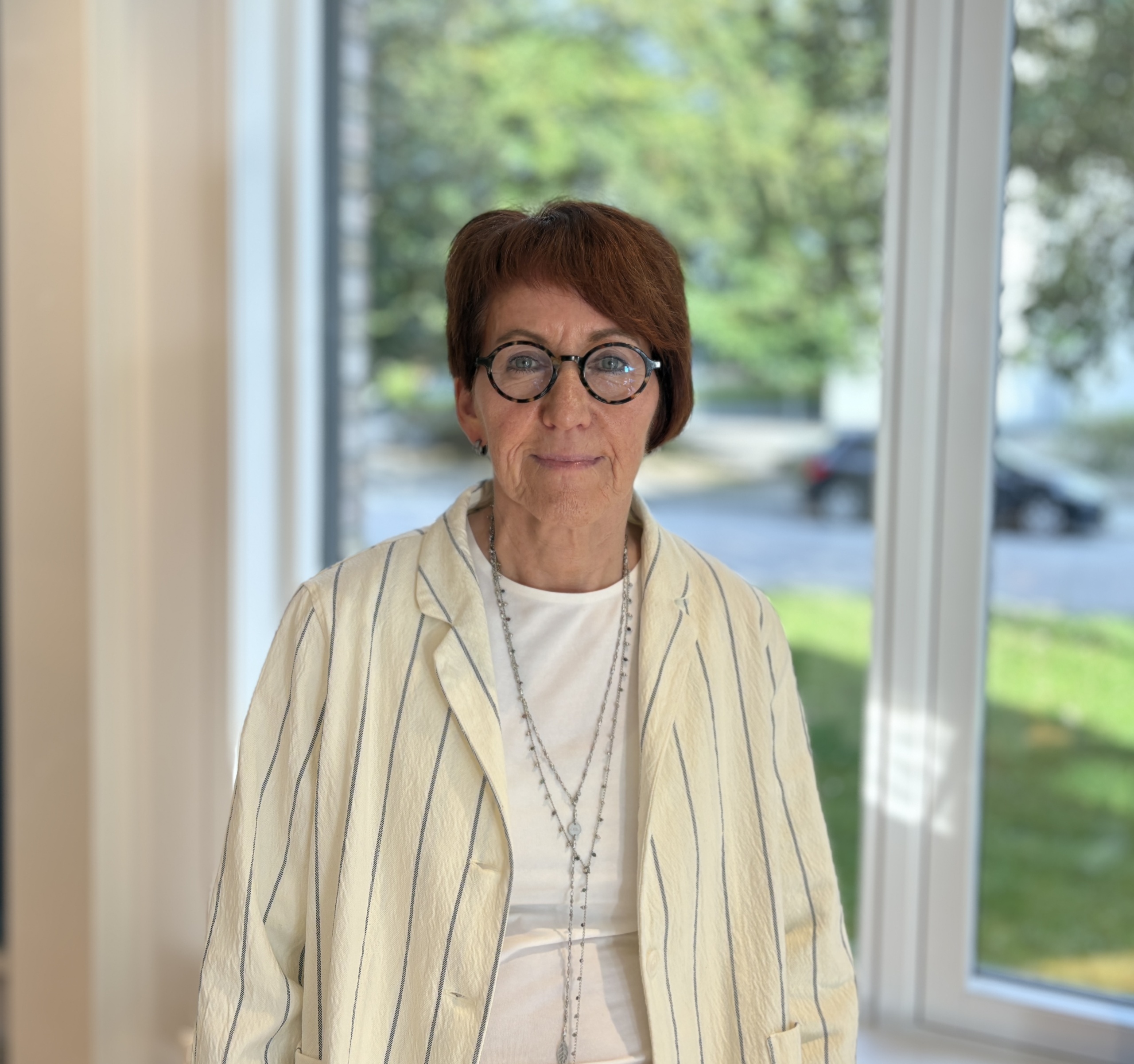
The Nordic countries are generally viewed as frontrunners when it comes to implementing the CRPD. However, much remains to be done in the Nordic region. Keynote speaker Rannveig Traustadóttir, Professor Emerita and Director of the Centre for Disability Studies at the University of Iceland, gave an overview of the CRPD and the Nordic welfare state model. She sees lack of knowledge as a substantial hindrance for implementing the convention.
– People do not have good knowledge about the CRPD and its requirements. It is a complicated human rights treaty which people need to gain knowledge about, otherwise it will not be implemented.
Increased knowledge is needed on all levels and areas of governance – currently implementing the CRPD is mostly seen as the responsibility of the social welfare system, but it is required to be implemented in all other areas, for example in the healthcare and education systems and the courts.
Most research on the CRPD in the Nordic countries has focused on Article 19: the right to live independently and be included in the community.
Rannveig Traustadóttir underlines the need for more research on the CRPD, and for better dissemination of the results.
– Research is being done but is not well known among people within services, municipalities, and governments. This research shows there is a gap between what the law and policies state and what is being implemented on the ground.
Research focus on the CRPD in the welfare system
A unique trait in the Nordic research about the CRPD is that it rarely focuses solely on whether these rights exist in the law and the policies.
– Instead, research focuses on asking if the Nordic welfare model actually delivers the autonomy, participation and citizenship envisioned in the CRPD. We are very occupied with our welfare system and how it works, as we should be, says Rannveig Traustadóttir.
This has made Article 19 (independent living), Article 27 (employment), and Article 24 (inclusive education) especially prominent, because they test whether rights are realised in everyday life rather than merely recognised in legislation.
Having a say in decisions
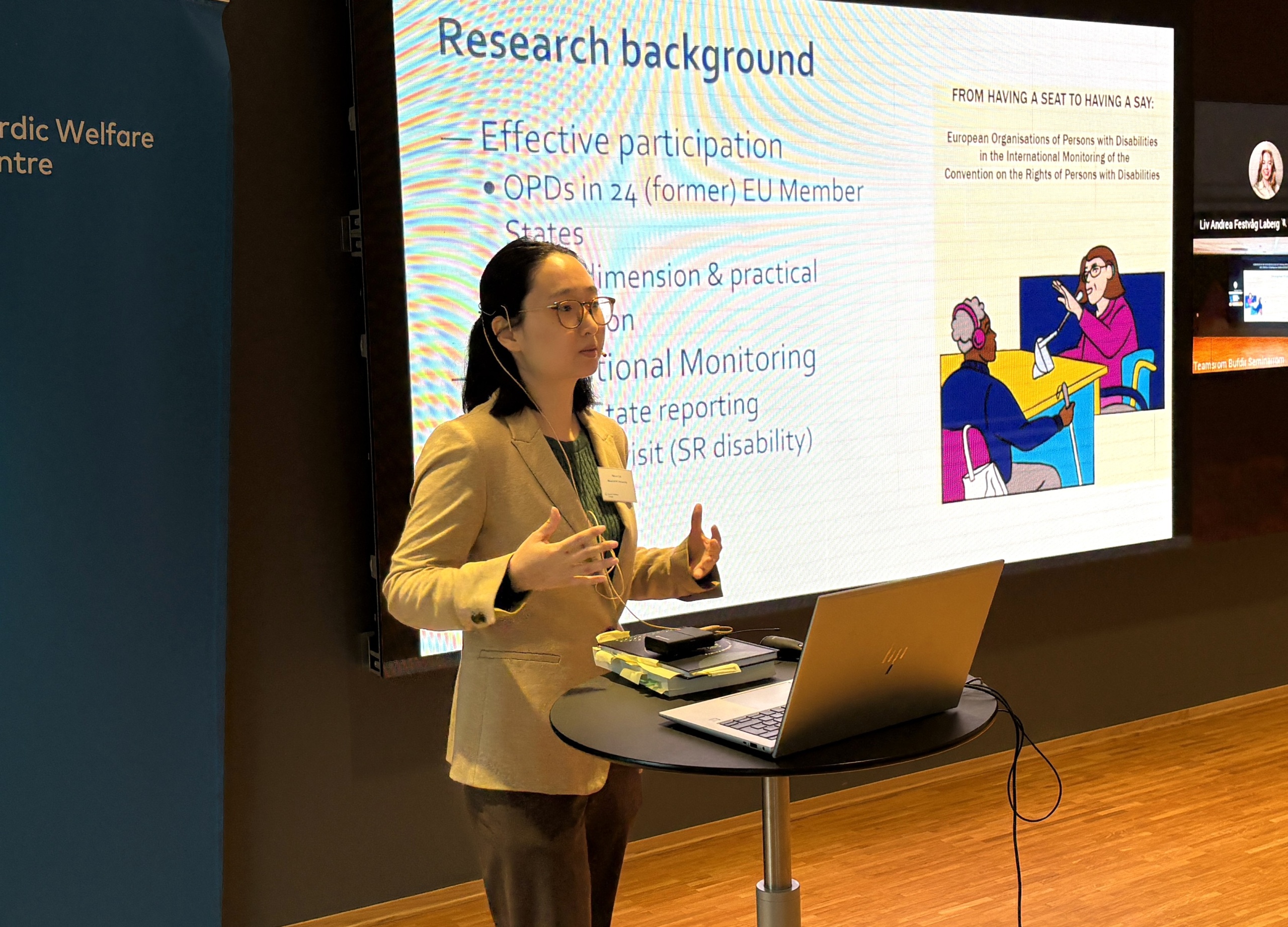
Keynote speaker Hanxu Liu from Maastricht University presented her research on active involvement and the CRPD. Headlined “From having a seat to having a say”, her research examines how European organisations for persons with disabilities have participated in the UN human rights mechanisms.
– When you look into the CRPD, it provides this very well-thought mechanism to make sure that organisations of persons with disabilities will have an impact in the whole implementation and monitoring, says Hanxu Liu.
International observers often view the Nordic countries positively due to their strong disability movements, effective collaboration between civil society and human rights institutions, and well-developed democratic structures. Using Denmark as an example, Hanxu Liu describes a well-established consultation system involving the Danish Disability Council (Det Centrale Handicapråd), the Danish Institute for Human Rights and disability organisations.
At the same time, several challenges remain. These include unequal representation within the disability movement, particularly for women and children with disabilities, as well as organisations representing people in remote or autonomous regions – in Denmark’s case Greenland and the Faroe Islands. Resource constraints and budget cuts also limit participation.
Hanxu Liu emphasises that meaningful participation is not achieved simply by fulfilling procedural requirements such as providing accessibility accommodations. Rather, participation should lead to genuine power-sharing and influence.
Promising practices shared
The participants presented national strategies, action plans, and methods for implementing the CRPD in the Nordic countries. Common challenges and barriers but also promising practices were discussed in several group discussions.
Among the challenges, the group discussions brought up funding cuts to disability organisations, lack of comprehensive, disaggregated data that prevents effective progress tracking, and that shifts in political administrations cause policy discontinuity, leaving new governments uncommitted to strategies enacted by their predecessors.
The groups suggest that the Nordic cooperation should prioritise comparative empirical research and shared data collections. They also suggest cross-border awareness campaigns, with the aim of building political visibility and keeping disability priorities on the legislative agenda.
The seminar is part of a Nordic project aimed at improving knowledge, methods, and coordination for monitoring the implementation of the CRPD in the Nordic countries.
Top picture: Partcipants at the seminar in Oslo